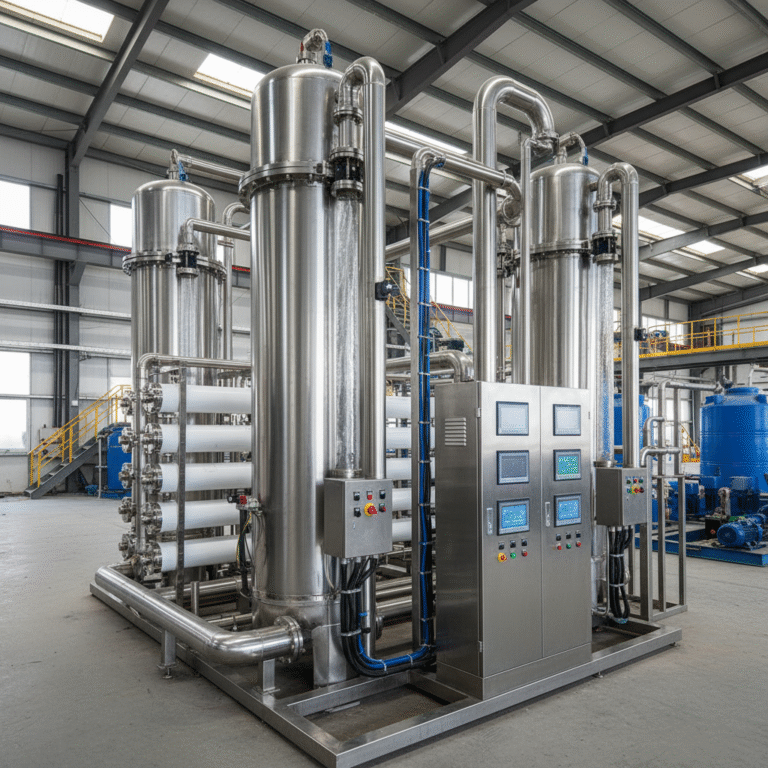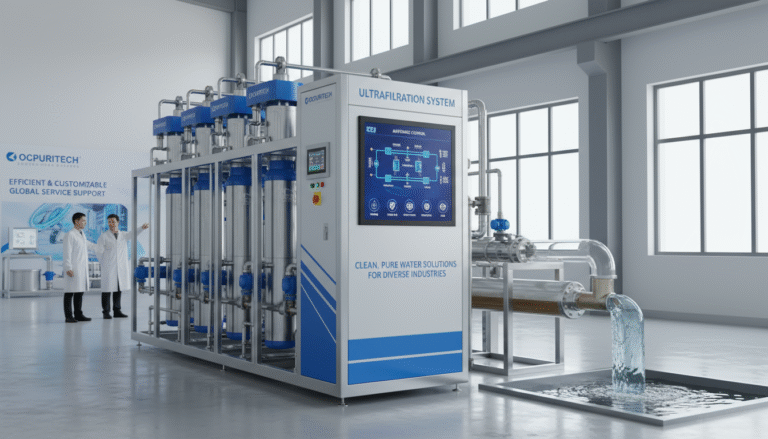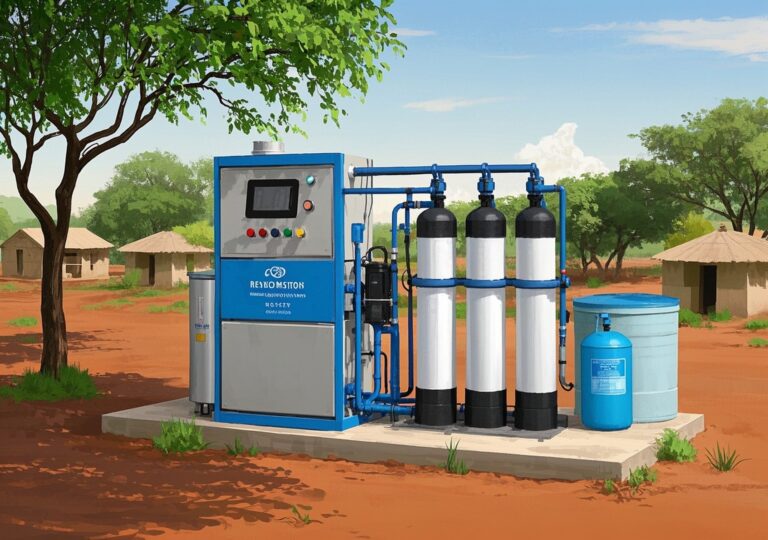
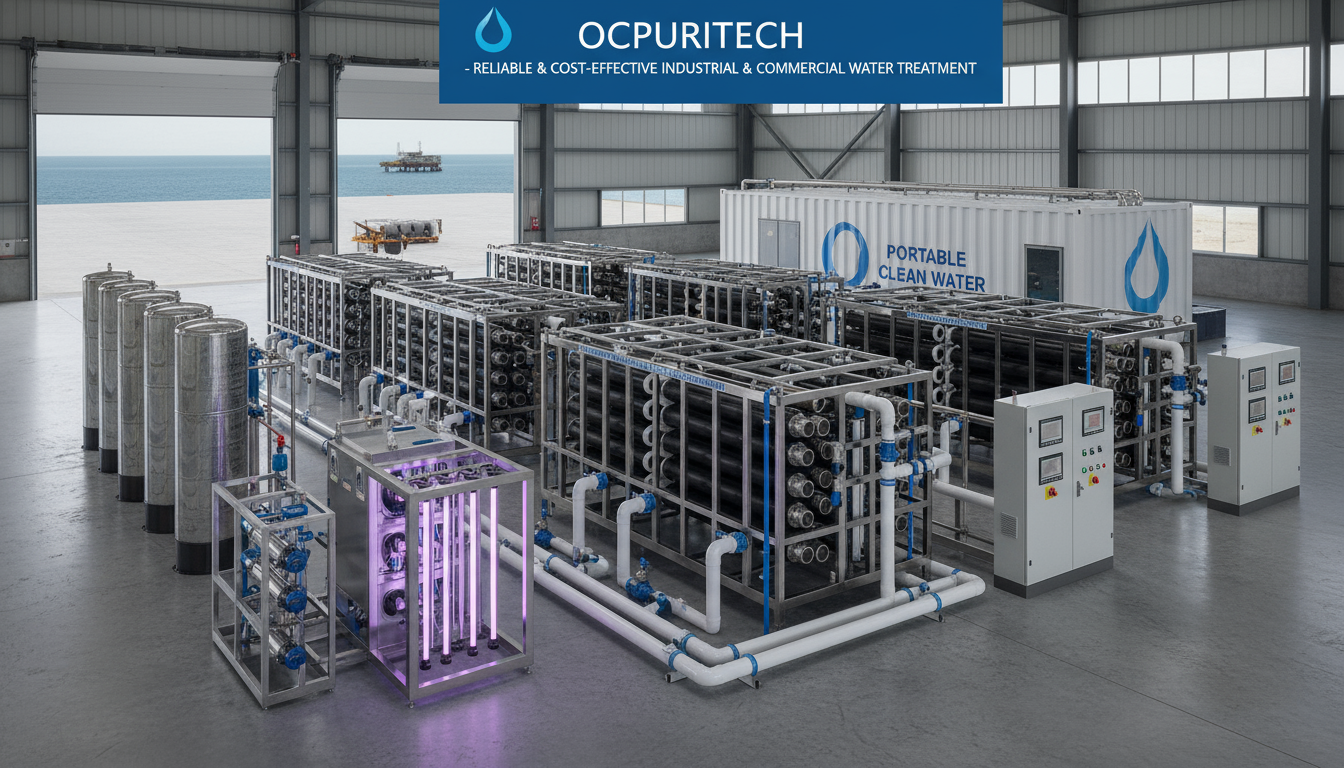
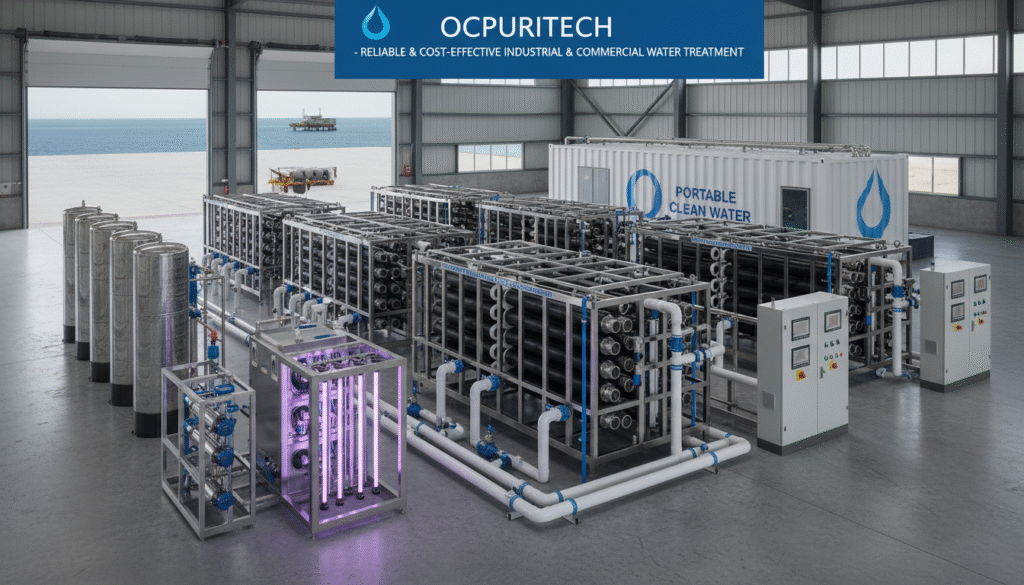
Maintaining a reverse osmosis water system is crucial for sustaining optimal performance and ensuring the delivery of high-quality purified water in industrial and commercial settings. These systems play a pivotal role in modern water treatment plants, effectively removing contaminants and providing safe water for diverse applications. This article delves into the core technologies behind industrial-scale reverse osmosis systems, breaking down key equipment modules, their functionality, and maintenance essentials to keep these water treatment solutions running smoothly.
1. Reverse Osmosis Membrane Systems: Core Technology and Capacity Variations

At the heart of any reverse osmosis water system lies the RO membrane array, responsible for filtering out dissolved solids, salts, and harmful impurities. These thin-film composite membranes operate under high pressure to separate contaminants, delivering purified water with exceptional consistency.
Industrial RO systems from companies like Ocpuritech offer product lines tailored for different capacity demands, ranging from small-scale units with flow rates of a few cubic meters per hour to extensive plants capable of processing thousands of cubic meters daily. For example:
- Small-to-Medium Units: Ideal for commercial water treatment and remote applications with capacities up to 50 m³/day.
- Large-Scale Facilities: Designed for municipalities, seawater desalination, or industrial processes, these plants exceed 1000 m³/day capability.
RO membrane systems not only excel in desalination but also enable ultrapure water production required in medical, pharmaceutical, and semiconductor manufacturing sectors. The modular nature allows scalability and flexible integration with pre-treatment and post-treatment stages.
2. Filtration and Softening Systems: Enhancing System Longevity

Pre-treatment is essential for protecting RO membranes and maintaining system efficiency. It typically includes multi-media filtration, carbon filters, and softening units that reduce suspended solids, chlorine, and hardness minerals such as calcium and magnesium.
Softening is particularly important in addressing hard water, which can cause scale build-up on membranes, leading to decreased permeate flow and increased energy consumption. Ocpuritech’s pretreatment modules utilize sand filters for particulate removal and advanced softener tanks to extend RO membrane lifespan.
Commercial and industrial whole house water treatment systems often incorporate these pretreatment steps to ensure that feedwater quality stays within operational parameters, thereby reducing downtime and maintenance costs.
3. Containerized Water Treatment Systems: Flexibility and Rapid Deployment

Modular containerized water treatment systems represent a breakthrough in deploying reverse osmosis technology rapidly and efficiently. These units are preassembled and shipped in standardized containers that require minimal site preparation.
According to Fluence Corporation (2024), containerized water treatment plants excel in flexibility, scalability, and resilience, allowing easy deployment in remote or decentralized locations. This makes them invaluable for disaster relief, rural communities, and industrial sites where traditional infrastructure is limited.
For instance, Ocpuritech’s containerized RO systems can serve small towns with capacities from 10 m³/day up to hundreds of cubic meters, integrating pre-treatment, RO, and post-treatment modules in compact form factors.
4. Advanced Disinfection and Cleaning: UV Sterilization and Maintenance Routines
Beyond filtration and membranes, the inclusion of ultraviolet (UV) disinfection units within reverse osmosis water systems adds a critical barrier against microbial contamination. UV water treatment systems are highly effective in deactivating bacteria, viruses, and protozoa without adding chemicals.
UV sterilizers combined with RO modules ensure comprehensive water purification, particularly significant in drinking water applications and critical industries such as healthcare and food processing.
Regular cleaning protocols are vital. Membrane cleaning procedures—including acid and alkaline washes—address scaling and biofouling, maintaining permeate quality and system throughput. Preventive maintenance schedules featuring prefilter replacement, pressure monitoring, and UV lamp checks optimize system longevity.
5. Experienced Manufacturing and Brand Assurance
With over 14 years in the water purification industry, Ocpuritech stands out for its professional expertise and commitment to quality. Operating two standardized factories in Guangzhou and Jiangmen with over 10,000 square meters of production capacity, the company delivers high-quality and cost-effective water treatment solutions worldwide.
Ocpuritech’s comprehensive portfolio spans industrial water purification systems—including remote control and brackish water RO units, seawater desalination, ultrafiltration, nanofiltration, and ultrapure water systems—and commercial and household equipment. Their extensive experience helps customers develop sustainable businesses in potable water production, agriculture, healthcare, and beyond.
The brand’s core value is to enable everyone globally to have access to clean, pure water through advanced reverse osmosis technology while protecting the environment, as expressed by founder Mrs. Carrie Chan.
6. Diverse Applications: From Sea Water Desalination to Space Missions
Industrial reverse osmosis systems are indispensable in various fields. Notably, seawater desalination plants benefit from RO membranes that convert saline water into fresh water suitable for municipal supply or industrial use.
Portable and containerized RO units offer potable water treatment solutions in disaster zones and remote locations lacking infrastructure. Moreover, advanced purification systems serve special environments such as space missions where water recycling and ultrapure water supply are critical.
In agriculture, RO-based irrigation water treatment improves crop yield by reducing salinity. Hospitals and cosmetics factories require ultrapure water achieved through integrated RO-ultrafiltration-EDI setups for sensitive processes. This versatility underlines the technological importance and broad market demand for tailored reverse osmosis water systems.
Conclusion: Best Practices for Maintaining Your Reverse Osmosis Water System
To maximize your reverse osmosis water system‘s reliability and performance, prioritize routine preventive maintenance, including:
- Regular inspection and replacement of prefilters (sand, carbon, softeners).
- Scheduled membrane cleaning to prevent fouling and scaling.
- Monitoring system pressures, flow rates, and water quality.
- Periodic verification of UV disinfection unit performance and lamp replacement.
- Utilizing modular containerized designs for ease of maintenance and upgrading as business scales.
In my experience working with multiple commercial water treatment projects, adherence to these steps reduces downtime by over 30% and extends membrane life by 20-40%, delivering considerable operational savings. Integrating trusted equipment from established manufacturers like Ocpuritech guarantees dependable product quality and professional support.
With the growing global demand for clean water, a well-maintained reverse osmosis water system is vital for sustainable water treatment practices across industrial, commercial, and municipal markets.
FAQ
Q1: How often should I replace the RO membranes in my water treatment system?
Typically, RO membranes should be replaced every 2 to 3 years depending on feed water quality and maintenance routines. Regular cleaning can extend their functional lifespan.
Q2: What pre-treatment steps are necessary before the RO process?
Pre-treatment usually includes filtration to remove particulates, carbon filters to reduce chlorine, and water softening to prevent hardness scaling on membranes.
Q3: Can containerized RO systems be used in emergency relief situations?
Yes, containerized systems are designed for rapid deployment and require minimal site setup, making them ideal for disaster response and remote locations.
Q4: How does UV disinfection complement reverse osmosis?
UV sterilization inactivates microbes that might pass through or contaminate treated water after RO, ensuring microbiological safety without chemicals.
Q5: What industries benefit most from industrial RO water systems?
Industries such as municipal water supply, pharmaceuticals, food and beverage processing, agriculture, and seawater desalination rely heavily on RO technology.
Q6: Are there environmental benefits to using reverse osmosis systems?
RO systems reduce the need for chemical treatment and enable water reuse, contributing to sustainable water management and environmental protection.
Q7: What maintenance challenges are typical for large-scale RO plants?
Common challenges include membrane fouling, scaling, and system wear; these require scheduled cleaning, monitoring, and replacement of consumables.
Q8: How scalable are modular containerized water treatment solutions?
They are highly scalable; multiple units can be combined or upgraded to meet increasing water demand without major infrastructure changes.
Q9: What controls the energy consumption of an RO system?
Energy use depends on feed water salinity, system pressure, recovery rate, and membrane efficiency; energy-efficient pumps and recovery devices help reduce costs.
Q10: Can reverse osmosis remove all types of contaminants?
RO membranes effectively remove dissolved solids, salts, and many organic compounds but may be combined with other treatments for specific contaminants like pesticides or volatile organics.