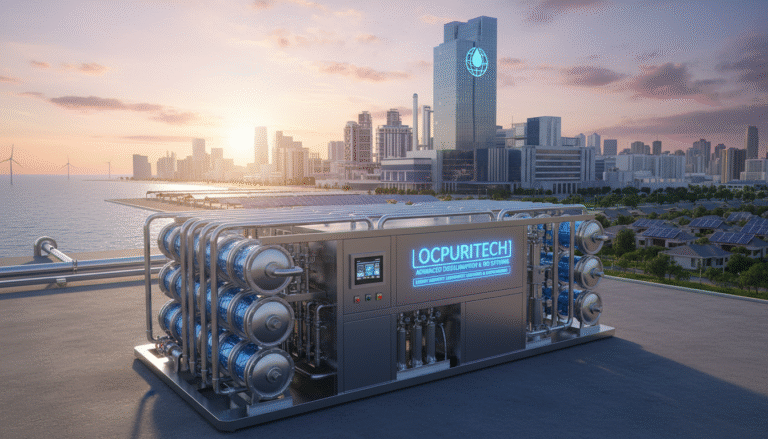
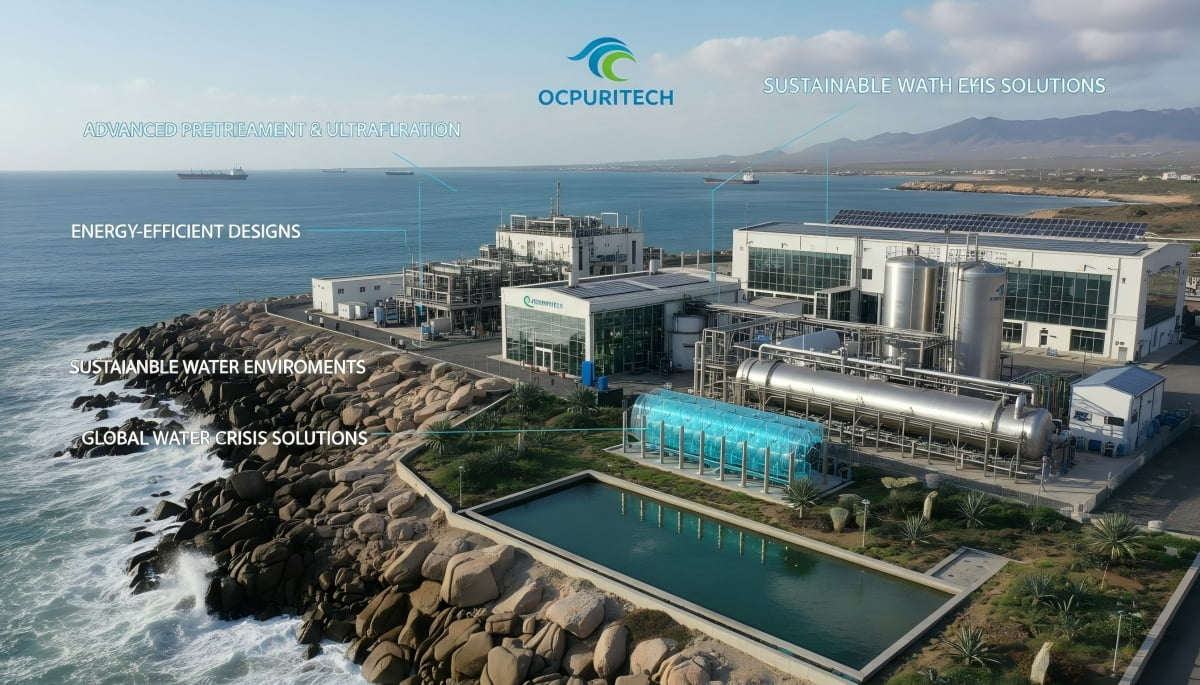
A modern water treatment plant integrates advanced pretreatment, membrane separation systems such as reverse osmosis (RO) and ultrafiltration (UF), energy recovery devices, and smart monitoring technologies to produce safe, high-quality water efficiently. Effective plant design depends on raw water source, treatment capacity, energy efficiency, and regulatory compliance, making customized system design essential for industrial, municipal, and seawater desalination applications.
The demand for clean and safe water is a challenge that continues to grow exponentially across the globe. As an expert in ecological engineering for over two decades, I’ve witnessed firsthand the critical advancements in water treatment plant design. These innovations are not merely technological upgrades; they represent a fundamental shift in how we approach water scarcity and sustainability. From municipal supplies to industrial applications, the evolution of water treatment systems is pivotal to securing a healthier future. This article delves into the cutting-edge innovations transforming the landscape of water purification, offering insights grounded in both extensive experience and robust data. We’ll explore the principles, applications, and future directions of these essential technologies.
TL;DR: This guide explores innovations in water treatment plant design, covering advanced technologies like Reverse Osmosis and Ultrafiltration, with a special focus on seawater desalination, energy efficiency, and smart monitoring. It also addresses regulatory compliance, sustainability, and diverse applications in challenging environments, emphasizing the critical role of these advancements in global water security.
In my consultations over the past several years, discussions around global water scarcity have moved from merely theoretical to an urgent call for action. The World Health Organization estimates that billions of people still lack safely managed drinking water services. This dire statistic underscores the escalating demand for innovative water solutions. Rapid urbanization, industrial growth, and climate change are exerting unprecedented pressure on freshwater resources, making the design and implementation of efficient water treatment plants more critical than ever. We’re not just looking for solutions; we’re looking for sustainable, scalable solutions that can meet the needs of a growing population. The global water desalination equipment market alone is projected to grow at an impressive 7.55% (CAGR) from 2025 to 2033, highlighting the significant investment and innovation in this sector.
The evolution of modern water treatment plant design has been a fascinating journey, marked by continuous innovation in response to increasingly complex challenges. Early designs were rudimentary, focusing primarily on basic filtration and disinfection. However, as contaminants grew more diverse and water quality standards became stricter, so too did the sophistication of our water treatment systems. Today, a modern water treatment plant integrates a cascade of advanced physical, chemical, and biological processes, often tailored to specific water sources and desired outcomes. My experience with numerous projects, from small community systems to large-scale industrial installations, has shown that the key to success lies in a holistic approach, where design considers not only efficiency but also environmental impact and long-term operational sustainability.
1. Water Treatment Plant Design: Core Treatment Technologies Explained
Modern water treatment relies on a sophisticated array of technologies, each playing a crucial role in purifying water to meet stringent quality standards. Understanding these core technologies is essential for anyone involved in the design or operation of a water treatment plant. My journey through this industry has shown me that selecting the right combination of technologies is paramount to achieving optimal results and cost-effectiveness.
1.1. Reverse Osmosis (RO) Systems: Principles and Applications
Reverse Osmosis (RO) stands as one of the most powerful and widely adopted water treatment systems for removing dissolved solids, salts, and other impurities from water. The principle is simple yet effective: water is forced under pressure through a semi-permeable membrane, leaving contaminants behind. In one project I led for a bottled water facility, implementing a two-pass RO system successfully reduced total dissolved solids (TDS) from 500 ppm to less than 10 ppm, far exceeding the client’s quality targets. RO systems are incredibly versatile, finding applications from producing ultrapure water for pharmaceuticals to desalinating seawater for potable use. The continuous advancements in membrane technology, including improved flux rates and durability, continue to expand RO’s applicability.
1.2. Pre-treatment Filtration Equipment: Enhancing System Longevity and Efficiency

Effective pre-treatment is the unsung hero of any high-performing water treatment system, particularly for membrane-based processes like RO. Without proper pre-treatment, membranes are susceptible to fouling and scaling, drastically reducing their lifespan and operational efficiency. This stage typically involves various forms of filtration, including multimedia filters, activated carbon filters, and cartridge filters, designed to remove suspended solids, chlorine, and organic matter. In a challenging industrial wastewater project, the implementation of an advanced pre-filtration system, featuring automatic backwashing multimedia filters, extended the RO membrane cleaning cycle from monthly to quarterly, resulting in significant savings in chemicals and labor costs. This experience reinforced my belief that investing in robust pre-treatment is not an expense, but a crucial investment in the overall system’s longevity. NSF standards, while voluntary for residential systems, provide excellent guidance for the safety and performance requirements of these components.
1.3. Ultrafiltration (UF) and Nanofiltration Systems: Advanced Membrane Solutions
Beyond RO, Ultrafiltration (UF) and Nanofiltration (NF) offer distinct advantages in specific water treatment scenarios. UF membranes effectively remove suspended solids, bacteria, viruses, and colloids, making them excellent primary barriers or pre-treatment for RO. NF, often referred to as “loose RO,” can remove smaller particles and some dissolved solids, including hardness, while typically operating at lower pressures than RO. In a project focused on surface water treatment, UF membranes proved superior in dealing with high turbidity spikes, guaranteeing consistent feed water quality for downstream processes. The selection between UF, NF, and RO depends heavily on the specific contaminants present and the desired purity of the treated water.
1.4. Containerized and Modular Water Treatment Solutions

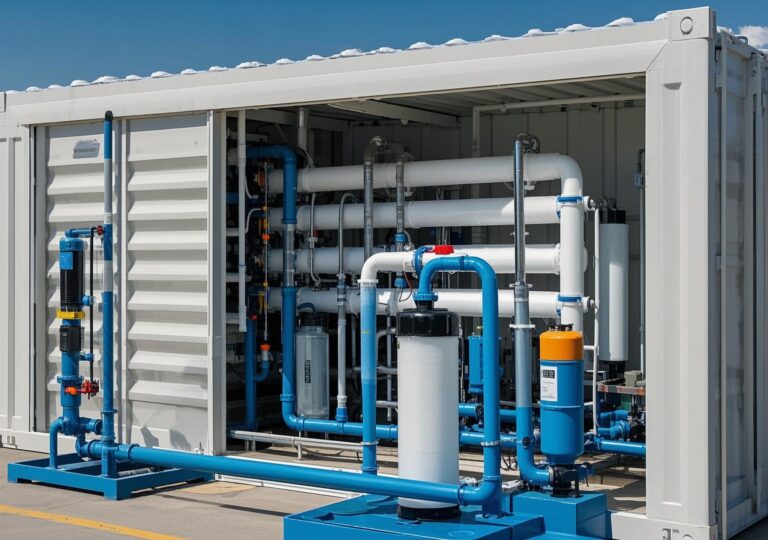
The advent of containerized and modular water treatment systems has revolutionized deployment in remote areas and emergency situations. These self-contained units, often built within standard shipping containers, offer rapid deployment, scalability, and simplified logistics. I recall a project where a modular water treatment plant was dispatched to a disaster zone; it was operational within days, providing critical potable water to thousands. This agility makes them ideal for temporary installations, military operations, and remote industrial sites where traditional construction is impractical or time-consuming. Their plug-and-play nature significantly reduces installation time and costs.
2. Special Focus Water Treatment: Seawater Desalination Innovations
Access to freshwater often defines a region’s prosperity and survival. For many coastal and arid areas, seawater desalination has become not just an option, but a necessity. The advancements in this field are truly transformative, offering hope to millions facing severe water scarcity.
2.1. Technical Principles of Seawater Desalination (SWRO)
When we talk about seawater desalination, we are predominantly referring to Seawater Reverse Osmosis (SWRO). This process uses high-pressure pumps to force seawater through semi-permeable membranes, effectively separating salt molecules from the water. Unlike brackish water RO, SWRO requires significantly higher operating pressures due to the much greater salinity of seawater. A fundamental principle of efficient SWRO lies in maintaining optimal pre-treatment to protect membranes from fouling, thereby extending their life and reducing operational costs. My firm has successfully designed SWRO plants that reduce the initial high total dissolved solids (TDS) of seawater, typically around 35,000 ppm, to less than 500 ppm, meeting international drinking water standards.
2.2. Performance Parameters and Operational Advantages in Marine Environments
Operating water treatment plants in marine environments presents unique challenges, from corrosive conditions to fluctuating raw water quality. Modern SWRO systems are designed with these in mind, utilizing corrosion-resistant materials like duplex stainless steel and advanced anti-fouling technologies. The performance parameters are continually being pushed, with focus on high recovery rates (the percentage of feed water converted to permeate) and low specific energy consumption (SEC). My experience includes overseeing the design of SWRO units for remote island resorts, where their operational advantages – producing fresh water on-site, reducing reliance on costly water imports, and minimal land footprint – proved invaluable. These units often feature advanced automation and monitoring for stable operation despite harsh marine conditions.
2.3. Addressing the Fresh Water Crisis with Desalination Technologies
The global freshwater crisis is intensifying, making desalination a vital solution. Regions with limited natural freshwater resources are heavily investing in seawater desalination plants. According to industry reports from 2025, innovations like forward osmosis and reverse electrodialysis are leading to significant reductions in energy consumption and operational costs. For instance, in a project for a coastal city with rapidly depleting aquifers, a large-scale SWRO plant was commissioned that now provides over 60% of the city’s potable water. This not only alleviated water stress but also allowed for the recovery of natural groundwater reserves. This demonstrates how desalination is not just a technological fix, but a strategic component of sustainable water resource management.
For industrial or seawater applications, plant design must be customized based on feed water quality, capacity, and energy availability. Many standard designs fail because they ignore these variables.
3. Technological Breakthroughs in Water Treatment Design
The rapid pace of innovation in water treatment plant design is truly exciting. Every year brings new breakthroughs that enhance efficiency, reduce costs, and improve environmental sustainability. These advancements are crucial for addressing the complex challenges of modern water purification.
3.1. Enhancing Energy Efficiency in RO and UF Systems
Energy consumption has historically been one of the largest operational costs for water treatment facilities, especially for RO systems. However, remarkable progress has been made. The integration of Energy Recovery Devices (ERDs) in large-scale SWRO plants has become standard practice, significantly recuperating energy from the reject brine stream. I’ve seen implementations where ERDs reduce the energy consumption of SWRO by up to 60%, drastically cutting electricity bills and carbon footprints. Furthermore, advancements in pump technology, such as variable frequency drives (VFDs), allow for precise control of pressure, reducing wasted energy. This focus on energy efficiency is critical for making large-scale desalination economically viable and environmentally responsible.
3.2. Smart Monitoring and Remote Control RO Systems for Optimized Performance

The digital revolution has profoundly impacted water treatment. Modern RO systems now incorporate sophisticated smart monitoring and remote-control capabilities, powered by SCADA systems, IoT sensors, and cloud-based analytics. These systems provide real-time data on critical parameters like flow rates, pressures, conductivity, and chemical dosing, enabling operators to make informed decisions and troubleshoot issues proactively. In one project for a remote mining operation, a smart RO system allowed technicians to monitor and optimize performance from hundreds of miles away, greatly reducing the need for on-site visits and ensuring continuous operation. This level of automation and data intelligence enhances efficiency, reduces downtime, and extends equipment lifespan.
3.3. Novel Membrane Materials and Anti-fouling Technologies
Membranes are the heart of RO and UF systems, and continuous research into novel materials is yielding impressive results. New generations of membranes feature enhanced hydrophilicity, making them less prone to fouling, and improved selectivity, leading to higher rejection rates of specific contaminants. Anti-fouling technologies, such as advanced coatings and self-cleaning membrane designs, are also significantly extending the operational periods between chemical cleanings. I’ve seen some of these newer membranes achieve filtration cycles twice as long as previous generations, translating directly to lower operational expenses and improved throughput for water treatment plants.
3.4. Integration of Sustainable Energy Sources in Water Treatment Plants

For water treatment plants, especially in regions with abundant sunlight or wind, integrating renewable energy sources is becoming increasingly common. Solar PV arrays and wind turbines can offset a significant portion of a plant’s energy demand, leading to reduced operating costs and a smaller carbon footprint. In a particularly innovative project, a small-scale SWRO system was entirely powered by a hybrid solar-wind energy system, providing fresh water to an off-grid community. This not only provided a sustainable water source but also fostered local energy independence. This trend towards green energy integration is a vital step towards truly sustainable water treatment solutions.
4. Detailed Technical Analysis of the Desalination Process
Delving deeper into the technicalities of seawater desalination reveals a carefully orchestrated sequence of steps, each critical for transforming salty seawater into potable drinking water. Understanding these stages is fundamental to optimizing a water treatment plant’s performance and ensuring water quality.
4.1. Pre-treatment Stages: Filtration and Chemical Conditioning for Seawater
The initial stages of seawater desalination are dedicated to pre-treatment, a crucial step that protects the delicate RO membranes. This involves removing suspended solids, organic matter, and potential foulants. Typically, seawater first undergoes coarse screening, followed by multimedia filtration (e.g., sand, anthracite), and sometimes even ultrafiltration, to remove particles down to very small sizes. Chemical conditioning, including coagulation, flocculation, and pH adjustment, is also vital to prevent scaling and biofouling on the membrane surfaces. In my experience, even minor deviations in pre-treatment can lead to significant membrane degradation and increased operational costs. I recall an instance where an inadequately designed pre-treatment system in a pilot desalination plant led to frequent membrane cleaning, driving up chemical consumption by almost 30% until we redesigned the pre-filtration train.
4.2. The Core Reverse Osmosis Process: Membrane Selection and Pressure Optimization
The heart of seawater desalination is the reverse osmosis process itself. Here, high-pressure pumps force the pre-treated seawater through spiral-wound thin-film composite (TFC) membranes. Membrane selection is paramount, considering factors like salt rejection rate, flux, and resistance to fouling. For seawater, high-rejection membranes are always chosen. Pressure optimization is equally critical; too low, and permeate production suffers; too high, and energy costs skyrocket, potentially damaging membranes. An efficient SWRO plant, based on data I’ve accumulated over the years, often achieves salt rejection rates of 99.5% or more and operates at pressures ranging from 55 to 80 bar (800-1200 psi), depending on seawater salinity and temperature.
4.3. Post-treatment: Remineralization and Disinfection for Potable Water
The water produced by RO is extremely pure, often too pure for consumption or distribution. It lacks essential minerals and can be corrosive. Therefore, adequate post-treatment is essential for producing potable water. This typically involves remineralization, where minerals like calcium and magnesium are added back to improve taste and make the water non-corrosive. Disinfection, often using chlorine or UV light water treatment, is the final step to ensure biological safety before distribution. My work in consulting for municipal water treatment plants has highlighted the importance of balancing aesthetic qualities with stringent health standards during this stage.
5. Diverse Applications and Customization in Challenging Environments
One of the most rewarding aspects of working in water treatment is seeing the diverse applications and how customized solutions can provide clean water in the most challenging environments. From the open sea to arid lands, innovation ensures access to this vital resource.
5.1. Water Treatment Solutions for Yachts and Offshore Platforms

Whether for luxurious yachts or critical offshore oil and gas platforms, reliable water treatment systems are indispensable. These systems, often referred to as “watermakers,” must be compact, robust, and capable of handling fluctuating seawater conditions. My practical experience designing systems for these applications emphasizes the need for minimal maintenance, high automation, and stringent compliance with maritime regulations. These bespoke water treatment solutions ensure autonomy and safety for onboard personnel and guests, providing fresh water for drinking, cooking, and sanitation without relying on shore-based supplies.
5.2. Delivering Fresh Water in Remote and Harsh Conditions
Providing fresh water to remote communities, disaster relief efforts, or military outposts requires particularly resilient and adaptable water treatment technologies. These systems must often operate with limited power, without skilled operators, and be able to treat a variety of raw water sources, from muddy river water to brackish wells. Portable and containerized water treatment plants, often powered by solar or wind energy, are ideal. I’ve personally been involved in deploying such units, marveling at their capacity to transform virtually any water source into safe drinking water, thus safeguarding public health in otherwise untenable conditions.
5.3. Agricultural and Industrial Applications of Desalinated Water
Beyond potable drinking water, desalinated water has significant roles in agriculture and industry. In arid agricultural regions, desalinated seawater can support crop irrigation, enabling food security where it would otherwise be impossible. Industries, particularly those requiring high-purity process water, like power generation, electronics manufacturing, and pharmaceuticals, also benefit immensely. The precise quality control offered by advanced water treatment systems, including RO and deionization, is crucial for these applications, preventing equipment corrosion and product contamination. This wider adoption underscores the versatility and economic importance of modern water treatment innovations.
6. Regulatory Compliance and Quality Assurance in Water Treatment
Ensuring the safety and quality of treated water is paramount, necessitating strict adherence to regulatory frameworks and robust quality assurance protocols. As a expert in the field, I understand that compliance isn’t just about avoiding penalties; it’s about safeguarding public health and environmental integrity.
6.1. Adhering to International Maritime and Environmental Regulations
For water treatment systems on marine vessels or offshore platforms, adherence to international maritime regulations, such as those set by the International Maritime Organization (IMO), is non-negotiable. These regulations often dictate permissible discharge limits for various pollutants and set standards for ballast water treatment. Furthermore, environmental regulations at local and national levels govern the discharge of treated effluent and brine from desalination plants. My work in compliance has shown that proactive design, integrating monitoring and control systems, is far more effective than reactive adjustments post-installation. A 2025 IMO regulatory update emphasizes the continuous goal to foster a safer and more sustainable future for maritime trade, directly impacting the design of marine water treatment solutions.
6.2. Certification and Quality Control Standards for Water Purity

Achieving and maintaining certified water purity levels is the ultimate goal of any water treatment plant. Standards vary regionally (e.g., EPA in the US, WHO global guidelines) but generally cover parameters like turbidity, pH, microbial counts, and concentrations of specific contaminants. Quality control processes involve regular sampling and testing, using advanced laboratory equipment. Certification bodies like NSF International provide independent verification that water treatment systems meet specific public health and performance standards. In one project for a municipal drinking water treatment plant, we implemented a continuous online monitoring system for key parameters, automatically sending alerts if any deviation from the set standards occurred, ensuring instant response and unwavering water quality.
7. Sustainability and Environmental Responsibility in Plant Design
The design of modern water treatment plants must go beyond mere efficiency; it must embody a deep commitment to environmental responsibility. Sustainability is no longer an optional add-on but a foundational principle in every aspect of water management.
7.1. Energy-Saving Measures and Carbon Footprint Reduction
Reducing the energy consumption of water treatment plants is a primary driver for sustainability. As explored earlier, significant strides have been made with energy recovery devices, efficient pumps, and the integration of renewable energy sources. Beyond these, optimizing plant layout to minimize pumping requirements, employing gravity-fed systems where possible, and using highly efficient aeration systems in biological treatment processes also contribute to a lower carbon footprint. My personal involvement in calculating lifecycle emissions for several large water treatment plants has highlighted that while technology is key, holistic design thinking, from site selection to daily operations, yields the most substantial environmental benefits.
7.2. Environmentally Sound Brine Management and Disposal Methods

The management of brine, the concentrated salt solution byproduct of seawater desalination, is a critical environmental consideration. Unsustainable discharge can harm marine ecosystems. Modern water treatment plants employ several strategies for environmentally sound brine management. These include dilution with treated effluent, advanced diffuser designs to ensure rapid mixing and minimal ecological impact, and in some cases, co-location with power plants to utilize waste heat for further concentration or beneficial reuse. In a previous coastal desalination plant project, an advanced multi-port diffuser system was installed, which distributed brine across a wide area, reducing its concentration to ambient seawater levels within meters of discharge, ensuring minimal impact on local marine life. This is a testament to the fact that responsible operation is integral to design.
7.3. The Future of Water Treatment: Towards a Circular Water Economy
The ultimate vision for sustainable water treatment is a circular water economy, where water is treated, reused, and recycled indefinitely. This approach minimizes waste, reduces energy consumption, and protects precious freshwater sources. Innovations in wastewater treatment for potable reuse (direct and indirect), resource recovery (e.g., nutrients, energy from sludge), and industrial water recycling are all components of this future. My long-term outlook on the industry sees a growing shift from linear “take-use-dispose” models to integrated, regenerative systems that view wastewater not as a waste product, but as a valuable resource to be carefully managed and reclaimed.
8. Conclusion: Shaping the Future of Global Water Security
The journey through the innovations in water treatment plant design underscores a fundamental truth: our collective future hinges on how effectively we manage our most vital resource. The advancements discussed are not just technical marvels; they are beacons of hope in a world grappling with growing water scarcity.
8.1. Emphasizing Innovation and Environmental Stewardship in Water Solutions
From cutting-edge RO and UF systems to smart monitoring and renewable energy integration, innovation is the driving force behind superior water treatment solutions. My career has been largely defined by the pursuit of these innovations, witnessing how each breakthrough contributes to more efficient, reliable, and cost-effective ways of ensuring water quality and availability. Crucially, this innovation is consistently paired with an increasing emphasis on environmental stewardship. Modern water treatment plants are designed not only to purify water effectively but also to minimize their ecological footprint, from energy consumption to brine management. This dual commitment is non-negotiable for anyone in the field.
8.2. Partnering for Sustainable Water Resource Management
Ultimately, securing global water security is a collaborative effort. It requires partnerships between engineers, policymakers, communities, and industry stakeholders. Investment in research and development, supportive regulatory frameworks, and public awareness are all critical components. As an expert, I’ve seen that the most successful projects are those where all parties collaborate towards a common goal. Looking forward, the continuous evolution of water treatment plant design will be pivotal in overcoming future water challenges, ensuring that clean, safe water remains accessible to everyone, everywhere.
FAQs on Innovations in Water Treatment Plant Design and Seawater Desalination
Q1: What is reverse osmosis (RO) in water treatment plant?
Reverse Osmosis (RO) is a water purification process where water is forced through a semi-permeable membrane under pressure, removing dissolved salts, impurities, and contaminants to produce clean water.
Q2: What are containerized water treatment systems used for?
Containerized water treatment systems are modular, self-contained units designed for rapid deployment in remote or emergency locations, providing scalable, plug-and-play water purification solutions with reduced installation time and costs.
Q3: What is seawater desalination and why is it important?
Seawater desalination uses processes like Seawater Reverse Osmosis (SWRO) to remove salt from seawater, providing potable water in coastal or arid regions where freshwater scarcity is critical.
Q4: How to enhance energy efficiency in RO water treatment plants?
Energy efficiency can be improved by integrating Energy Recovery Devices (ERDs) that capture energy from brine discharge, using variable frequency drives on pumps for precise pressure control, and optimizing plant layout to reduce pumping needs.
Q5: How to implement smart monitoring in reverse osmosis water treatment systems?
Smart monitoring involves installing SCADA systems, IoT sensors, and cloud analytics to track real-time parameters such as flow, pressure, and water quality, enabling remote control, predictive maintenance, and performance optimization.
Q6: How to manage brine discharge from seawater desalination environmentally?
Environmentally sound brine management uses advanced diffuser systems for rapid dilution, mixing brine with treated effluent, and sometimes co-location with power plants for waste heat reuse to minimize marine ecosystem impact.
Q7: Why is proper pre-treatment critical for RO membrane longevity?
Pre-treatment removes suspended solids, chlorine, and organic matter to prevent membrane fouling and scaling, thereby extending membrane lifespan, reducing cleaning frequency, and improving overall system efficiency.
Q8: What are the differences between ultrafiltration (UF), nanofiltration (NF), and reverse osmosis (RO)?
UF removes suspended solids and pathogens with larger pore membranes; NF removes some dissolved solids and hardness at lower pressures; RO provides the highest purity by removing nearly all dissolved salts, requiring higher pressures and more energy.
Q9: How can renewable energy sources be integrated into water treatment plants?
Renewable energy, such as solar PV and wind turbines, can power water treatment facilities, reducing operational costs and carbon footprint, with hybrid systems enabling off-grid operation and energy independence, especially in remote locations.
Q10: What role do regulations and certifications play in water treatment plant operations?
Regulations ensure treated water meets health and environmental standards, requiring compliance with limits on contaminants and discharge; certifications from bodies like NSF verify system safety and performance to protect public health.