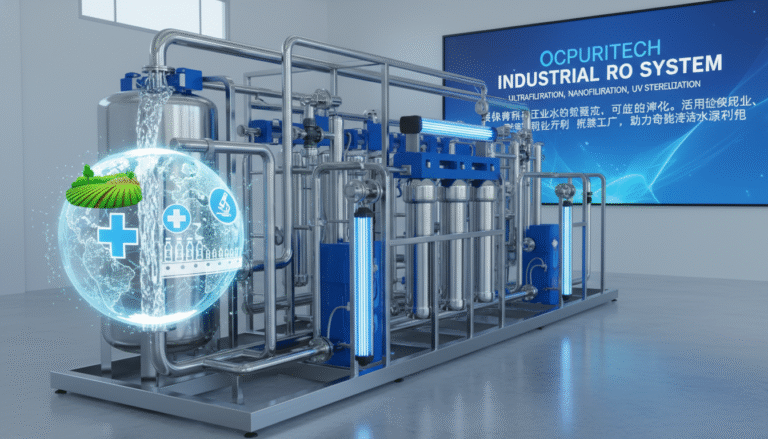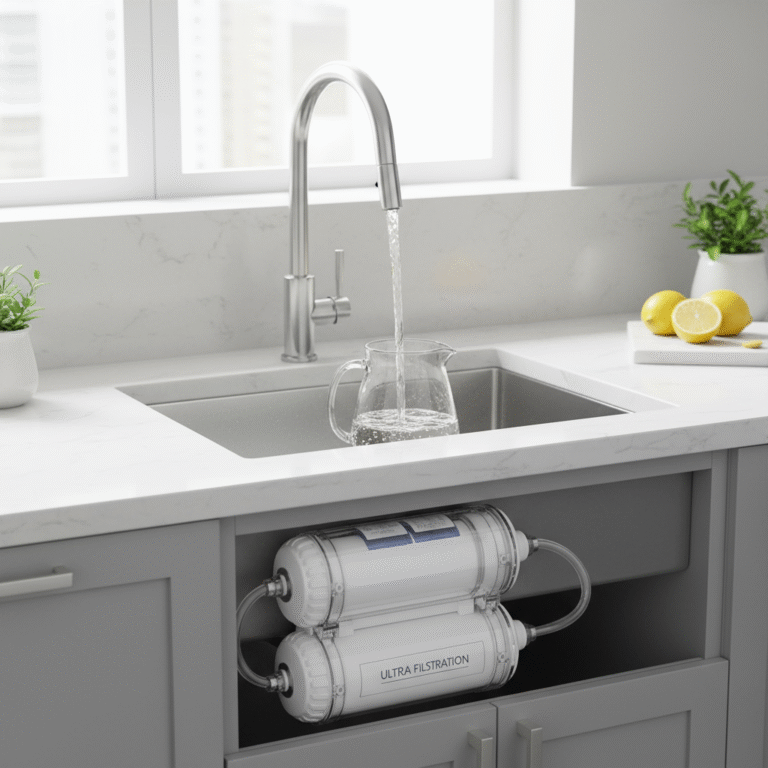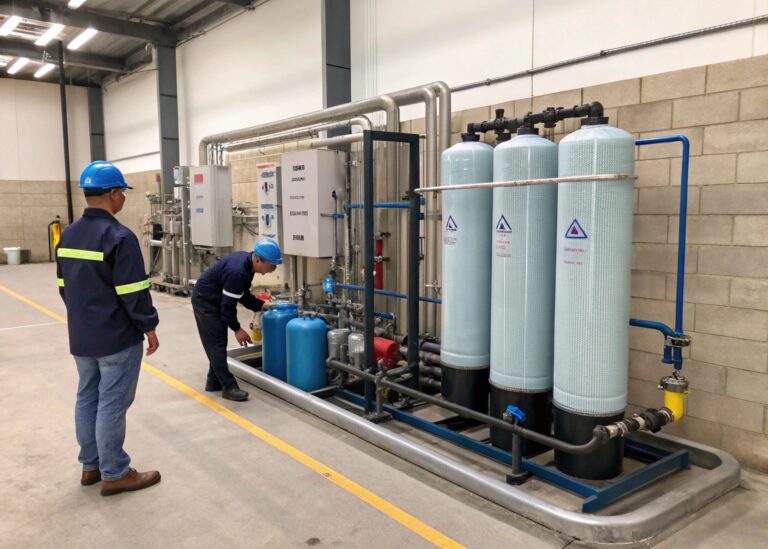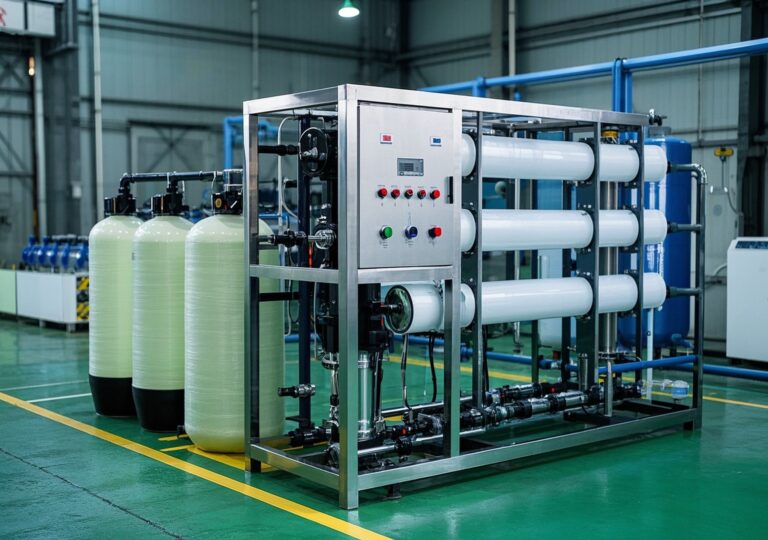
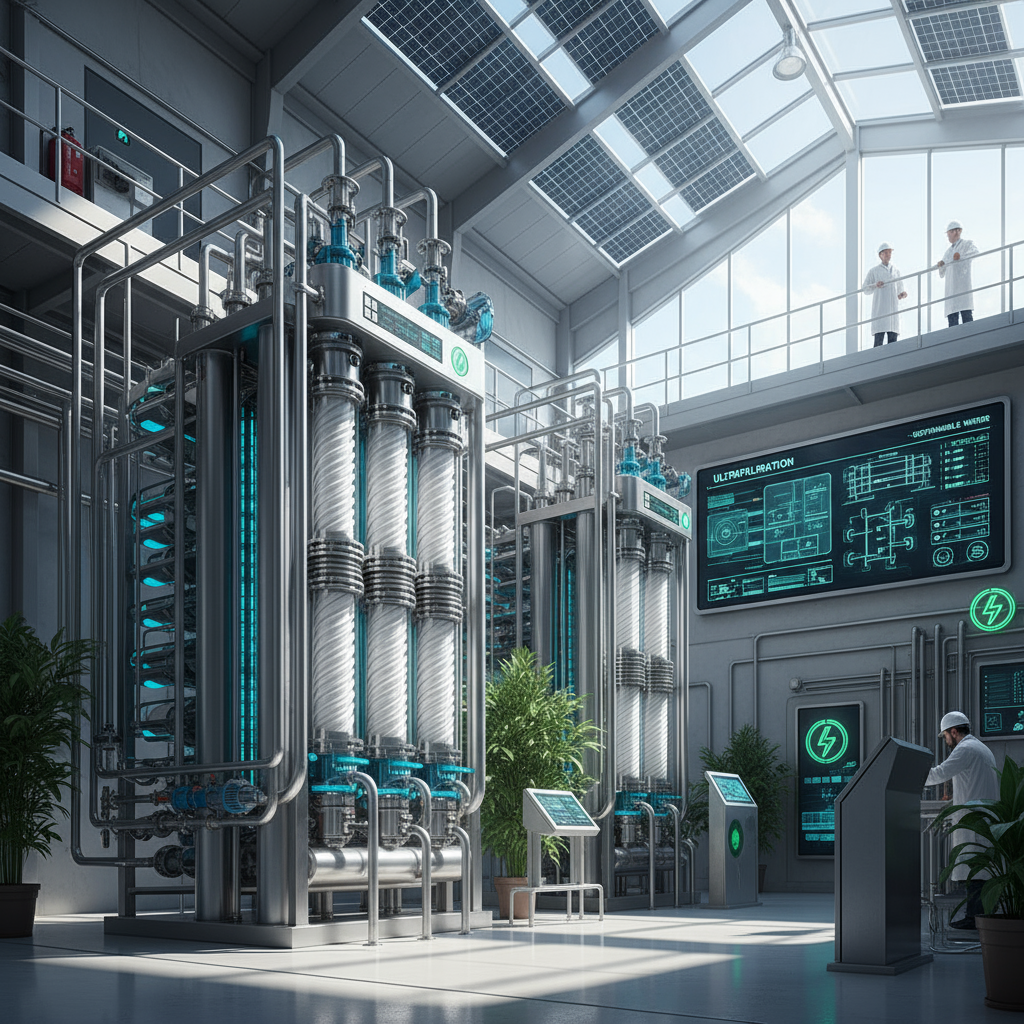
Ultrafiltration system technology has become indispensable in the evolving landscape of industrial water treatment. From ensuring process water purity in pharmaceutical manufacturing to safeguarding municipal water supplies, ultrafiltration offers a reliable membrane-based solution that balances performance with cost-effectiveness. In this article, we explore the technical foundations, market dynamics, and practical benefits of ultrafiltration systems, informed by both authoritative market data and firsthand industry experience.
1. Overview of Ultrafiltration Systems in Industrial Water Treatment
Ultrafiltration (UF) systems primarily operate by using semipermeable membranes to separate suspended solids, bacteria, viruses, and high-molecular-weight substances from water. Unlike reverse osmosis, UF membranes provide a filtration barrier delineated by pore sizes in the range of 0.01 to 0.1 microns, allowing for efficient removal of colloids and pathogens without extensive energy consumption.
Industrial ultrafiltration systems are widely adopted across sectors including:
- Mining: for pre-treatment of process water and effluent recovery to minimize environmental impact.
- Food & Beverage Processing: ensuring ingredient purity and wastewater recycling while meeting strict sanitary standards.
- Pharmaceutical & Cosmetics: providing ultrapure water essential for formulation and cleaning processes.
- Municipal and Laboratory Applications: treatment of river water, groundwater, and well water for potable and laboratory-grade use.
- Boiler Feed Water: producing clean water to reduce scaling and corrosion risks.
The versatility of ultrafiltration suits these varying water sources and quality needs, contributing to increasing adoption worldwide.
2. Technology Principles and Key Components
At the heart of every ultrafiltration system lies the membrane module composed of hollow fiber or flat sheet membranes. The core working principle involves pressurized filtration, where feed water flows tangentially across the membrane surface to reduce fouling and increase membrane lifespan.
Key technical features include:
- Membrane Material: Typically made from polysulfone, polyethersulfone, or ceramic materials, selected for chemical resistance and durability.
- Pore Size and Selectivity: Membranes precisely retain particles larger than the threshold, enabling removal of bacteria, viruses, and suspended solids.
- Automated Control Systems: Integration with SCADA and PLC systems enables real-time monitoring of transmembrane pressure, flow rates, and flux, optimizing cleaning cycles and reducing downtime.
- CIP (Clean-in-Place): Advanced cleaning protocols ensure the membranes maintain high permeability and longevity.
These technical components combine to deliver consistent filtration performance, reduce operational costs, and support compliance with environmental regulations.
3. Pricing Breakdown and Investment Considerations
Understanding the composition of ultrafiltration system costs is essential for stakeholders to gauge return on investment accurately. The total expenditure generally includes:
| Cost Component | Description | Typical Percentage of Total Cost |
|---|---|---|
| Core Ultrafiltration Unit | Membrane modules, pressure vessels, and primary piping | 50-60% |
| Pre- and Post-Treatment Modules | Filters (e.g., sand, carbon), chemical dosing, UV treatment | 15-25% |
| Automation & Instrumentation | Control panels, sensors, and monitoring software | 10-15% |
| Installation & Commissioning | Labor, equipment setup, and testing | 10-15% |
| Operating & Maintenance Costs | Energy, membrane cleaning chemicals, labor | Ongoing (variable) |
While initial capital costs can seem substantial, the long membrane lifespan and reduced chemical consumption significantly improve total cost of ownership. From experience, clients report that optimized ultrafiltration systems often break even within 3-5 years through water savings, regulatory compliance avoidance fees, and process improvements.
4. Performance Specifications and Quality Assurance
Key performance indicators for ultrafiltration systems depend on feed water quality and end-use requirements but generally include:
- Flow Capacity: Ranging from a few cubic meters per hour for lab systems to several thousand m³/h for municipal plants.
- Retention Rate: >99.9% removal of suspended solids and pathogens.
- Recovery Ratio: Typically 80-90%, minimizing wasted water.
- Operating Pressure: Usually 1-5 bar, promoting energy efficiency.
- Cleaning Frequency: Dependent on feed water quality, often every 2-4 weeks via CIP.
Quality assurance is managed through rigorous material certifications, compliance with ISO 9001, NSF standards for potable water, and routine factory acceptance tests. In my engagements, monitoring membrane integrity through pressure decay and permeability tests has been crucial in guaranteeing uninterrupted plant performance.
5. Market Landscape and Application Analysis
The ultrafiltration market has experienced robust growth, driven by increasing demand for advanced water treatment solutions globally. According to Grand View Research, the ultrafiltration membrane market was valued at $1.25 billion in 2022 and is expected to grow at a 12.3% CAGR through 2030, fueled by industrial and municipal sectors’ rising water quality standards.
Regionally, areas facing water scarcity or industrial pollution witness accelerated UF adoption. For example:
- In arid zones, ultrafiltration enables the reuse of wastewater for irrigation and processes.
- Industries dealing with stringent effluent regulations utilize UF to reduce contaminant loads and avoid compliance penalties.
- Municipalities implement ultrafiltration for safe drinking water production from surface or groundwater sources with high turbidity or microbial contamination.
The adaptability of ultrafiltration technology to varying feed water qualities and requirements makes it an effective solution for a spectrum of water challenges.
6. Practical Case Studies and Industry Insights
Drawing from my involvement in diverse projects, ultrafiltration has delivered tangible benefits across sectors:
- Pharmaceutical Plant Upgrade: In a facility upgrading its water purification, implementing an ultrafiltration system boosted feed water consistency for the final reverse osmosis stage. The clean water met pharmacopoeia standards consistently, reducing downstream membrane replacements by 20%, cutting maintenance downtime substantially.
- Food Processing Facility Wastewater Reuse: A beverage manufacturer integrated UF into its wastewater treatment chain, enabling safe reuse for non-product applications. This cut fresh water purchase costs by 30% annually and contributed to corporate sustainability targets.
- Municipal Source Water Treatment: A city faced with turbidity spikes in river water opted for ultrafiltration modules. The system operated reliably with high flux rates and minimal fouling, providing stable supply quality during seasonal fluctuations. The municipality noted improved compliance with drinking water safety regulations and lowered chemical usage.
These cases highlight the system’s operational flexibility and positive impact on both business results and environmental stewardship.
7. Customization Options and Service Support
Modern ultrafiltration solutions emphasize modularity and client-specific tailoring. Options include:
- Pre-Treatment Configurations: Customized sand filters, coagulation-flocculation units to reduce membrane load.
- Post-Treatment Enhancements: UV sterilization, ozone dosing to ensure microbiological safety.
- Automated Monitoring Systems: Remote diagnostics to predict fouling and schedule maintenance efficiently.
Service agreements typically cover installation supervision, staff training, and preventive maintenance plans. In my experience, offering comprehensive after-sales support has resulted in superior system uptime and customer satisfaction.
8. Manufacturer Credibility and Partnership Advantages
When selecting ultrafiltration providers, assessing technical expertise and certification profile is key. Leading manufacturers maintain ISO certifications, have a proven track record executing large-scale municipal and industrial projects, and provide transparent performance warranties.
From multiple collaborations, I observed that those integrating R&D excellence with responsive customer service deliver the best overall value. Partnering with such manufacturers can accelerate project timelines and mitigate operational risks.
9. Conclusion and Investment Recommendations
Ultrafiltration system technology stands as a mature, adaptable, and cost-efficient solution in industrial water management. Integrating authoritative market growth forecasts with deep operational insights suggests this technology will remain central in meeting tightening water quality and sustainability demands.
For investors and operational managers, prioritizing ultrafiltration systems with robust automation, quality membrane materials, and comprehensive service support yields greater long-term savings and process reliability. Evaluating system TCO alongside compliance benefits solidifies the rationale for adopting ultrafiltration-driven water strategies.
In light of dynamic water treatment challenges, embracing ultrafiltration technology will continue to enhance industrial competitiveness and environmental responsibility.