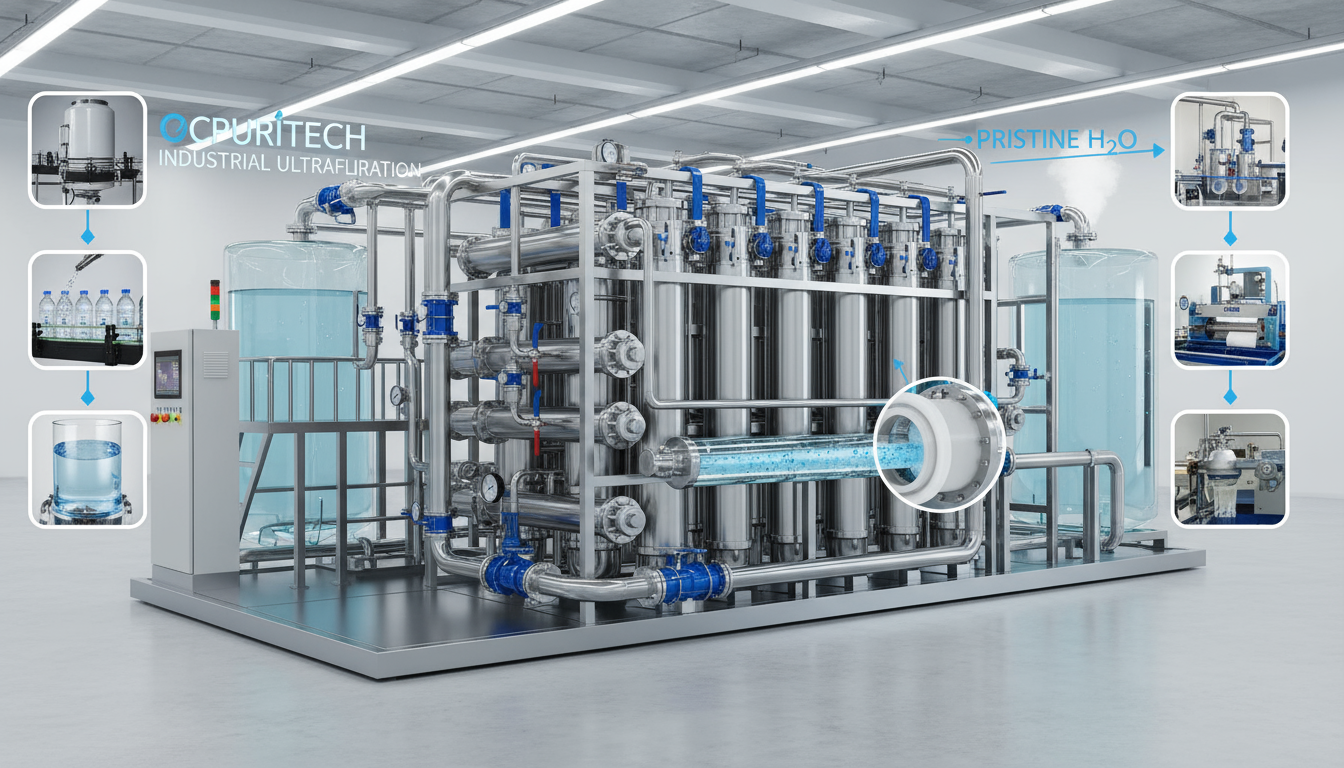
In modern industry, water quality plays a pivotal role in operational efficiency, environmental protection, and product integrity. Among water purification technologies, the ultrafiltration system has emerged as a robust solution to address increasingly stringent water quality demands across diverse sectors. This article delves deeply into the industrial impact of ultrafiltration systems on water quality, blending authoritative data with practical insights from real-world applications.
Product Overview: Ultrafiltration Systems in Industrial Water Treatment
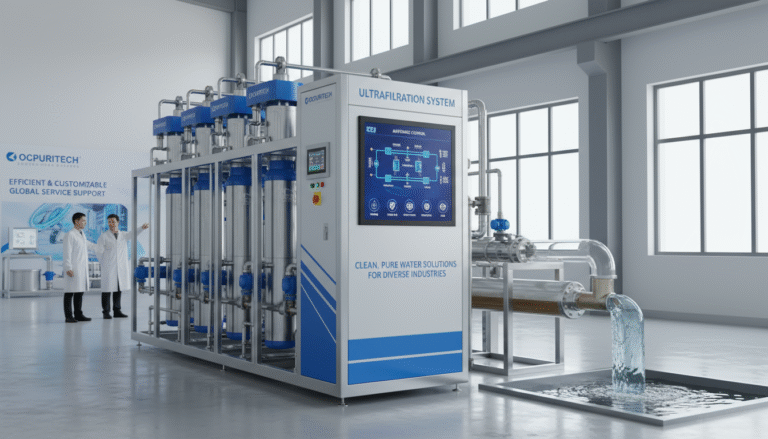
An ultrafiltration system is a membrane-based water filtration technology that operates on a pressure-driven separation principle to remove suspended solids, colloids, bacteria, viruses, and high molecular weight substances from water. It typically uses membranes with pore sizes between 0.01 and 0.1 microns, offering high retention rates for contaminants without bringing in the energy-intensive requirements seen in reverse osmosis systems.
Industries increasingly relying on ultrafiltration include mining, food and beverage processing, pharmaceuticals, cosmetics, laboratories, municipal water treatment, and agriculture. Key water sources treated by ultrafiltration range from raw surface water (rivers, lakes), groundwater, to reclaimed wastewater. Ultrafiltration’s gentle process ensures removal of larger pathogens and suspended particles while preserving essential minerals, which is advantageous for applications such as boiler feedwater and ultra-pure water preparation.
For example, in the pharmaceutical sector, ultrafiltration precedes further purification steps to ensure compliance with regulatory standards. Similarly, in food processing, it guarantees product safety by removing microbial contaminants without chemical additives. This broad applicability showcases ultrafiltration as a versatile and essential component in industrial water management.
Technical Principles and Key Components
At its core, an ultrafiltration system employs semi-permeable membranes that selectively allow water and low-molecular-weight solutes to pass while rejecting larger molecules, suspended solids, bacteria, and viruses. Operating typically under low pressure (1 to 3 bar), it offers an energy-efficient alternative to more expensive technologies such as reverse osmosis.
The major components include:
- Membrane Modules: Hollow fiber or flat-sheet membranes with specified pore sizes to guarantee targeted separation.
- Feed Pump: Provides consistent feed pressure to maintain flow through membranes.
- Control System: Automated sensors and valves modulate flow, pressure, and cleaning cycles to optimize performance and membrane life.
- Pretreatment Filters: Sand filters, carbon filters, or softeners to reduce fouling agents and extend membrane longevity.
- Cleaning System: Chemical and backwashing systems designed for membrane fouling control and maintenance.
Compared to older generation multi-stage flash desalination or even some reverse osmosis systems, ultrafiltration offers remarkable energy savings while maintaining a high retention rate of pathogens and suspended solids. Industry associations emphasize the advantage of ultrafiltration membranes in reducing operational costs linked with energy and chemical usage, underscoring the system’s sustainable edge.
Price Analysis: Cost Breakdown and Investment Value
Understanding the total cost of ownership (TCO) for an ultrafiltration system is essential for informed investment. The pricing structure typically involves three main components:
- Initial Capital Expenditure (CAPEX): This includes the membrane modules, feed pumps, automation controls, pretreatment filters, auxiliary components, and installation fees.
- Operating Expenses (OPEX): Energy consumption, membrane cleaning chemicals, membrane replacement at end-of-life, labor, and routine maintenance.
- Additional Modules and Customization: Depending on specific water source characteristics and treatment goals, added components like ultraviolets (UV), enhanced filtration stages, and remote monitoring may increase upfront costs.
From my experience managing industrial ultrafiltration projects, the CAPEX can represent approximately 50-60% of the first five-year total cost, with energy and maintenance consuming the rest. However, selecting membranes with anti-fouling properties and automating cleaning cycles significantly reduces operating expenses by approximately 15-20%. This reduction enhances the system’s long-term competitiveness and ROI.
Performance Specifications and Quality Assurance
Key performance indicators (KPIs) of an industrial ultrafiltration system typically include:
| Parameter | Typical Range / Value | Industry Standard / Requirement |
|---|---|---|
| Pore Size | 0.01 – 0.1 µm | ISO 16961:2014 |
| Flux Rate | 50 – 150 LMH (Liters per square meter per hour) | Measured per membrane type |
| Retention Rate (Bacteria/Viruses) | >99.9% | EPA/WHO Standards |
| Operating Pressure | 0.1 – 0.3 MPa | Manufacturer specifications |
| Membrane Life | 3 – 7 years (depending on feed water quality and maintenance) | Maintenance adherence required |
Materials used for membrane housings and piping are generally corrosion-resistant polymers or stainless steel, ensuring durability under industrial conditions. Quality assurance processes rely on stringent testing for pore uniformity, pressure tolerance, and microbial retention. Independent certifications such as NSF/ANSI and ISO standards are often used to validate product claims.
Market and Application Scenario Analysis
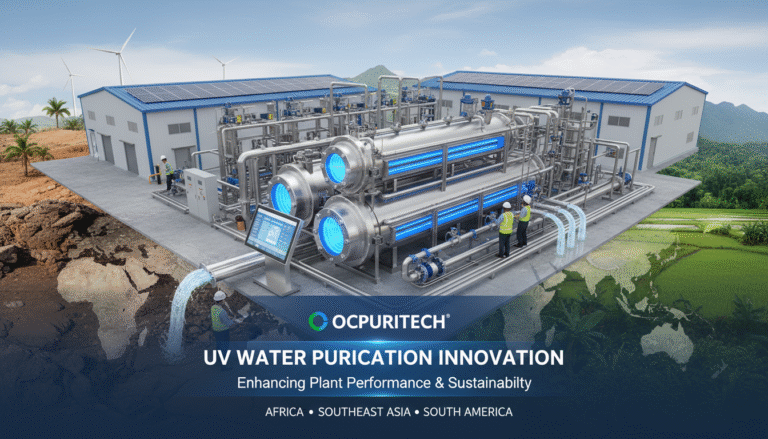
Globally, water scarcity is an escalating challenge. According to the World Health Organization (WHO), as of 2024, over 2.1 billion people lack access to safely managed drinking water services, with significant impacts in regions like Sub-Saharan Africa, Southeast Asia, and South America. Industrial and agricultural water shortages hinder economic development in these regions, where water-intensive industries such as mining and food processing face serious operational constraints.
In developing regions, advancing ultrafiltration technology adoption aligns with global efforts to improve water accessibility and sustainability, addressing both public health and local economy upliftment.
Industrially, ultrafiltration systems are ideally suited to pre-treat surface water or reclaimed water, ensuring consistent feed quality for downstream processes. Industries also require ultrafiltration for wastewater recycling, reducing freshwater demand and complying with environmental regulations.
In the food and beverage sector, ultrafiltration provides microbial safety without chemical disinfectants, preserving the natural taste and enhancing process reliability. Pharmaceutical and laboratory applications demand ultrafiltration for producing high-quality purified water, critical to product quality and compliance.
The adaptability of ultrafiltration ensures it fits various industries facing challenges from fluctuating raw water quality, regulatory restrictions, and rising freshwater costs. This adaptability is why many companies, including those in Southeast Asia and Africa, are integrating ultrafiltration into their water schemes to secure sustainable operations for the future.
Case Sharing: Industrial Applications and Results
In one of the large-scale mining operations I advised in Southeast Asia, the ultrafiltration system was installed as a critical pretreatment stage before reverse osmosis desalination. The feed water contained high turbidity (up to 100 NTU) and microbial loads. After ultrafiltration, turbidity reduced below 1 NTU with bacteria removal efficiencies greater than 99.9%, extending RO membrane life by 30% and decreasing chemical cleaning frequency.
Another case involved a beverage manufacturing plant in South America, where ultrafiltration replaced traditional sand filtration and UV disinfection. The new system provided consistent microbial control while preserving mineral content, improving product taste quality. The plant reported a 20% reduction in water-related downtime and saved approximately 15% on water treatment operating costs annually.
At a pharmaceutical production facility in East Asia, ultrafiltration was integrated within the pure water preparation system. Strict control over conductivity, microbial content, and total organic carbon (TOC) was required. The ultrafiltration membranes consistently met USP and EP guidelines for purified water, guaranteeing compliance and avoiding production delays due to water quality issues.
Customized Solutions and Service Support
Customization is key to maximizing the benefits of an ultrafiltration system. Depending on feedwater quality, site conditions, and end-use requirements, pretreatment options such as sand filtration, activated carbon, or softening may be necessary to reduce fouling risks. Post-treatment steps might include UV sterilization or advanced oxidation for further microbial control or organic compound reduction.
Modern ultrafiltration systems often come equipped with automated control panels and remote monitoring capabilities, allowing operators to track performance in real-time and optimize cleaning schedules. This digital integration minimizes human error and extends membrane life.
Service support encompassing installation, commissioning, routine maintenance, membrane replacement, and technical training is critical. Working with a provider experienced in industrial water treatment ensures long-term reliability and fast troubleshooting when issues arise.
Manufacturer Profile and Collaboration Advantages
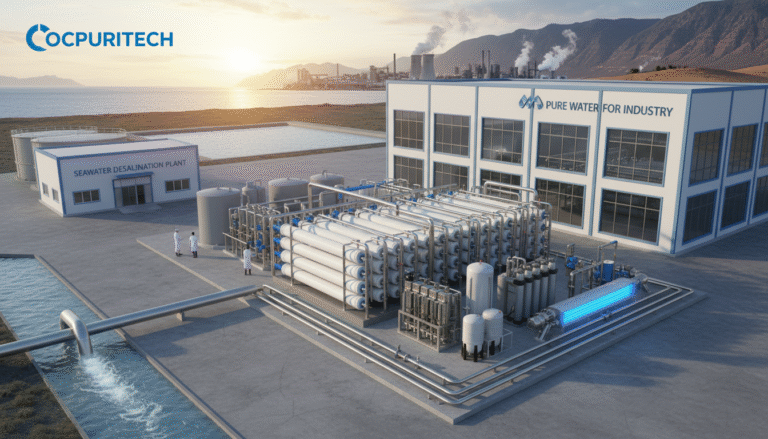
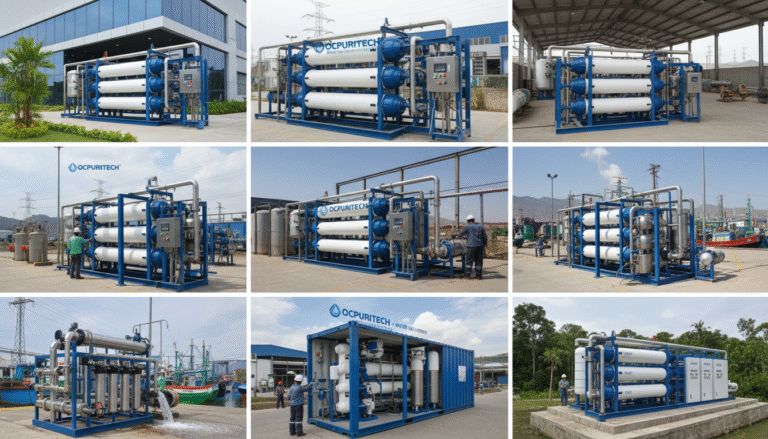
Ocpuritech, with over 14 years of industry experience, stands out as a manufacturer delivering cost-effective and high-quality ultrafiltration systems. Operating from two standardized factories in Guangzhou and Jiangmen with over 10,000 square meters of production space, Ocpuritech excels in providing comprehensive water treatment solutions, including industrial ultrafiltration, reverse osmosis, nanofiltration, and ultrapure water systems.
The brand mission “We hope everyone in the world can drink clean and pure water” reflects Ocpuritech’s commitment to environmental responsibility and social impact. Its strong presence in Southeast Asia, Africa, and South America testifies to its equipment reliability and service excellence, adapting to diverse water quality challenges in developing markets.
Their extensive portfolio includes customized water treatment projects for agriculture, food production, pharmaceuticals, and municipal clients, validated by strict quality control standards and certifications. Partnering with such a seasoned manufacturer ensures access to cutting-edge ultrafiltration technologies and tailored post-sale support.
Comprehensive Conclusion and Investment Advice
The adoption of ultrafiltration systems in industry is no longer a niche but a necessity driven by increasing regulatory pressure, water scarcity, and demand for product quality. These systems offer a powerful balance of high-performance contaminant removal, energy efficiency, low chemical usage, and operational flexibility.
Investors and plant managers should consider the full lifecycle cost, not just the upfront equipment price, to capture true value. Efficient operation, membrane longevity, and minimal downtime contribute to a rapid return on investment. Moreover, partnering with an experienced supplier, such as Ocpuritech, can streamline project delivery and long-term reliability.
Ultimately, ensuring access to pure and safe water through advanced treatment technologies like ultrafiltration secures sustainable development goals and enhances industrial productivity worldwide.
Frequently Asked Questions (FAQ)
-
How does ultrafiltration differ from reverse osmosis?
Ultrafiltration removes suspended solids, bacteria, and viruses using membranes with larger pores than reverse osmosis, which filters out dissolved salts and smaller molecules. Ultrafiltration generally consumes less energy. -
What industries benefit most from ultrafiltration systems?
Key industries include food and beverage, pharmaceuticals, mining, municipal water treatment, cosmetics, and agriculture—especially where consistent, high-quality water is critical. -
What maintenance is required to ensure optimal ultrafiltration performance?
Regular cleaning of membranes, monitoring fouling indicators, timely replacement of membranes, and pretreatment adjustments are essential. Automated cleaning cycles improve reliability. -
How does ultrafiltration support sustainable water management?
Ultrafiltration enables water reuse and reduces chemical consumption and energy use compared to traditional treatments, aligning with global sustainability goals and reducing environmental impact.
For a deeper understanding and solutions tailored to your specific industrial water challenges, exploring partnerships with experienced ultrafiltration system providers is always recommended.