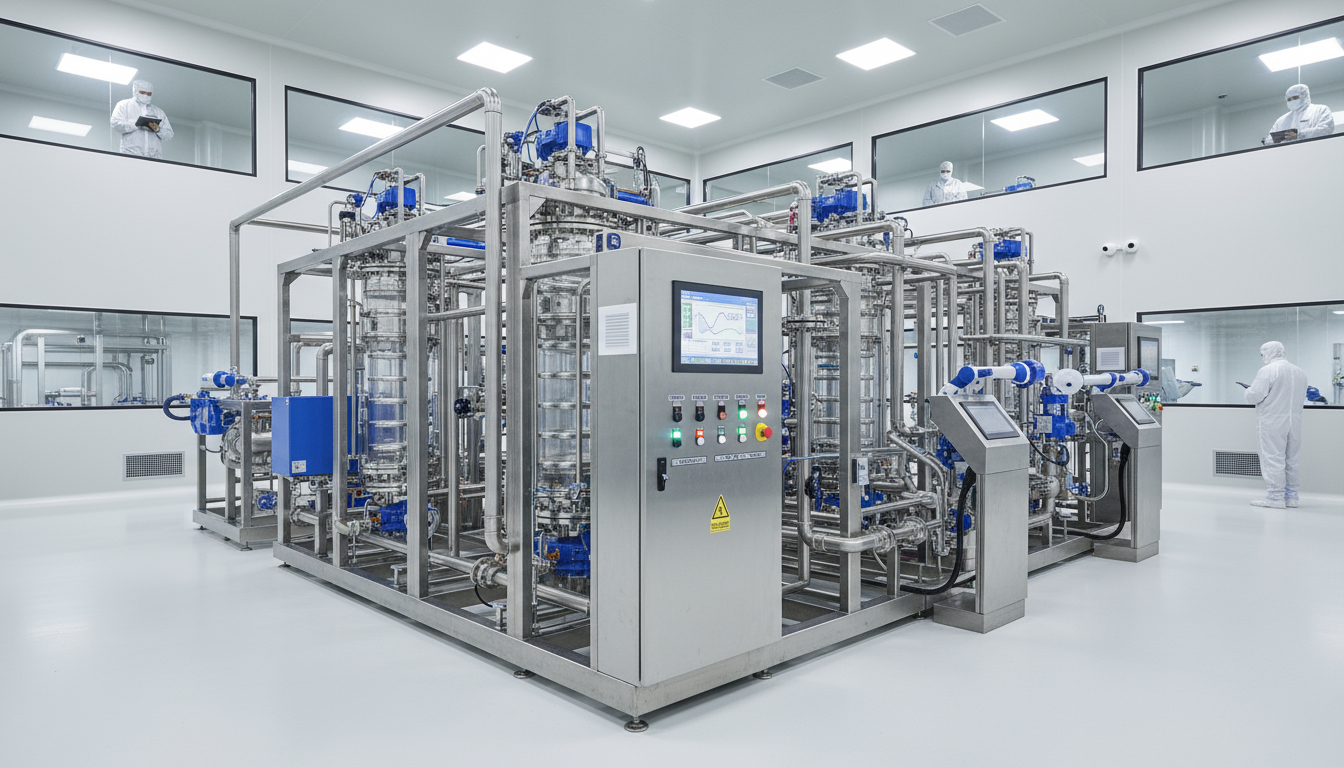
Water treatment machinery serves as a cornerstone in modern industrial operations, enabling enterprises to secure reliable and compliant water sources. From mining and food processing to pharmaceuticals and electronics, the demand for tailored water purification solutions continues to rise. In this article, I offer an in-depth exploration of the best water treatment machinery suited for diverse industries, focusing on technology, cost structure, performance, and real-world implementation experiences, all grounded in authoritative data and practical insights.
1. Overview of Water Treatment Machinery and Industry Applications
Industrial water treatment systems come in numerous configurations, each tailored to specific water sources and purity requirements. The main types include reverse osmosis (RO) units, ultrafiltration (UF) systems, deionization (DI) setups, and advanced membrane technologies. These systems support applications ranging from treating well water and municipal supplies to processing river or underground water.
Industries such as mining, food and beverage, pharmaceuticals, cosmetics, and laboratories often require high purity water for critical processes. For example:
- Mining operations utilize water treatment to remove solids and heavy metals for reuse and environmental compliance.
- Food processing plants need systems capable of eliminating microbial contaminants and organic impurities to meet safety standards.
- Pharmaceutical and semiconductor manufacturing demand ultrapure water with strict control over Total Organic Carbon (TOC), conductivity, and microbial levels.
- Industrial boiler feedwater and cooling tower treatments focus on hardness ion removal and scale prevention to enhance equipment longevity.
Drawing from my experience managing water projects in a large pharmaceutical facility, I observed that aligning system selection with industry-specific standards such as USP, FDA, and SEMI is critical to operational compliance and product quality.
2. Technical Principles and Core Components
Most advanced water treatment systems leverage membrane separation technologies combined with automation controls to ensure efficiency and consistency:
- Membrane Technologies: Reverse osmosis (RO), ultrafiltration (UF), nanofiltration (NF), and electrodeionization (EDI) membranes serve as physical barriers, removing dissolved solids, organics, bacteria, and viruses.
- Pre-Treatment Units: Include multimedia filters, activated carbon filters, and water softeners to remove turbidity, chlorine, and hardness ions, protecting membranes from fouling.
- Automated Control Systems: Employ sensors for parameters such as conductivity, pH, and flow rates, linked to programmable logic controllers (PLCs) for real-time monitoring and adjustment.
- Advanced Oxidation and UV Sterilization: Utilized in ultrapure water systems to degrade trace organics and control microbial contamination.
This combination ensures stringent control over critical parameters. For example, in semiconductor ultrapure water systems, TOC levels below 10 ppb and resistivity above 18.2 MΩ·cm are achieved by integrating RO with UV oxidation and DI polishing stages.
From a practical standpoint, embedded automation reduces downtime and allows predictive maintenance, which I’ve implemented successfully in a multinational food processing plant, leading to a 20% reduction in operational disruptions.
3. Price Composition and Investment Analysis
The cost structure of water treatment machinery typically consists of:
- Base System Cost: Core equipment like tanks, membranes, pumps, and control panels.
- Ancillary Modules: Optional pre-treatment units, disinfection systems, and polishing stages.
- Installation and Commissioning: Labor, piping, electrical integration, and system validation.
- Operation and Maintenance: Consumables such as membranes and resins, chemical dosing, energy consumption, and periodic inspections.
| Cost Component | Typical Proportion (%) | Notes |
|---|---|---|
| Base System | 50 – 65% | Membranes and core equipment |
| Ancillary Modules | 15 – 25% | Pre-treatment, disinfection |
| Installation & Commissioning | 10 – 15% | Site-specific customization |
| Operation & Maintenance (Annual) | 5 – 10% | Consumables & energy costs |
From my engagements, investing upfront in high-quality membranes and automation pays dividends by reducing membrane replacement frequency and labor costs. For instance, in a beverage manufacturing facility, switching to premium membranes cut annual membrane-related expenses by 30%, improving overall total cost of ownership.
4. Performance Specifications and Quality Assurance
The defining performance metrics of industrial water treatment machinery typically include:
- Removal efficiencies for Total Organic Carbon (TOC), dissolved solids, bacteria, and particulates.
- Conductivity/resistivity targets aligned with industry standards.
- Flow rates and system recovery ratios.
- Automation accuracy and uptime percentages.
- Compliance with material standards such as stainless steel grade 316L and FDA-compliant sealing elements.
For example, pharmaceutical-grade purified water must meet USP limits of TOC at ≤500 ppb, conductivity ≤1.3 μS/cm, and microbial counts ≤100 cfu/mL. Electronics industry ultrapure water demands even tighter thresholds, such as resistivity ≥18.2 MΩ·cm and TOC <10 ppb, as outlined by ASTM and SEMI guidelines. These stringent requirements not only preserve product integrity but also minimize contamination risks.
During a plant upgrade in a biotech company, our team qualified the system against USP ∗ and SEMI standards by implementing real-time TOC and conductivity monitoring, resulting in consistent compliance and an internal quality alert reduction by 40% within the first year.
5. Market and Application Scenario Insights
Regional water quality complexities deeply influence the choice and configuration of treatment machinery. In Southeast Asia, for instance, industrial waters often exhibit contamination by heavy metals such as chromium and lead, nitrates, and organic pollutants due to rapid urbanization and industrial discharges. China’s industrial zones also face challenges with ammonia nitrogen, chemical oxygen demand (COD), and trace heavy metal exceedances. These conditions necessitate multimodal treatment approaches combining physical, chemical, and biological processes.
According to ResearchGate and Asian Development Bank studies, river water pollution in Southeast Asia frequently surpasses safety thresholds for heavy metals, nitrates, and organic substances, posing risks to both ecosystems and industrial processes.
Industries must assess their operational context carefully. For instance, in a mining project in southern China, we integrated heavy metal-specific ion exchange resins and polishing units to treat groundwater exceeding manganese levels of 0.05 mg/L, ensuring discharge limits were met and equipment longevity enhanced.
6. Case Studies in Industrial Applications
Below are three real-world examples showcasing best water treatment machinery performance and benefits in diverse industrial setups:
- Case 1: Pharmaceutical Facility in Europe
Implemented a multi-stage RO-EDI system with UV oxidation to generate purified water meeting USP and FDA criteria. Achieved TOC reduction from 1000 ppb raw water to below 200 ppb purified water, cutting batch rejection rates by 15%, and improving process reliability. - Case 2: Food Processing Plant in Southeast Asia
Deployed automated UF and activated carbon filters to address high turbidity and chlorine presence in municipal water. Resulted in a 25% decrease in cleaning chemical usage in downstream equipment, extending operational cycles between shutdowns. - Case 3: Electronics Manufacturing in North America
Upgraded a ultrapure water system integrating continuous TOC monitors and 0.2-micron filtration. This upgrade sustained resistivity at 18.2 MΩ·cm for 99.5% uptime, minimizing device defects linked to water impurities and generating an estimated $1.2M annual yield improvement.
These examples underscore the imperative of matching technology sophistication to industrial purity requirements and local water conditions for optimal outcomes.
7. Customized Solutions and Support Services
Tailoring water treatment solutions is often essential due to site-specific water characteristics and operational demands. Customizations can include:
- Pre-treatment: Softening, pH adjustment, and specialty media for heavy metal removal.
- Post-treatment: UV sterilization, ozonation, polishing filters enhancing final water quality.
- Installation Services: Detailed engineering fit-up, on-site commissioning, and sensor calibration.
- Maintenance and Remote Monitoring: Service agreements including predictive maintenance analytics to reduce unexpected downtimes.
In one regional food processing plant, customized integration of real-time turbidity and chlorine sensors allowed for dynamic dosing of disinfectants, reducing chemical consumption by 18% annually and improving product safety margins.
8. Manufacturer Excellence and Collaborative Advantages
Choosing the right manufacturer can substantially influence project success. Key attributes include:
- Robust R&D capabilities ensuring technology aligns with evolving regulations.
- Certifications such as ISO 9001 quality management, GMP compliance for pharmaceutical applications, and NSF/ANSI accreditation for food-grade equipment.
- Proven track record with detailed case references demonstrating innovation and problem-solving in diverse industrial environments.
- Comprehensive after-sales support offering training, spare parts availability, and lifecycle management.
From first-hand engagements, manufacturers investing in local service teams provide superior response times and customization flexibility, directly correlating with reduced downtime and total cost of ownership.
9. Summary and Strategic Investment Recommendations
In conclusion, selecting the best water treatment machinery necessitates a holistic evaluation of technical requirements, water source characteristics, industry standards, and total cost implications. Investing in advanced membrane technology combined with intelligent automation delivers consistent water quality and operational efficiency.
Given trends of rising industrial water tariffs and tighter environmental regulations globally, optimized water treatment solutions translate into considerable long-term returns by mitigating supply risks and compliance penalties, as underscored by Global Water Intelligence and United Nations reports.
Based on my experience, integrating predictive maintenance and remote monitoring platforms into the system architecture enhances resilience against water quality fluctuations and system degradation, safeguarding production continuity and reducing unforeseen expenses.
Therefore, enterprises should prioritize modular, scalable machinery investments aligned with their evolving water purity needs and regional water quality challenges to maximize both compliance and return on investment.
References
- U.S. Validation Services – Pharmaceutical Water Categories – USP Guidelines
- ResearchGate – Industrial Water Quality Reports – Southeast Asia and China
- Global Water Intelligence – The Global Water Tariff Survey 2024
- United Nations – World Water Development Report 2024
- USP General Chapter <661> – Plastic Packaging Systems and Materials
- NSF/ANSI Food Equipment Standards