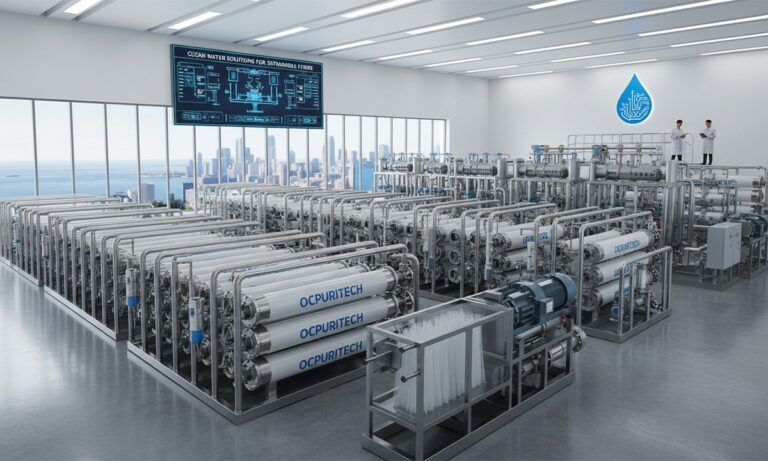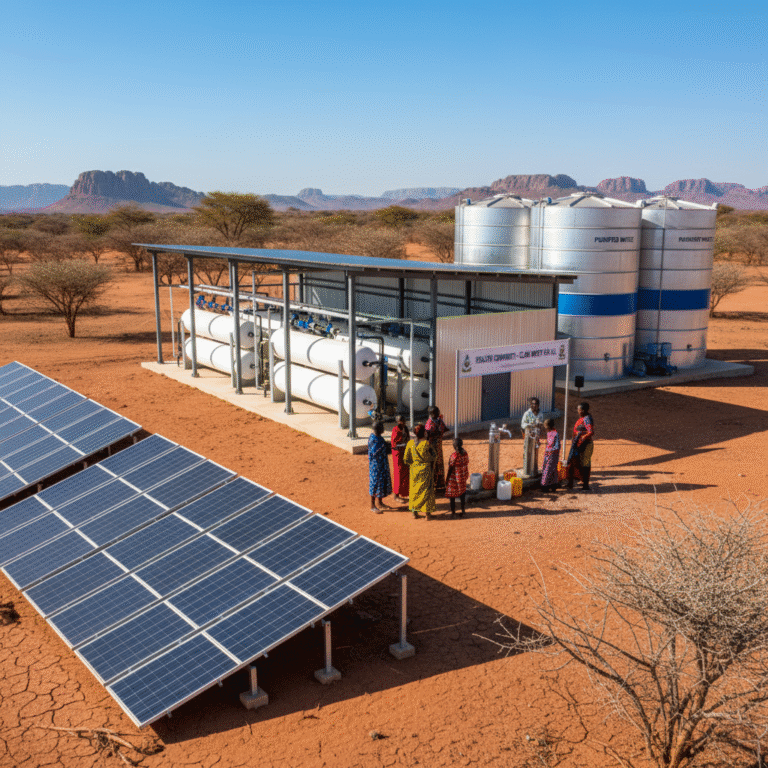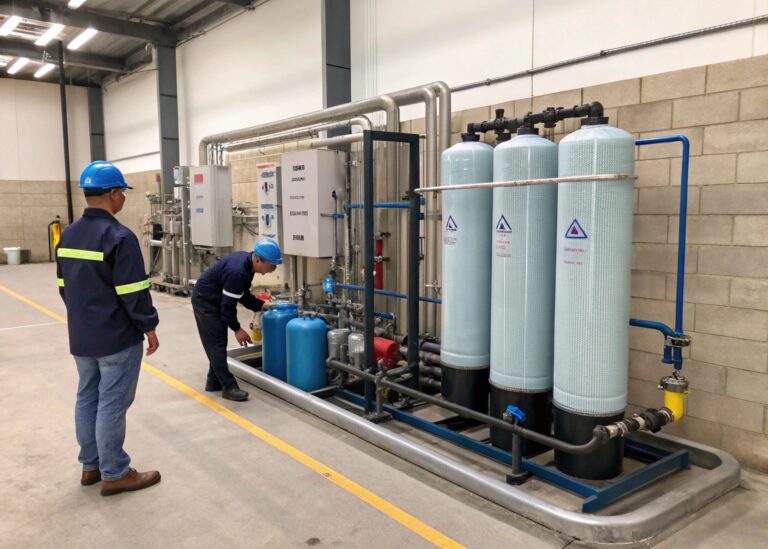
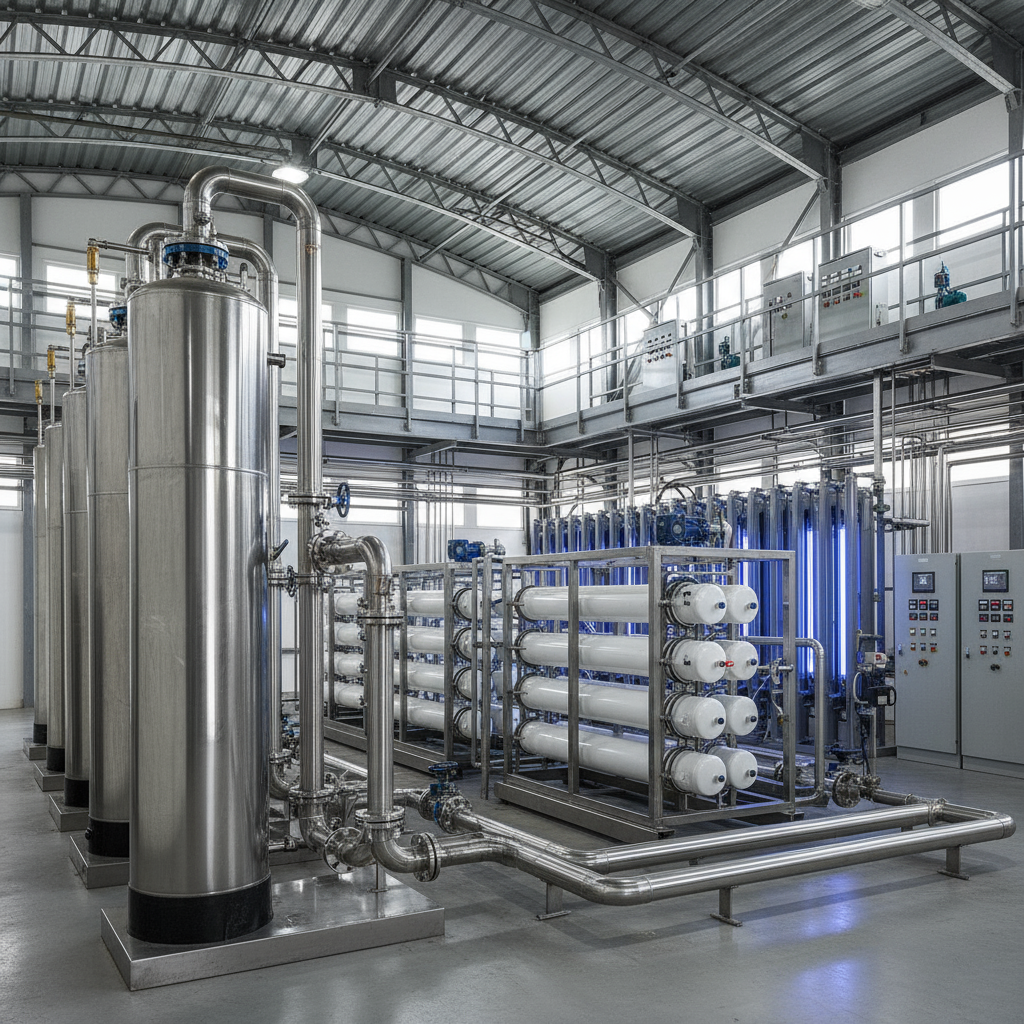
Efficient and reliable water treatment plants hinge on the effective integration of specialized machinery designed to guarantee water safety, purity, and compliance with quality standards. Understanding the machinery required for water treatment plant is essential for stakeholders across diverse sectors such as municipal utilities, mining, food processing, pharmaceuticals, cosmetics, laboratories, and industrial manufacturing.
1. Overview of Essential Water Treatment Machinery
Water treatment plants involve a spectrum of mechanical systems tailored to serve various applications — from producing ultrapure water for laboratories to treating raw water from rivers or wells for municipal or industrial use. The main categories include:
- Filtration units: Devices to remove suspended solids, turbidity, and contaminants.
- Softening systems: Machinery employing ion-exchange resins to reduce water hardness by eliminating calcium and magnesium ions.
- Disinfection systems: Ultraviolet (UV) lamps, chlorination units, and ozone generators to inactivate pathogens.
- Membrane technologies: Reverse osmosis (RO) modules and membrane bioreactors (MBR) that physically separate contaminants via selective permeable membranes.
- Distillation equipment: Systems that vaporize and condense water to remove dissolved ions and organic compounds.
- Ion exchange units: Systems targeting trace contaminants such as PFAS, hexavalent chromium, and radionuclides.
- Wastewater pretreatment and sludge management: Screens, grit removal units, sedimentation tanks, and advanced oxidation systems.
These machines are implemented individually or as integrated systems depending on the water source and treatment objectives. Industries such as mining deal heavily with sediment and metal removal, while food processing prioritizes disinfection and taste/odor correction.
2. Technical Principles and Key Components
The core of modern water treatment mechanisms relies on a combination of physical, chemical, and biological processes. Key technology highlights include:
- Membrane Separation: Reverse osmosis and MBR technology provide ultra-fine filtration by forcing water through semi-permeable membranes under pressure. RO membranes reject dissolved salts, organics, and microorganisms, ensuring high purity.
- Ion Exchange Resin Function: Softeners and advanced ion exchange equipment use cation or mixed-bed resins to selectively adsorb unwanted ions like calcium, magnesium, uranium, or PFAS compounds, improving water suitability for industrial uses.
- UV Disinfection: UV lamps emit germicidal wavelengths (~254 nm) that disrupt microbial DNA, effectively neutralizing bacteria, viruses, and spores without chemical residues.
- Automation and Control Systems: Modern plants deploy Programmable Logic Controllers (PLCs) and SCADA systems to monitor flow rates, pressure, chemical dosing, and equipment status in real time. This automation enhances reliability, reduces operational errors, and optimizes energy use.
For example, integration of automated backwash cycles in filtration tanks ensures continuous high-efficiency operation with minimal manual intervention.
3. Price Composition and Cost Analysis
The total capital expenditure for machinery in a water treatment plant varies with treatment complexity, plant capacity, and advanced features. A typical breakdown involves:
| Cost Component | Description | Proportion of Total Cost (Approx.) |
|---|---|---|
| Primary Treatment Systems | Screens, sedimentation units, filter beds | 30% |
| Membrane & Softening Equipment | RO modules, MBR units, ion exchange columns | 40% |
| Disinfection Machinery | UV systems, chlorination equipment | 10% |
| Automation & Control | PLC, sensors, dosing pumps | 10% |
| Installation & Commissioning | Labor, civil works, calibration | 10% |
Operating costs include consumables like membranes and chemicals, energy usage, periodic maintenance, and replacement parts. Investing in high-efficiency equipment with automated controls can reduce energy and labor expenses, delivering superior long-term returns.
4. Performance Specifications and Quality Assurance
The machinery deployed must comply with rigorous quality standards to ensure reliable water treatment results:
- Material Standards: Corrosion-resistant stainless steel, food-grade plastics, and certified resins are standard to ensure durability and non-contamination.
- Performance Indicators: Key metrics include filtration retention rates, membrane rejection percentages (generally > 99% for TDS), softening capacity measured in grains per gallon (GPG), and UV dose adequacy (mJ/cm²) for effective disinfection.
- Quality Certification: Equipment often adheres to NSF/ANSI certifications, AWWA standards, and meets requirements under ASSE/IAPMO codes for safety and efficacy.
Strict factory testing and on-site validation procedures, including pressure tests and microbiological assays, ensure equipment delivers promised performance throughout its service life.
5. Market and Application Scenario Analysis
Different water sources and regional characteristics dictate machinery selection and system architecture. Considerations include:
- Municipal Water: Often requires multi-barrier disinfection and filtration to handle volatile organics, turbidity, and microbial contaminants.
- Mining Industry: Heavy metal removal, sediment control, and neutralization of acidic drainage are priorities.
- Food and Beverage: Safe, taste-neutral water via softening and UV disinfection preserves product quality.
- Pharmaceuticals and Cosmetics: Ultrapure water production through RO and distillation ensures compliance with stringent purity standards.
- Laboratories: Require deionized or distilled water for sensitive experiments and analyses.
- Industrial Boiler Feed and Cooling: Scaling prevention with softeners and contaminant removal to enhance equipment lifespan.
Based on regional raw water data, plants integrate combinations of filtration, adsorption, membrane purification, and disinfection to meet local regulations and customer demands efficiently.
6. Case Studies: Real-World Implementation Insights
Case 1: Municipal Water Plant Upgrade in Southeast Asia
In this project, an existing water treatment facility was retrofitted with advanced RO and UV disinfection systems. Over an 18-month period, turbidity removal improved by 40%, microbial contamination was reduced below detectable limits, and operational costs fell by 15% due to energy-efficient pumps and automation. This upgrade led to enhanced public health outcomes and received commendation from local authorities.
Case 2: Mining Site Water Recycling System
At a copper mine in South America, membrane bioreactor technology was installed to treat wastewater for reuse in processing operations. The system achieved 85% water recovery, significantly reducing freshwater withdrawal. Softening units removed scaling agents, extending equipment service life. The client noted a 25% reduction in water procurement costs and improved environmental compliance over two years.
Case 3: Pharmaceutical Plant Ultrapure Water Production
A dedicated RO and distillation combination system was designed for a pharmaceutical manufacturer. The integrated automation maintains consistent flow and purity, achieving resistivity above 18 MΩ·cm. Downtime decreased by 40% due to predictive maintenance alerts. This system supports critical drug formulation processes.
7. Customized Solutions and Service Support
Tailored water treatment configurations are vital to accommodate unique feed water profiles and end-use objectives. Common customization aspects include:
- Pre-treatment modules such as multimedia filters or coagulation units to reduce loading on membranes.
- Post-treatment polishing steps like activated carbon filters for taste and odor removal.
- Flexible control systems to integrate remote monitoring and data logging.
- Turnkey installation packages including civil works, electrical integration, and commissioning.
- Comprehensive maintenance contracts featuring periodic membrane replacement, chemical dosing system calibration, and emergency support.
Such personalized approaches enhance operational reliability and maximize return on investment.
8. Manufacturer Credentials and Collaboration Strengths
Leading manufacturers of industrial water treatment machinery demonstrate robust technological expertise validated through:
- Compliance with updated NSF/ANSI and AWWA standards, ensuring product reliability and safety.
- Global project deployments with documented performance benchmarks.
- Research and development initiatives focused on energy reduction and system automation.
- Strong after-sales service networks supporting spare parts logistics and technical training.
Partnering with trusted suppliers mitigates risks associated with downtime and regulatory non-compliance, providing clients peace of mind.
9. Comprehensive Conclusions and Investment Recommendations
The selection and integration of the right machinery required for water treatment plant directly influence water quality, operational stability, and cost efficiency. Key takeaways for maximizing investment value include:
- Prioritize equipment certified to recognized standards like NSF/ANSI 55 and AWWA B104 to ensure safety and performance.
- Incorporate automation controls to reduce labor costs and improve responsiveness.
- Consider life-cycle cost analysis, including energy consumption and maintenance, rather than just upfront price.
- Leverage modular designs to facilitate future scalability and upgrades.
- Engage experienced technical partners offering tailored designs and strong aftercare services.
In summary, investing in reliable, certified machinery coupled with proven operational strategies enables water treatment plant operators to meet regulatory requirements, protect public health, and optimize long-term asset value.
References:
– NSF International – NSF Standards for Water Treatment Systems
– ANSI – Treatment Standards
– American Water Works Association (AWWA) Standards
– Working Pressure Magazine – ASSE/IAPMO Water Treatment Standards and Codes