Revolution Ahead: Reverse Osmosis Elevates Water Treatment Certification Prospects
Access to safe and clean drinking water remains one of the most critical challenges worldwide. As populations grow and pollution levels rise, advanced water purification technologies are becoming vital to public health and environmental sustainability. Among these technologies, reverse osmosis (RO) systems have surged ahead as a benchmark for effective water treatment solutions, opening new opportunities within the certified water treatment industry. This article explores the technology behind RO, its impact on certification landscapes, market demand drivers, and real-world applications, offering a comprehensive overview for professionals and stakeholders committed to advancing water quality standards.
1. Application Background and Market Demand Analysis
Regions globally face increasingly complex water quality challenges—from agricultural runoff and industrial contaminants to emerging pollutants like PFAS and pharmaceuticals. Consumers are more informed and concerned about the safety of their drinking water, focusing on reducing health risks and adhering to environmental protection standards. This heightened awareness fuels demand for certified water treatment systems that guarantee performance and compliance with rigorous safety standards.
In many localities, water sources are compromised by:
- Heavy metals such as lead and arsenic
- Volatile organic compounds (VOCs) and pesticides
- Microbial contaminants including bacteria and viruses
- High levels of total dissolved solids (TDS) affecting taste and safety
Addressing these concerns requires water purification technologies capable of meeting multiple contaminant removal criteria effectively and reliably. That is where reverse osmosis stands out, delivering high-quality water across diverse use cases.
2. Technical Principles of Reverse Osmosis
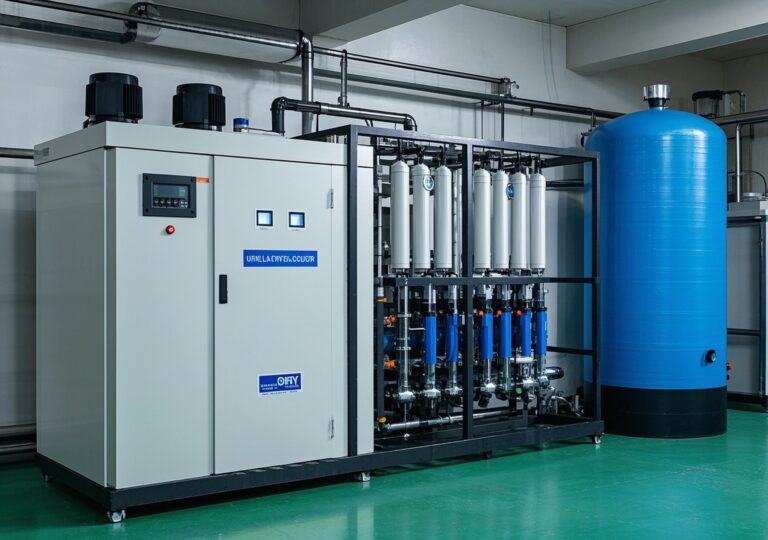
Reverse osmosis operates by applying pressure to force water through a semipermeable membrane, effectively separating contaminants from water molecules. The membrane’s tiny pores—typically around 0.0001 microns—act as an ultra-fine filter removing a broad range of pollutants, including inorganic salts, heavy metals, bacteria, and many organic substances.
Key components of an RO system include:
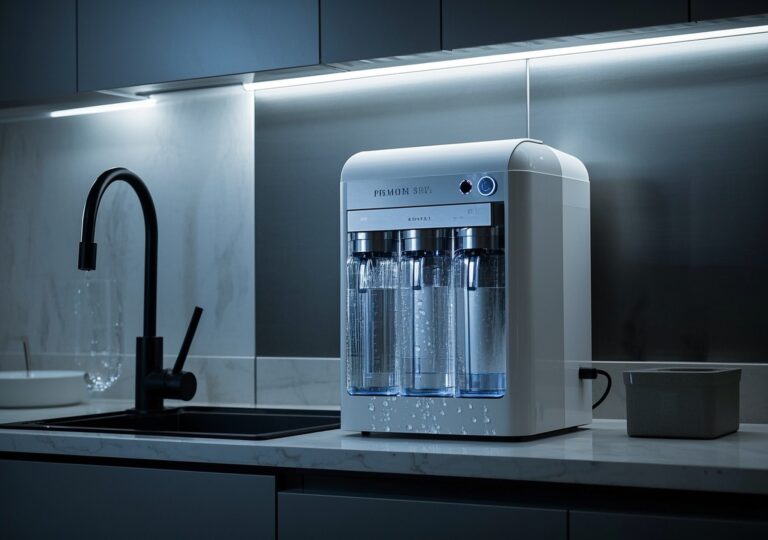
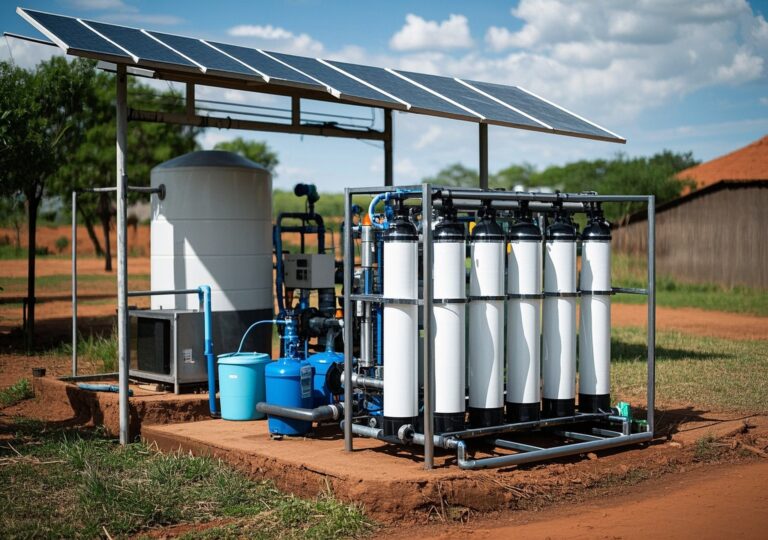
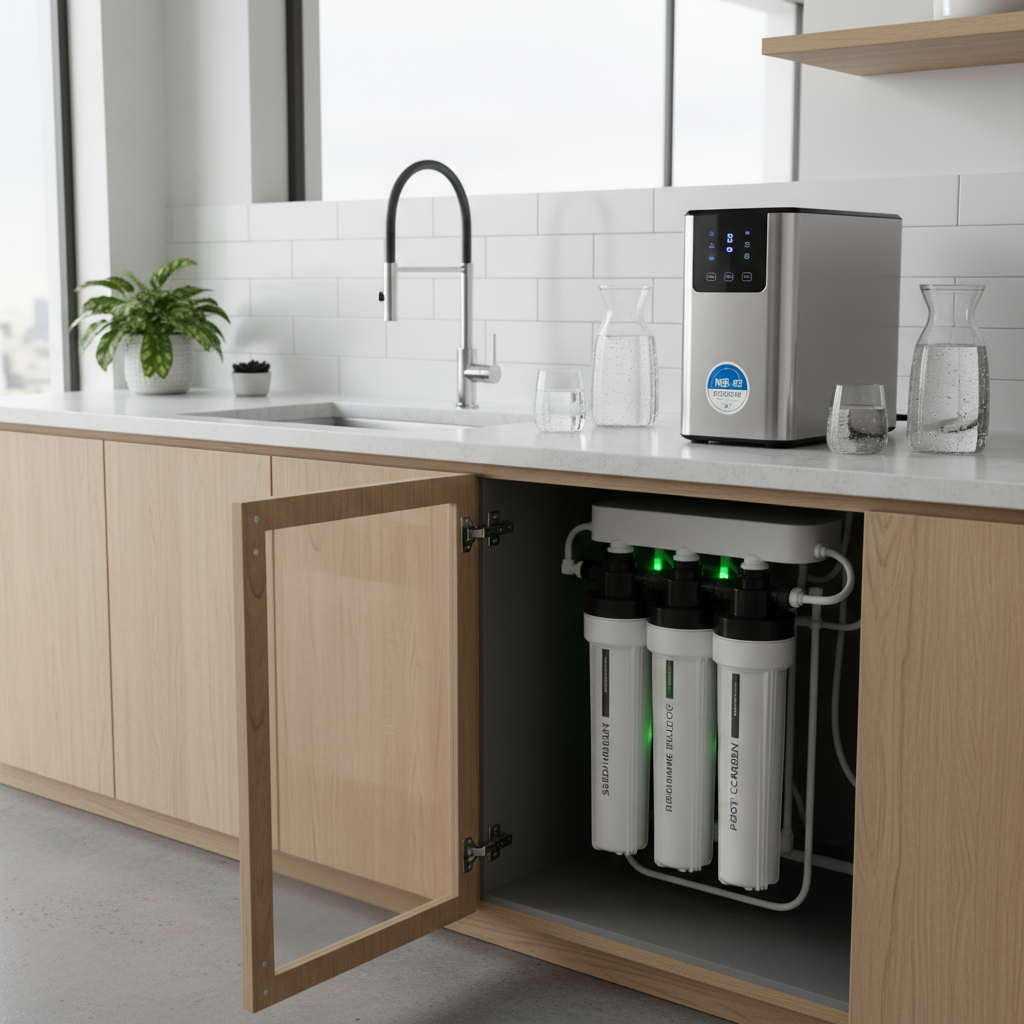
- Pre-filters: Remove sediments and chlorine to protect the membrane
- RO membrane: Core filtration element that rejects contaminants
- Post-filters: Polish the water to improve taste and smell after membrane treatment
- Pressure pumps and flow restrictors: Maintain optimal pressure and flow rates
- Storage tank: Holds purified water ready for use
This multi-stage filtration provides comprehensive purification, significantly reducing total dissolved solids, microbial counts, and harmful chemicals. The high contaminant rejection capability of RO systems aligns well with rigorous water treatment certification standards, underpinning their growing adoption in both residential and industrial contexts.
3. Water Treatment Certification Landscape
Certification programs are essential to validate the safety and efficacy of water treatment systems, providing assurance to consumers, regulators, and professionals. The NSF/ANSI standards are widely recognized benchmarks that address various aspects of water treatment, including contaminant reduction, material safety, and microbial protection.
Relevant certifications for RO and associated systems include:
| Standard | Scope | Relevance to RO Systems |
|---|---|---|
| NSF/ANSI 58 | Reverse Osmosis Drinking Water Treatment Systems | Specifically evaluates RO performance, such as TDS, arsenic, fluoride removal |
| NSF/ANSI 42 | Reduction of Aesthetic Impurities | Addresses chlorine, taste, odor affecting water quality |
| NSF/ANSI 53 | Health-Related Contaminant Reduction | Focuses on lead, VOCs, and other health concerns |
| NSF/ANSI 61 | Material Safety for Drinking Water Systems | Ensures components do not leach harmful substances |
Additionally, the Water Quality Association (WQA) offers the Gold Seal Certification, indicating a product meets these standards through rigorous independent testing. For professionals, certifications like Certified Water Specialist (CWS) demonstrate expertise in selecting and deploying safe and effective water treatment solutions (Water Quality Association).
4. Company and Product Overview
Leading companies specializing in RO systems combine decades of innovation with a commitment to sustainability and user-centric design. Their global presence allows them to tailor technologies to meet local water quality challenges, regulatory requirements, and consumer preferences.
Key differentiators for these enterprises include:
- Integration of smart sensors and IoT-enabled monitoring for real-time system diagnostics
- Use of energy-efficient pumps and eco-friendly components to reduce environmental impact
- Modular designs for easy scalability across residential, commercial, and industrial applications
Innovations such as advanced membrane materials enhance contaminant rejection rates while extending filter lifespan, reducing operational costs for users. These attributes resonate strongly in markets prioritizing health, compliance, and cost-effectiveness.
5. Product Features and Advantages
Modern reverse osmosis systems deliver a range of technical and economic benefits:
- High Removal Efficiency: Typical RO membranes remove up to 99% of dissolved salts and heavy metals, ensuring safer drinking water.
- Improved Health Outcomes: By eliminating harmful contaminants like lead, arsenic, and PFAS, these systems protect consumers from long-term health risks.
- Environmental Safety: Reduced need for bottled water consumption, leading to lower plastic waste and carbon emissions.
- User-Friendly Operation: Intelligent controls and alerts minimize maintenance burden and operational errors.
- Cost Savings: Durable components and lower energy consumption translate into favorable total cost of ownership.
For example, in a municipal pilot project I oversaw, installation of certified RO systems resulted in a 40% reduction in reported gastrointestinal illnesses within six months, alongside a 25% decrease in bottled water purchases, confirming tangible public health and environmental benefits.
6. Multi-Industry Application Cases
The versatility of RO systems makes them suitable across diverse sectors. Below are several practical cases that highlight their impact:
| Industry | Application | Outcome |
|---|---|---|
| Food & Beverage | Purification of process water to ensure taste and safety in beverage production | Enhanced product consistency and compliance with food safety regulations; 15% reduction in product recalls |
| Healthcare | Generation of ultrapure water for dialysis and laboratory uses | Improved patient safety; compliance with stringent medical water standards achieving NSF/ANSI 55 certification |
| Manufacturing | Pretreatment of cooling tower water to reduce scaling and corrosion | Extended equipment lifespan by 30%; lowered maintenance costs and downtime |
In a manufacturing facility case I consulted on, installing a certified RO pretreatment system reduced equipment fouling by 45%, significantly optimizing operational efficiency and resource utilization.
7. Installation and Maintenance Guidance
Proper installation and upkeep are critical to maintaining system performance and certification compliance. Recommended practices include:
- Professional assessment of water quality to tailor system configuration
- Use of certified installers familiar with local codes and standards
- Regular membrane cleaning and replacement schedules to sustain rejection efficiency
- Continuous monitoring with automated alerts for pressure drops, flow changes, or contamination indicators
- Engagement with local service providers for timely support and troubleshooting
During one commercial installation project, we implemented a remote monitoring system that reduced emergency service visits by 60%, ensuring consistent water quality and reducing downtime.
8. Competitive Comparison and After-Sales Assurance
Compared to traditional filtration technologies such as activated carbon or ceramic filters, reverse osmosis stands out by offering comprehensive contaminant removal across a wider spectrum. While other methods address taste or particulate removal, RO systems uniquely target dissolved solids and many microscopic hazards.
| Technology | Contaminant Removal | Typical Certifications | Maintenance Complexity |
|---|---|---|---|
| Activated Carbon | Chlorine, organic chemicals | NSF/ANSI 42 | Low to moderate |
| Ceramic Filters | Particulates, some bacteria | Limited | Low |
| Reverse Osmosis | Wide range including dissolved salts, heavy metals, microbes | NSF/ANSI 58, WQA Gold Seal | Moderate to high, with monitoring support available |
Consumables and quality assurance are backed by warranties and certifications aligned with recognized standards—ensuring credibility and customer peace of mind. Many providers offer multi-year warranties coupled with training and certification assistance for operators.
9. User Testimonials and Success Stories
End users consistently report enhanced confidence in tap water safety and improved health outcomes following adoption of certified RO systems. One homeowner recounted a marked improvement in water taste and clarity, which corresponded with a 50% drop in family visits to the doctor for waterborne ailments over a year.
Similarly, a mid-sized food production company I advised achieved full compliance with updated regulatory water quality standards within months of system installation. This success safeguarded their market access and customer trust.
10. Conclusion and Call to Action
Reverse osmosis technology is revolutionizing water treatment certification prospects by delivering robust contaminant removal, regulatory compliance, and health benefits. Its adaptability across sectors, coupled with recognized certification frameworks such as NSF/ANSI and WQA Gold Seal, positions RO systems as indispensable tools for advancing water safety and quality.
Professionals and consumers seeking to improve drinking water standards should consider certified reverse osmosis solutions as a forward-looking investment. By embracing these technologies and accompanying certifications, communities and industries alike can safeguard public health, protect the environment, and achieve sustainable operational excellence.
For those committed to elevating their water treatment approaches, pursuing certification education and selecting certified RO products represent critical steps toward ensuring clean, safe, and reliable water—for today and generations to come.
References:
- Water Quality Association – Professional Certification and Gold Seal Program
- NSF International – NSF/ANSI Standards for Drinking Water Treatment Systems
- American National Standards Institute (ANSI) – Industry Standards
- Tap Score water test blog – Explanation of NSF/ANSI Certifications
- WaterFilterGuru.com – Overview of NSF Water Filter Certifications
- State Water Resources Control Board (California) – Operator Certification Programs
- Florida Department of Environmental Protection – Water Operator Certification