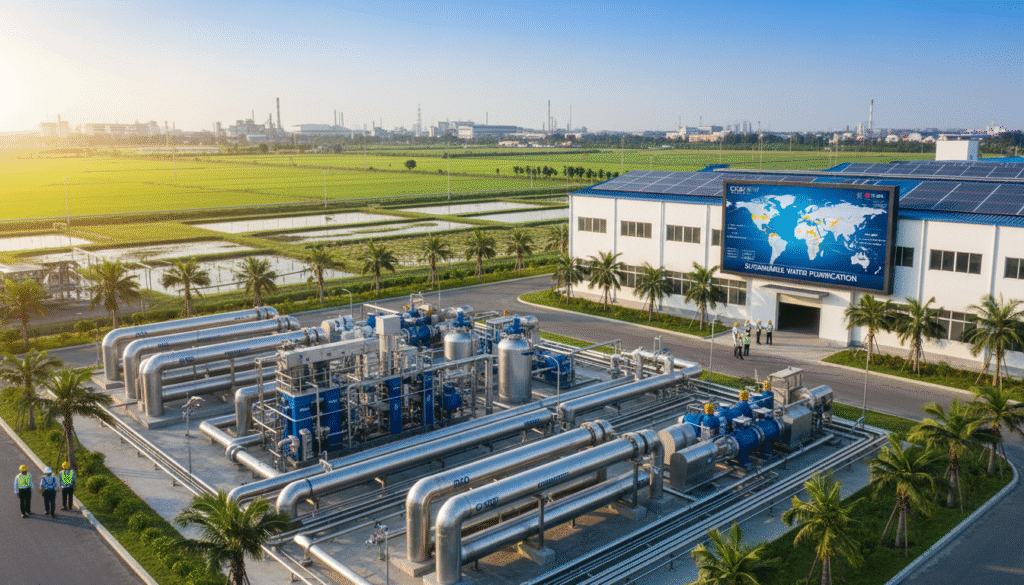
In today’s industrial landscape, the role of the water treatment operator has evolved into a critical driver of sustainable change. This professional blends practical expertise with cutting-edge technologies to optimize water purification, reduce environmental footprints, and support industrial growth. As global industries face stringent environmental regulations and rising water scarcity, the operator’s effectiveness significantly influences operational efficiency and ecological outcomes.
Understanding the Water Treatment Operator’s Strategic Role

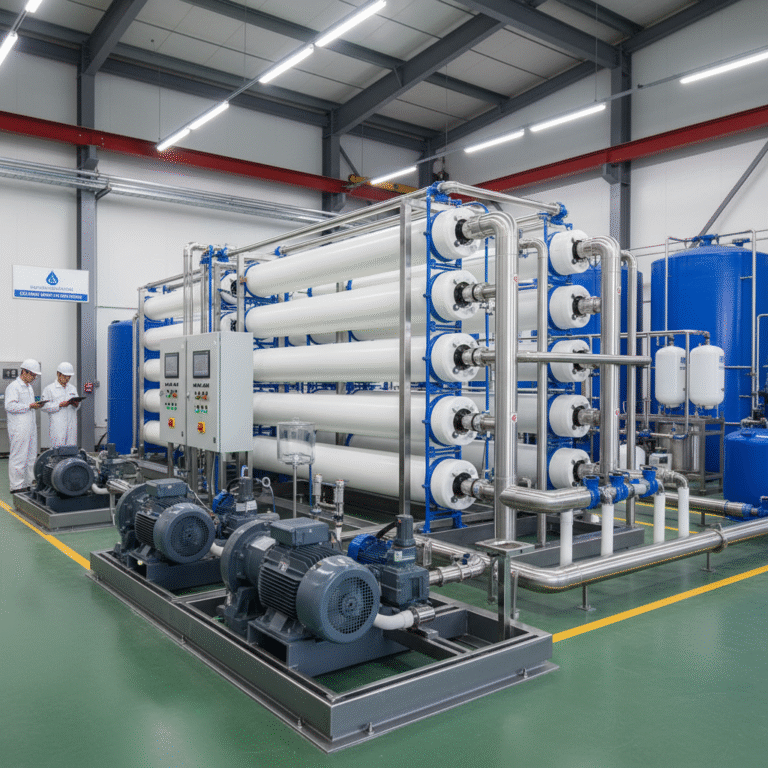
A water treatment operator is responsible for managing, monitoring, and adjusting water purification processes in industrial settings. Their expertise ensures that equipment such as reverse osmosis (RO) units, ultrafiltration (UF) systems, and ion exchange assemblies perform optimally to meet water quality standards and production requirements.
In my experience working on a large-scale pharmaceutical manufacturing water system, operators calibrated pretreatment parameters to prevent membrane fouling, reducing downtime by 20%. This adjustment alone led to a 15% reduction in chemical use and extended membrane lifespan, demonstrating how operator interventions can drive both environmental and economic benefits.
Senior operators focus on integrating energy-efficient practices without compromising treatment efficacy. Pumps, a significant energy consumer, are operated based on real-time demand, aligning with best practices highlighted by energy performance studies, resulting in up to 30% energy savings in some installations.
Advanced Technologies Empowering Water Treatment Operators

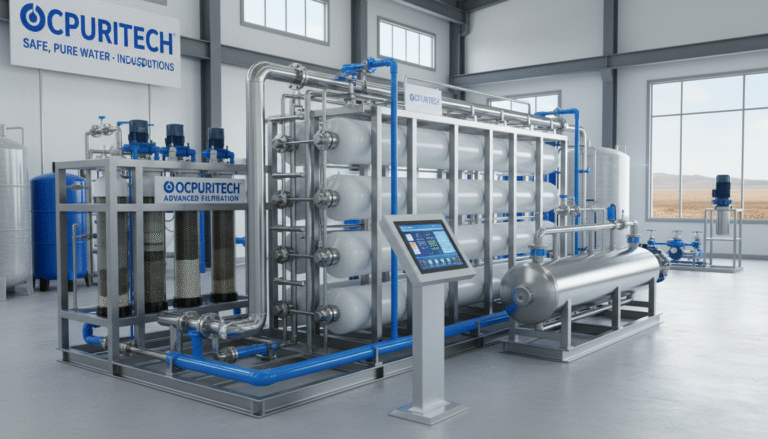
Modern industrial water treatment increasingly incorporates sophisticated technologies allowing operators to optimize processes. Ultrafiltration, nanofiltration, and reverse osmosis form the core of advanced membrane technology. These systems enhance pretreatment stages, removing suspended solids and contaminants effectively, as well as enabling water reuse strategies that minimize discharge volumes.
An operator I collaborated with implemented a Minimum Liquid Discharge (MLD) system using ultrafiltration pre-treatment, which reduced wastewater output by approximately 40%, aligning with global sustainability targets. Such deployment relies on operator vigilance for balance between treatment efficacy and energy use, often guided by real-time control systems.
Moreover, integrating ion exchange methods alongside membrane technologies enables the production of ultrapure water necessary for sensitive industries, such as pharmaceuticals and electronics. Operators trained in these hybrid systems ensure compliance with exacting purity standards while curbing chemical consumption.
Sustainability and Environmental Impact Mitigation

The environmental responsibility of water treatment operators extends beyond process control to actively minimizing ecological footprints. Technologies such as real-time water quality monitoring and automated chemical dosing controllers enable precise parameter adjustment, which significantly reduces chemical usage and excess water waste.
For example, in a textile dyeing plant, operational enhancements led by skilled operators cut chemical use by 35% and reduced water consumption by nearly 25%. These changes contributed to lower greenhouse gas emissions and compliance with increasingly tight discharge regulations.
According to research, pumping systems account for the majority of energy consumption in treatment facilities. Operators adopting renewable energy sources such as solar-powered pumps or operational scheduling to reduce peak energy demand bolster sustainability efforts. The growing trend in integrating these green technologies reflects a broader industrial shift toward environmental stewardship energy and environmental impact.
Operational Excellence: Real-World Experience and Outcomes
Drawing from over a decade of frontline experience with industrial water treatment equipment, I have witnessed the transformative impact of operator expertise on process optimization.
- In a remote controlled reverse osmosis system within the food and beverage sector, operators enhanced the membrane cleaning schedule, decreasing fouling incidents by 30%, thus improving uptime and reducing operational costs.
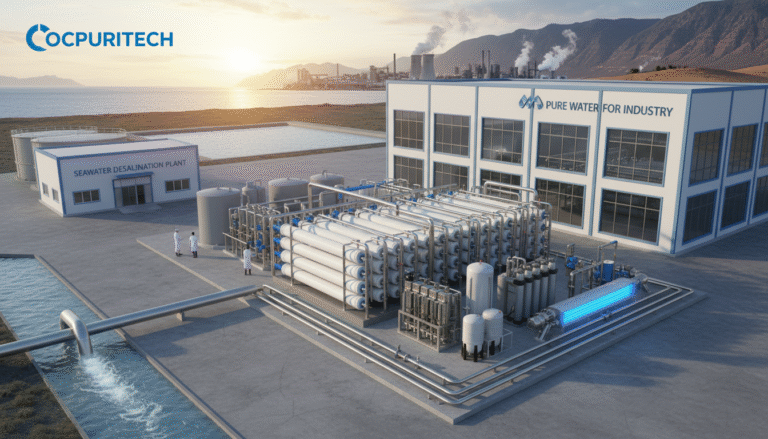
- In a seawater desalination project, effective pretreatment management by operators minimized scaling issues, prolonging membrane life by over 18 months beyond expected benchmarks.
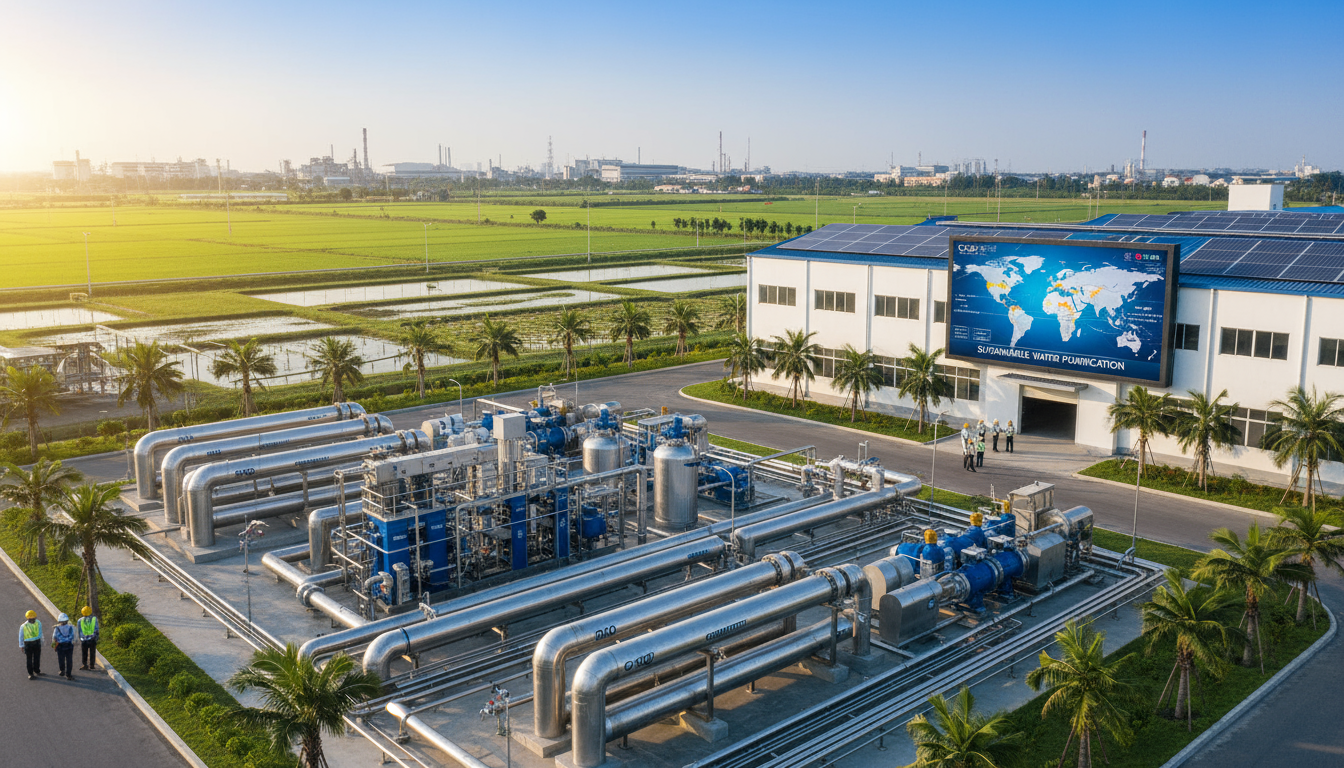
- At a municipal wastewater reuse plant critical for agricultural irrigation, operators adjusted chemical dosage using automated controllers, cutting chemical consumption by 22%, contributing significantly to cost savings and environmental protection.
These examples underscore the direct influence of skilled operators in advancing sustainability agendas while maintaining industrial productivity.
Market Trends and the Institutional Role of Operators
The industrial water purification sector is enjoying robust growth, with markets projected to expand significantly in regions such as Southeast Asia, Africa, and South America. The global industrial water treatment market is projected to reach USD 81.4 billion by 2035, fueled by rapid industrialization and environmental regulations market growth forecast.
Water treatment operators in these fast-grow economies face unique challenges due to the diversity of water sources and varying industrial requirements. Advanced training and real-time monitoring capabilities empower operators to meet these challenges with agility. Manufacturers of water purification equipment have been responding by equipping operators with smart control systems to manage complex processes seamlessly.
Attention to operator skill development is emerging as a competitive advantage for industrial firms looking to reduce costs and improve compliance. The success of companies offering remote-controlled RO and integrated water treatment solutions has highlighted the indispensable role of technically proficient operators in achieving sustainability goals.
Conclusion
In sum, the water treatment operator stands at the intersection of technology, environmental responsibility, and industry efficiency. Their expertise ensures the optimal operation of new and evolving water treatment technologies, enabling industries to not only meet regulatory standards but also to advance sustainable water management practices. Drawing from both advanced membrane technologies and sustainable operation strategies, operators are instrumental in driving global industrial change toward resource conservation and ecological balance.
Companies focusing on providing comprehensive water purification solutions equip operators with highly automated and smart systems. This synergy between human skill and technology is the most promising path forward for achieving scalable and sustainable industrial water treatment.
FAQ: Water Treatment Operator & Sustainable Industrial Water Management
Q1: What are the main responsibilities of a water treatment operator?
The operator manages, monitors, and adjusts industrial water treatment systems, ensuring optimal equipment performance and compliance with water quality standards.
Q2: How do water treatment operators contribute to environmental sustainability?
Operators minimize chemical use, enhance energy efficiency through real-time controls, and optimize processes that reduce water waste and emissions.
Q3: Which technologies are essential for modern water treatment operators?
Key technologies include reverse osmosis, ultrafiltration, nanofiltration, ion exchange, and automation systems for precise control.
Q4: What skills are important for water treatment operators?
Operators need technical proficiency, process optimization expertise, problem-solving ability, and familiarity with control system technologies.
Q5: How do water treatment operators impact industrial cost savings?
By enhancing equipment efficiency and reducing chemical and energy consumption, operators can significantly cut operational expenses.
Q6: Why is pretreatment important in industrial water purification?
Pretreatment removes contaminants before main treatment, protecting membranes and improving overall system longevity and performance.
Q7: Can renewable energy be integrated into water treatment operations?
Yes, renewable power sources like solar or wind can reduce the carbon footprint of treatment plants when managed by skilled operators.
Q8: How is operator training evolving in the water treatment industry?
Training increasingly incorporates digital tools, remote monitoring, and sustainability-focused practices to equip operators for modern challenges.
Q9: What challenges do operators face in emerging markets?
The variability of water sources, infrastructure limitations, and regulatory pressures demand adaptable and innovative operational approaches.
Q10: How does industry trend impact the future role of water treatment operators?
Growing industrialization and environmental regulation elevate the operator’s role in driving sustainable, cost-effective water management at scale.