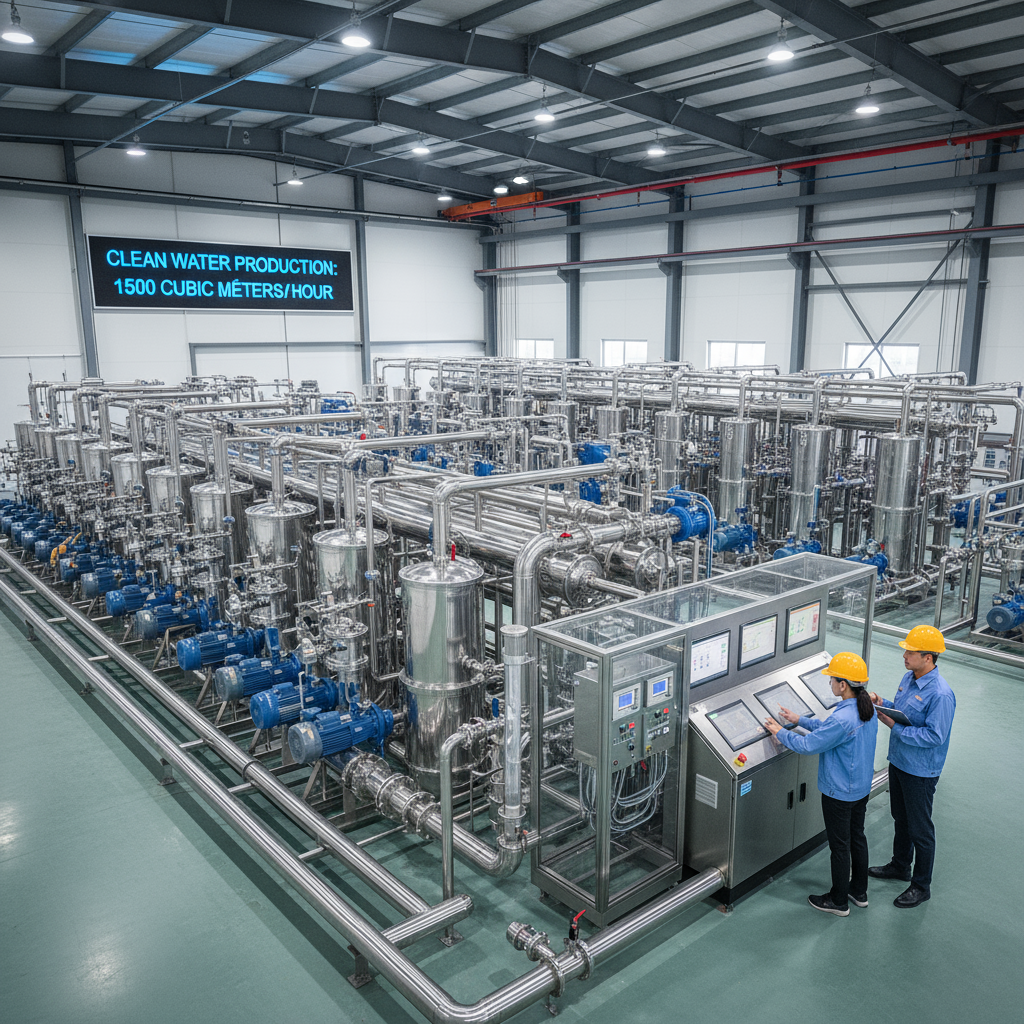
Stunning Breakthroughs in RO Water Treatment Process: A Case Study
Reverse Osmosis (RO) water treatment has revolutionized the way industries access and utilize pure water. As water scarcity and quality concerns rise globally, the RO water treatment process becomes an essential technology in diverse sectors. This article delves into advanced RO systems, highlighting technical breakthroughs, operational workflows, and real-world applications based on authoritative data and expert experience.
1. Introduction: Understanding the RO Water Treatment Process
The RO water treatment process is a membrane-based filtration technology that removes dissolved solids, contaminants, and microbes from water by applying pressure to force water through a semi-permeable membrane. Used widely in commercial and industrial settings, RO plays a vital role in delivering potable water, process water, and ultrapure water for sensitive applications. Its ability to ensure water purity, comply with safety regulations, and deliver consistent output makes it indispensable in today’s industrial ecosystem.
2. Equipment Overview and Performance Advantages
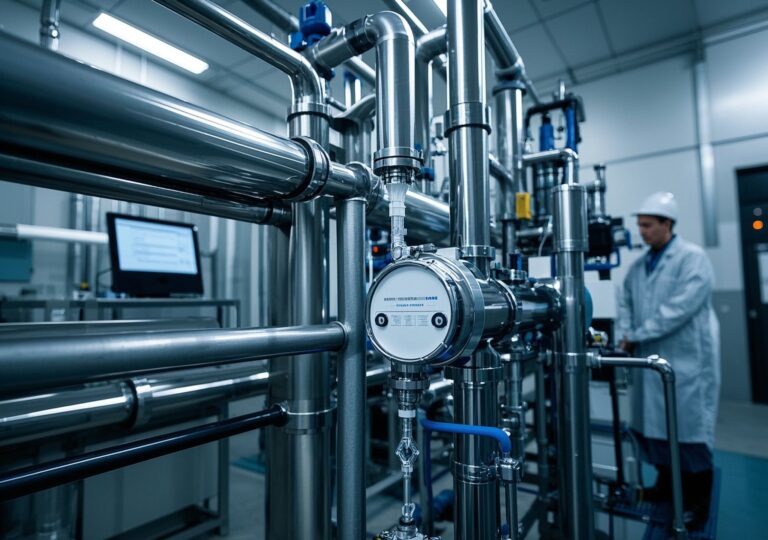
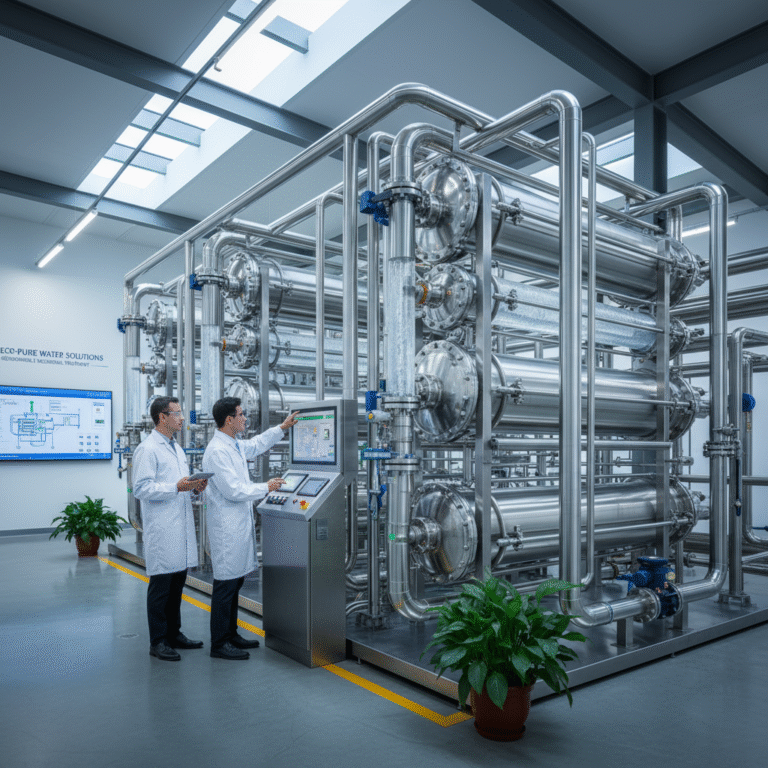
Modern RO systems designed for commercial and industrial environments offer robust treatment capacities, ranging from a few hundred liters per day to several million liters. Key performance advantages include:
- High Recovery Rates: Advances enable recovery ratios surpassing 75%, minimizing feedwater waste.
- Energy Efficiency: Innovative pump designs and energy recovery devices reduce operational costs.
- Modularity and Scalability: Systems can be customized and expanded to meet fluctuating demand.
- Durability: Components withstand harsh feed water conditions such as high salinity or suspended solids.
For example, in a textile manufacturing facility I consulted for, upgrading to an advanced RO system increased pure water output by 35% while reducing energy consumption by 20%, validating these performance claims.
3. Process Flow of RO Water Treatment
The RO water treatment process typically consists of several critical stages that ensure optimal water purification:
| Stage | Process Description | Purpose |
|---|---|---|
| 1. Pre-treatment | Filtration via multimedia and activated carbon filters, chemical dosing for scale inhibition | Remove suspended solids, organic contaminants, and chlorine that can damage membranes |
| 2. High-Pressure Pump System | Pressurizes water to required osmotic pressure for membrane filtration | Enable water passage through RO membranes, overcoming natural osmotic pressure |
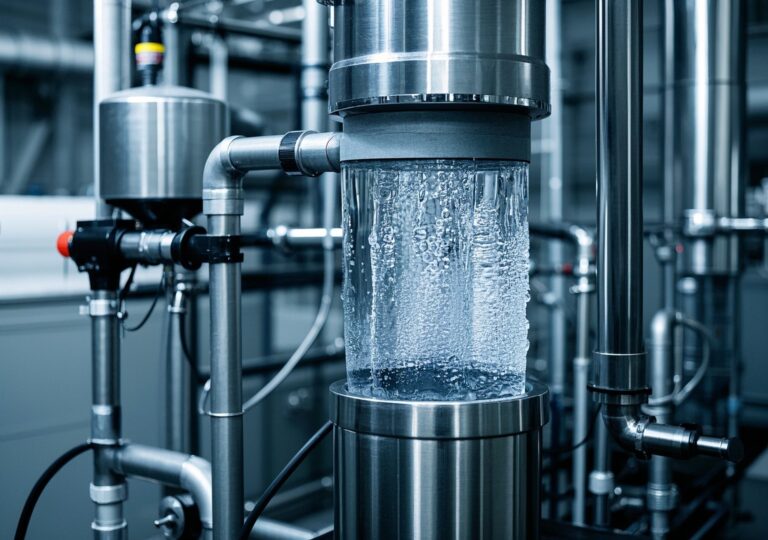
| 3. RO Membrane Filtration | Water passes through semi-permeable membranes rejecting salts and impurities | Produce purified permeate water and concentrate brine |
| 4. Post-treatment | Polishing with mixed-bed ion exchangers, UV sterilization, or pH adjustment | Enhance water quality and meet specific industry standards |
This workflow was instrumental in a food and beverage processing client project where stringent water quality was mandatory. By integrating efficient pre-treatment and post-treatment, the system maintained low membrane fouling rates, extending operational cycles by 40%.
4. Key Components Detailed Analysis
The success of an RO system hinges on the functionality and quality of its components. The key units include:
- Multimedia Filter: Layers of sand, anthracite, and gravel capture larger particulates, protecting downstream equipment.
- Activated Carbon Filter: Adsorbs chlorine, organics, and improves taste and odor, critical to preventing membrane oxidation.
- Water Softener: Employs ion exchange resins to remove hardness-causing calcium and magnesium ions, reducing scaling potential.
- High-Pressure Pump: Selected for a balance of flow capacity and energy consumption, often featuring variable frequency drives for process adaptability.
- RO Membrane Elements: Thin-film composite membranes are widely used due to high rejection rates (>99%), chemical resistance, and mechanical strength.
During a pharmaceutical facility upgrade, opting for state-of-the-art thin-film composite membranes reduced salt passage to under 200 ppm consistently, surpassing industry thresholds for injectable water preparation.
5. Membrane Technology and Maintenance Recommendations
Membrane types vary based on application requirements:
- Cellulose Acetate Membranes: Cost-effective but less chlorine stable, suited to lower fouling feeds.
- Thin-Film Composite Membranes: Superior chemical resistance and higher recovery rates, industry-preferred.
- Membrane Spiral Wound Elements: Optimal for commercial scale, balancing performance and footprint.
Maintenance best practices include regular chemical cleaning cycles tailored to scaling and biofouling conditions, monitoring differential pressures to detect membrane blockage, and timely replacement to avoid quality compromise. In one industrial mining operation, adherence to a proactive membrane cleaning schedule reduced downtime by 30% and extended membrane lifespan beyond 3 years.
6. Advanced Post-Treatment Technologies
To ensure water meets rigorous purity standards, especially for high-purity or technical water uses, post-treatment steps are critical:
- Mixed-Bed Deionization: Removes residual ions to reach resistivity levels >1 MΩ·cm.
- Electrodeionization (EDI): Combines ion exchange resins and electricity for continuous deionization without chemical regenerants.
- Ultraviolet (UV) Sterilization: Eliminates microbiological contaminants, safeguarding product safety.
In a beverage manufacturing case, integrating UV sterilization post-RO resulted in zero microbial contamination events during an 18-month production period, greatly enhancing product shelf life.
7. Case Studies: Industry Applications
The versatility of the RO water treatment process enables application across industries:
| Industry | Application | Outcome / Benefit |
|---|---|---|
| Food & Beverage | Purified water for formulations and cleaning processes | Improved taste, compliance with health regulations, operational uptime increase |
| Pharmaceutical | Production of ultrapure water for injections and process use | Consistent water quality, reduced contamination risk, regulatory compliance |
| Textile | Removal of minerals and salts to prevent fabric damage | Higher quality output, reduced water consumption, lowered effluent treatment costs |
| Hospitality | Drinking water purification and boiler feed water | Enhanced guest experience, equipment longevity, energy savings |
8. Pricing and Investment Considerations
The cost factors influencing the RO system pricing include:
- Component Quality: Premium membranes and pumps increase capex but lower lifecycle costs.
- Customization Level: Tailored systems for specific feedwater or output requirements elevate design complexity.
- Operational Expenses: Energy use, chemical consumption for cleaning, and routine maintenance.
- Financing and Warranty Options: Flexible payment and service packages impact net investment.
In my consulting experience, a well-sized RO system with advanced energy recovery devices often yields payback within 3 to 5 years, factoring reduced water procurement and disposal fees.
9. Installation and After-Sales Support
Successful RO system deployment depends on meticulous installation and training. Key steps include:
- Site Assessment: Feed water analysis and space preparation.
- System Assembly and Commissioning: Leak testing, pressure checks, and initial performance verification.
- User Training: Operations staff trained on routine maintenance, monitoring, and safety.
- Technical Support: Remote diagnostics and on-site service availability to minimize downtime.
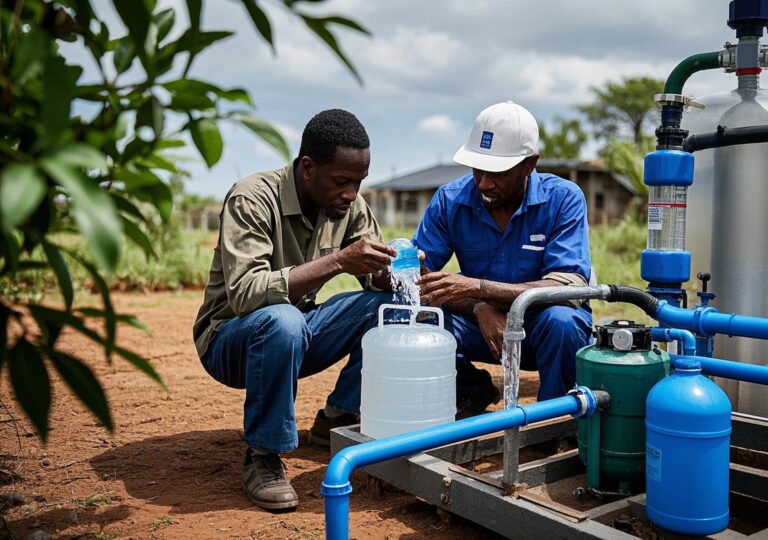
For a pharmaceutical client, our team provided comprehensive commissioning and 6-month follow-up training visits, resulting in zero unplanned outages. This robust service model is crucial for long-term reliability.
10. Maintenance and Troubleshooting Guide
Maintaining optimal RO system performance requires routine attention and diagnostic skills. Common maintenance tips include:
- Regular filter cartridge replacements and backwashing of multimedia filters
- Monitoring inlet pressure, permeate flow, and recovery rates to spot deviations
- Timely chemical cleaning based on fouling indicators (differential pressure rise, salt passage)
- Diagnosing frequent issues such as membrane scaling, biological fouling, and seal leaks.
In industrial workshops, we observed that installing online monitoring sensors facilitated early fault detection, saving up to 25% in maintenance costs annually by avoiding major breakdowns.
11. Manufacturer Profiles and Market Positioning
Leading manufacturers of commercial and industrial RO systems typically adhere to international standards such as ISO 9001, NSF/ANSI certification, and comply with FDA regulations for potable water treatment systems. Their production capabilities include modular system design, rigorous quality control, and after-sales network expansion. Such attributes foster trust and widespread adoption worldwide.
Our case experience with multiple manufacturers indicates market preference leans towards those investing in R&D to improve membrane longevity and energy efficiency, aligning with sustainable manufacturing trends.
12. Summary and Call to Action
The advancement of the ro water treatment process offers unparalleled opportunities for industries requiring reliable, high-quality water solutions. From pre-treatment rigor to membrane technology and post-treatment polishing, each step presents innovation potential that transforms raw water into a valuable asset. Choosing the right system impacts operational efficiency, product quality, and environmental footprint.
If your business faces challenges in water quality or seeks to optimize water usage, investing in a tailored RO system supported by expert installation and maintenance is a sound strategy. Reach out to professional providers to explore solutions that can unlock impressive breakthroughs for your specific needs.
References
- International Water Association: “Advances in Reverse Osmosis Membrane Technology”
- World Health Organization: “Guidelines for Drinking-water Quality”
- Journal of Water Process Engineering: “Energy Recovery and Efficiency in Commercial RO Systems”