The escalating global demand for clean water, coupled with increasing pollution and climate change, underscores the critical importance of advanced water treatment plant technologies. These innovations are not merely about providing potable water; they are fundamental to safeguarding our ecosystems and ensuring environmental safety. From industrial applications to municipal supplies, effective water treatment is pivotal for sustainability.
The water treatment plant sector is experiencing unprecedented growth, driven by an urgent need for sustainable freshwater sources. In an era where water scarcity is a growing concern, the development and deployment of sophisticated water treatment systems are more vital than ever. As an expert in this field, I’ve witnessed firsthand how these technologies transform wastewater into reusable resources and make previously unusable water sources, like seawater, viable. My insights come from years of working with diverse projects, from small-scale community systems to large industrial installations, always focusing on environmental impact and operational efficiency.
1. Introduction: The Critical Role of Water Treatment in Environmental Safety
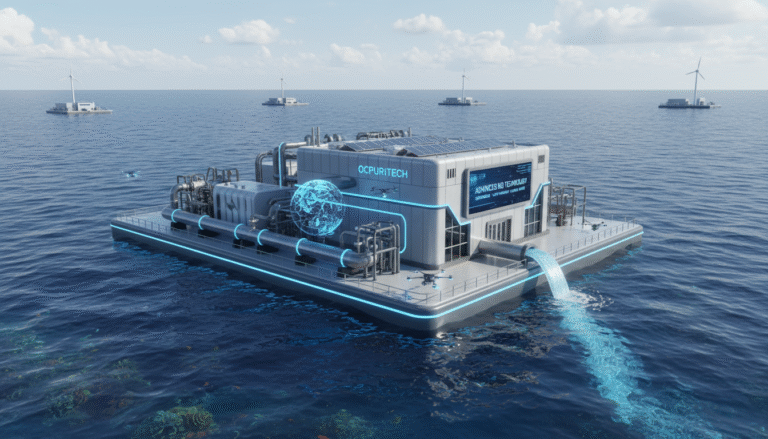
Access to clean, safe water is a fundamental human right and a cornerstone of environmental health. However, rapid population growth, industrialization, and climate change have placed immense pressure on our freshwater reserves. This has led to a global water crisis, making effective water treatment an indispensable practice. It’s projected that the global water desalination market will expand at a CAGR of 8.9%, reaching USD 34.58 Bn by 2032, highlighting the urgent need for advanced solutions.
1.1 The Global Water Crisis and the Need for Advanced Solutions
The world faces a grave water crisis, with billions lacking access to safely managed drinking water. Pollution from industrial discharge, agricultural runoff, and untreated sewage contaminates existing water bodies, further reducing available resources. This crisis not only impacts human health but also devastates aquatic ecosystems and biodiversity. Advanced water treatment solutions are crucial to mitigate these challenges, converting contaminated sources into safe water for various applications, thereby protecting both public health and the environment.
1.2 The Significance of Water Treatment Plant Technologies
Modern water treatment plant technologies are at the forefront of combating water scarcity and pollution. These systems are designed to remove contaminants, disinfect water, and improve its overall quality to meet stringent safety standards. From urban centers to remote communities, dedicated water treatment services play a vital role in ensuring environmental compliance and public well-being. Their significance extends beyond mere filtration; they are essential for sustainable development and resilience against environmental degradation.
2. Understanding Water Treatment Plant Technologies
Grasping the fundamentals of water treatment plant technologies is key to appreciating their role in environmental safety. These technologies encompass a range of processes, each meticulously designed to tackle specific water quality challenges. Effective water treatment involves a combination of physical, chemical, and biological methods, all working in concert to purify water. The selection of appropriate technologies depends heavily on the source water quality, desired output, and operational constraints.
2.1 Key Types and Operational Principles of Water Treatment Equipment
Various types of water treatment equipment are utilized, each with distinct operational principles. From conventional filtration to advanced membrane processes, these systems are engineered to achieve specific purification goals. My experience in designing water treatment systems for diverse industrial applications has shown me the importance of tailoring solutions to particular needs, whether it’s for well water treatment or municipal supplies.
2.1.1 Reverse Osmosis (RO) Membrane Systems

Reverse Osmosis (RO water treatment) is a leading technology for producing high-purity water, especially central to seawater desalination. It works by forcing water through a semi-permeable membrane, which effectively removes dissolved salts, ions, and other impurities. As observed in many of my projects, RO systems are highly efficient for reducing total dissolved solids (TDS) and are critical components in providing safe drinking water from otherwise unusable sources. Their effectiveness makes them indispensable in many water treatment plant applications.
2.1.2 Pre-treatment Filtration Equipment
Effective pre-treatment is vital for the longevity and efficiency of downstream water treatment systems like RO. This phase typically involves a series of physical filtration steps, including multimedia filters, activated carbon filters, and micron cartridge filters. In fact, in one project involving a heavily sediment-laden river source, implementing a robust pre-filtration system extended the lifespan of our RO membranes by over 40%, significantly reducing operational costs and maintenance. This highlights that a well-designed pre-treatment for water treatment plant is crucial for overall system performance.
2.1.3 Containerized Water Treatment Solutions

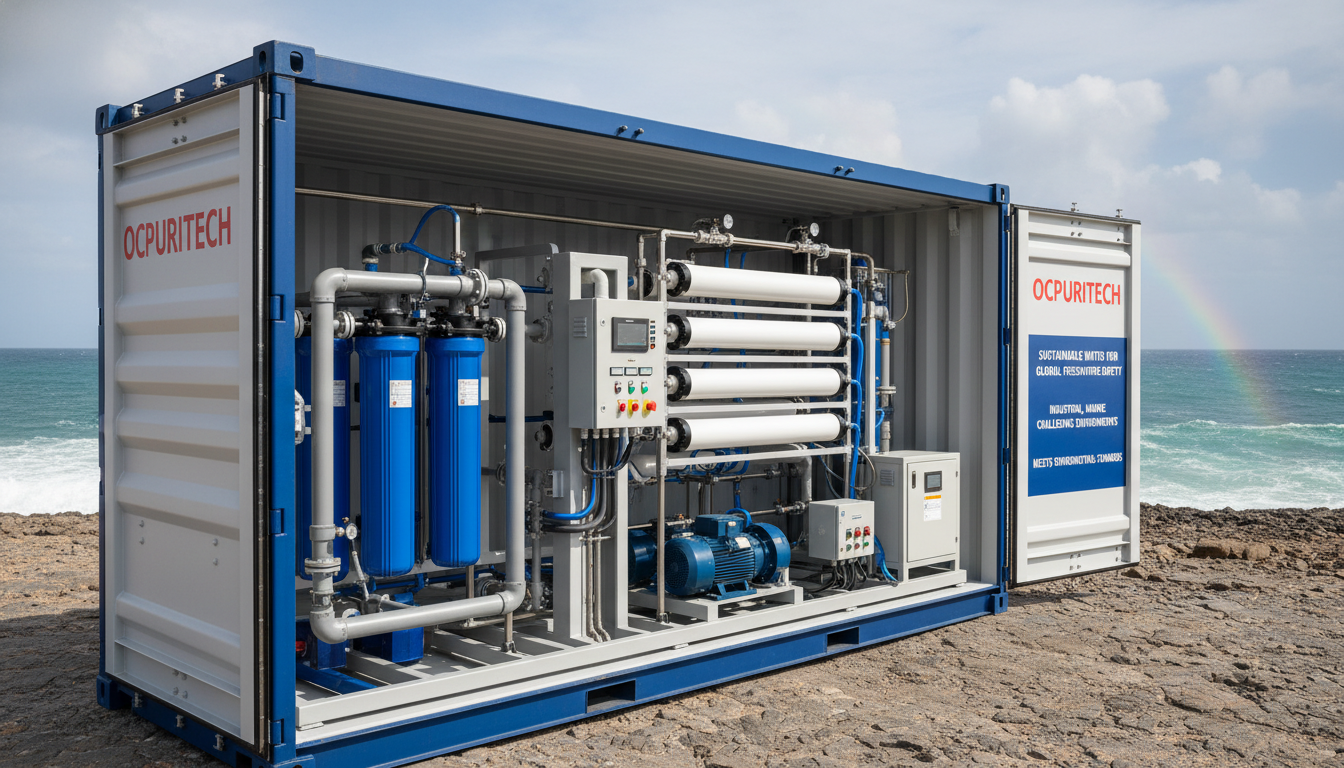
Containerized water treatment solutions offer significant advantages in terms of mobility, rapid deployment, and scalability. These compact, self-contained units house complete water treatment process equipment, making them ideal for emergency relief, remote construction sites, or temporary water supply needs. They can effectively handle a range of raw water qualities, from brackish groundwater to seawater, providing essential services where traditional infrastructure is lacking. These robust plants for water treatment are quickly becoming a cornerstone for flexible water supply.
2.2 Advanced Sterilization and Disinfection Processes
Beyond filtration, advanced sterilization and disinfection processes are critical to ensure water safety. Technologies like UV water treatment and ozone water treatment effectively eliminate harmful pathogens, viruses, and bacteria without introducing chemical residuals. For instance, in a municipal water project I oversaw, the integration of UV disinfection after primary filtration significantly reduced coliform counts to undetectable levels, enhancing public trust in the drinking water supply. This commitment to microbial safety is a key aspect of any modern water treatment plant.
3. Seawater Desalination: A Strategic Solution for Water Scarcity
As freshwater resources dwindle, seawater desalination has emerged as a vital strategic solution to address global water scarcity. This process converts readily available seawater into potable water, offering a seemingly limitless supply. The global water desalination market is rapidly growing, a clear indicator of its significance. By 2022, global desalination capacity surpassed 80 million m³/day, underscoring its expanding application and continuous research efforts.
3.1 The Imperative of Desalination in a Water-Stressed World
In many arid and coastal regions, conventional freshwater sources are insufficient or polluted, making seawater desalination an imperative. It offers a drought-proof water supply, critical for sustained economic development and population growth. As an expert, I’ve observed that countries with limited natural freshwater are increasingly turning to desalination to secure their future. This shift highlights not just a technological adoption but a fundamental change in how we approach water resource management.
3.2 Performance Parameters and Operational Advantages in Seawater Desalination
Modern seawater desalination plant operations are characterized by precise performance parameters and significant operational advantages. These include high recovery rates, low energy consumption through advanced energy recovery devices, and robust membrane technology that withstands harsh conditions. For example, in a large-scale coastal desalination project, our systems achieved a water recovery rate of over 45% while significantly lowering energy usage due to optimized pump efficiencies, demonstrating best practices in sustainable water treatment.
4. The Core Science Behind Seawater Desalination

The core science of seawater desalination is a sophisticated interplay of physical, chemical, and engineering principles. While the concept of removing salt from water seems simple, the actual process requires meticulous design and operation to ensure efficiency, water quality, and environmental sustainability. Understanding this science is crucial for optimizing water treatment plant performance and developing next-generation solutions.
4.1 Pre-treatment Stages for Effective Desalination
Before seawater can undergo the main desalination process, it must pass through extensive pre-treatment stages. This is critical to prevent fouling and scaling of the delicate RO membranes. These stages involve screening, coagulation, flocculation, sedimentation, and various forms of filtration to remove suspended solids, algae, and other particulate matter. In many cases, my team has seen that inadequate pre-treatment is the leading cause of premature membrane failure, emphasizing its indispensable role in the overall water treatment process.
4.2 The Reverse Osmosis Process in Detail
The reverse osmosis water treatment process is the heart of most modern desalination plants. After pre-treatment, high-pressure pumps force the seawater against semi-permeable membranes. These membranes allow water molecules to pass through while effectively rejecting dissolved salts, minerals, and other impurities. The rejected concentrated brine is then discharged. This method is highly effective and energy-efficient compared to thermal desalination processes, as highlighted in studies comparing various desalination technologies.
4.3 Post-treatment and Water Quality Assurance
Once seawater has passed through the RO membranes, the purified water undergoes post-treatment to meet specific quality standards. This often includes remineralization to adjust pH and add essential minerals for palatability and health, followed by disinfection (e.g., UV water treatment system or chlorination) to ensure it is microbiologically safe for consumption. Rigorous testing and monitoring are carried out at every stage to ensure the water consistently meets all regulatory requirements before distribution.
5. Innovations Driving Water Treatment Plant Efficiency
Innovation is at the core of advancing water treatment plant efficiency and sustainability. As environmental demands intensify and operating costs become a critical factor, the industry continually seeks new ways to optimize processes, reduce energy consumption, and enhance water quality. These advancements are crucial for both industrial water treatment and municipal supplies.
5.1 Enhancing Performance and Energy Efficiency

One of the most significant strides in water treatment technology is the focus on enhancing energy efficiency. Modern reverse osmosis water treatment system employ energy recovery devices, which reclaim up to 98% of the energy from the concentrated brine stream. This significantly reduces the overall power consumption of water treatment plants. As an industry expert, I’ve seen some advanced projects where these efficiency gains have lowered operating costs by as much as 30%, making desalination more economically viable and environmentally responsible. Insights show that energy recovery from RO concentrate is a key trend to reduce energy consumption.
5.2 Unique Design Features and Technological Advancements
Beyond energy efficiency, design innovations are transforming water treatment systems. This includes compact, modular designs that reduce footprint and installation time, and smart control systems that utilize AI and machine learning for predictive maintenance and optimized operation. For example, in a recent project for a remote community, we deployed a modular whole house water treatment system that could be expanded as the population grew, demonstrating adaptability and cost-effectiveness. These features are making water treatment engineering more accessible and sustainable globally.
6. Diverse Applications of Water Treatment Technologies
The versatility of water treatment technologies allows for their application across an incredibly diverse range of sectors and environments. From securing drinking water on luxury yachts to providing process water for heavy industry, the customized nature of water treatment solutions is a testament to their adaptability and critical importance.
6.1 Marine and Offshore Applications (Yachts, Offshore Platforms)

In marine and offshore settings, reliable water treatment is not just a convenience, but a necessity for survival and operation. Seawater desalination units, often referred to as “watermakers,” are essential on yachts, cruise ships, and offshore oil platforms. They convert seawater into fresh drinking and utility water, ensuring self-sufficiency and reducing the need for costly and logistically challenging water deliveries. My personal involvement in commissioning a desalination unit on an offshore platform highlighted the rigorous design requirements for corrosion resistance and continuous performance in extreme environments. This niche application shows how customized water treatment solutions are developed.
6.2 Specialized Solutions for Challenging Environments
Beyond marine applications, water treatment companies often develop specialized solutions for environments with unique challenges. This includes treating highly saline groundwater in arid regions, purifying water in disaster zones, or managing industrial wastewater with complex contaminant profiles. These specialized plants for water treatment often integrate multiple technologies, such as advanced oxidation processes alongside membrane filtration, to handle specific pollutants effectively. The ability to customize is what sets leading water treatment company apart.
6.3 Customization and Tailored Solutions
The strength of modern water treatment technologies lies in their adaptability. No two water sources or application requirements are exactly alike, which necessitates a high degree of customization and tailored solutions. Water treatment companies work closely with clients to assess their specific needs, analyze raw water quality, and design systems that deliver optimal performance and cost-effectiveness. This bespoke approach ensures that each water treatment system is perfectly matched to its intended purpose.
7. Ensuring Compliance: Regulations, Standards, and Quality Control
The success and reliability of any water treatment plant heavily depend on strict adherence to international regulations, industry standards, and comprehensive quality control measures. These frameworks are designed to protect public health and the environment, ensuring that treated water meets or exceeds safety requirements.
7.1 Adherence to International Maritime and Environmental Regulations
For marine applications, water treatment systems must comply with stringent international maritime regulations, such as those set by the IMO (International Maritime Organization). Similarly, land-based water treatment plants must meet national and local environmental discharge standards. My involvement in projects often includes ensuring full compliance with these complex legal requirements, which can vary significantly by region. This aspect is crucial for the legal and ethical operation of any water treatment facility.
7.2 Quality Assurance and Certifications for Product Safety

To guarantee product safety and operational reliability, water treatment equipment must undergo rigorous quality assurance processes and achieve relevant certifications. These often include ISO standards, CE marking, and specific national certifications for potable water. In my experience, working with certified water treatment companies provides an assurance of quality and performance, giving clients confidence in their investment. Such certifications are a testament to the reliability of a water treatment plant.
8. Sustainable Practices in Water Treatment
Sustainability has become a central pillar in the design and operation of modern water treatment plant technologies. Beyond merely treating water, the focus is now on minimizing environmental footprint, conserving resources, and ensuring long-term ecological balance. This holistic approach is essential for the future of water treatment.
8.1 Energy Conservation and Emission Reduction Strategies
Significant advancements have been made in reducing the energy consumption of water treatment systems. This includes the use of highly efficient pumps, motors, and advanced energy recovery devices in reverse osmosis water treatment. Furthermore, adopting smart control systems optimizes operational schedules to align with off-peak electricity rates, further reducing costs and carbon emissions. Life cycle assessments highlight the importance of energy efficiency in reducing environmental impacts.
8.2 Environmentally Friendly Brine Management
One of the main environmental challenges of seawater desalination is the disposal of concentrated brine. Sustainable practices now focus on innovative brine management strategies to minimize its ecological impact. These include advanced dilution techniques, co-location with power plants to utilize waste heat for brine treatment, and extracting valuable minerals from the brine before discharge. Successfully implementing these strategies is vital to the sustainable operation of a seawater desalination plant.
8.3 Integration of Renewable Energy Sources

To further enhance sustainability, integrating renewable energy sources such as solar and wind power with water treatment plants is gaining traction. This not only reduces reliance on fossil fuels but also lowers operational costs and carbon emissions. My firm has been exploring hybrid power solutions for remote water treatment facilities, combining solar PV with battery storage to ensure continuous operation, even in off-grid locations. Such integration epitomizes a truly sustainable water treatment process.
9. Empowering Global Water Solutions with Ocpuritech
Ocpuritech stands as a beacon in the water treatment industry, empowering global water solutions through its expertise and commitment to quality. As a leading water treatment company, we focus on delivering advanced and reliable water treatment plant technologies to a diverse range of clients worldwide.
9.1 Ocpuritech’s Expertise in Industrial and Marine Water Treatment
With extensive experience, Ocpuritech has developed profound expertise in both industrial water treatment and marine applications. We understand the unique challenges associated with each sector, from treating complex industrial wastewaters to providing potable water on offshore platforms. Our team of skilled engineers and technicians works tirelessly to design, implement, and maintain high-performance water treatment systems that meet the most rigorous standards.
9.2 A Legacy of Innovation and Quality (Ocpuritech’s 14 Years of Experience)
For 14 years, Ocpuritech has built a legacy of innovation and unwavering commitment to quality in the water treatment sector. This extensive experience has allowed us to refine our water treatment technologies, ensuring they are not only effective but also durable and cost-efficient. Our long-standing presence in the market is a testament to our dedication to providing reliable and advanced water treatment solutions.
9.3 Comprehensive Product Range and Manufacturing Prowess (Guangzhou and Jiangmen Facilities)
Ocpuritech boasts a comprehensive product range, manufactured with precision in our state-of-the-art facilities in Guangzhou and Jiangmen. This includes reverse osmosis water treatment systems, UV water treatment units, various filtration components, and specialized seawater desalination plant equipment. Our robust manufacturing capabilities ensure consistent quality and the ability to deliver customized water treatment systems tailored to specific client needs.
10. Ocpuritech’s Commitment to a Sustainable Future
Ocpuritech’s vision extends beyond mere business; it is deeply rooted in a profound commitment to fostering a sustainable future. We believe that access to clean water is a right, and our water treatment technologies are designed to make this a reality while protecting our planet.
10.1 Global Reach and Diverse Applications (Southeast Asia, Africa, South America)
Our global footprint spans across Southeast Asia, Africa, and South America, where Ocpuritech’s water treatment plants are making a tangible difference. This extensive reach demonstrates our capacity to implement effective water treatment solutions in diverse geographical and socio-economic contexts. Each project reinforces our understanding of local challenges and our ability to adapt our water treatment systems accordingly.
10.2 Supporting Customers Across Various Sectors (e.g., Bottled Water, Agriculture, Industrial Projects)
Ocpuritech proudly supports customers across a multitude of critical sectors. From providing ultra-pure water for bottled water companies to supplying reliable irrigation water for agriculture, and delivering robust process water treatment for industrial projects, our versatile water treatment systems cater to a broad spectrum of needs. Our adaptable solutions ensure that businesses and communities thrive with access to clean, specific-quality water.
10.3 Core Values: Clean Water for All and Environmental Protection
At the heart of Ocpuritech’s operations are two core values: ensuring clean water for all and unwavering dedication to environmental protection. These principles guide our research, development, and the deployment of every water treatment plant we create. We are committed to pioneering sustainable water treatment technologies that not only meet today’s demands but also preserve vital resources for future generations.
11. Conclusion: Advancing Environmental Safety Through Water Treatment Innovation
The journey to securing a sustainable water future is complex, but with continuous innovation in water treatment plant technologies, the path forward is clear. These advancements are not just technical achievements; they are crucial steps towards enhancing environmental safety and ensuring global water security for generations to come.
11.1 Reaffirming Leadership in Technology and Environmental Stewardship
As a leader in the water treatment industry, Ocpuritech reaffirms its commitment to technological excellence and environmental stewardship. Our comprehensive range of water treatment systems, backed by years of experience and a passion for innovation, positions us at the forefront of this critical field. We believe that responsible technology is key to solving the world’s most pressing water challenges.
11.2 The Future of Sustainable Water Management with Ocpuritech
The future of sustainable water management is intertwined with ongoing innovation and dedication. Ocpuritech is committed to leading this charge, developing cutting-edge water treatment technologies that offer efficient, reliable, and environmentally sound solutions. By continuously pushing the boundaries of what’s possible in water treatment, we aim to contribute significantly to a world where clean water is not a luxury, but a universal reality.
Water Treatment Plant Technologies FAQ
Q1: What are water treatment plant technologies?
Water treatment plant technologies refer to advanced systems and processes designed to purify water by removing contaminants, pathogens, and impurities to supply safe and clean water for various uses while ensuring environmental safety.
Q2: What is seawater desalination in water treatment?
Seawater desalination is a specific water treatment process that removes salt and minerals from seawater to produce potable water, typically using technologies like reverse osmosis membranes to ensure freshwater supply in water-scarce regions.
Q3: What does pre-treatment filtration equipment do in water treatment plants?
Pre-treatment filtration equipment includes multimedia filters, activated carbon filters, and cartridge filters that remove suspended solids and contaminants before main treatment stages, enhancing system efficiency and membrane lifespan.
Q4: How to maintain and operate a reverse osmosis water treatment system?
To maintain and operate a reverse osmosis (RO) water treatment system effectively: 1) Conduct regular pre-treatment to remove suspended solids; 2) Monitor and maintain membrane integrity; 3) Control operating pressures and flow rates; 4) Schedule routine cleaning and replacement of membranes; 5) Ensure proper post-treatment and disinfection to meet water quality standards.
Q5: How to operate the seawater desalination process step-by-step?
The typical process flow in a seawater desalination plant includes: 1) Intake and screening of seawater; 2) Pre-treatment through coagulation, flocculation, sedimentation, and filtration; 3) High-pressure pumping through semi-permeable RO membranes to remove salts; 4) Post-treatment including remineralization and disinfection; 5) Disposal of concentrated brine with environmental controls.
Q6: How to integrate renewable energy sources in water treatment plants?
Integrating renewable energy into water treatment plants involves: 1) Assessing the energy requirements; 2) Installing solar panels or wind turbines on-site; 3) Incorporating battery storage for off-grid sustainability; 4) Implementing smart control systems to optimize energy usage; 5) Reducing reliance on fossil fuels and minimizing carbon footprint.
Q7: What is the difference between reverse osmosis systems and containerized water treatment solutions?
Reverse osmosis (RO) systems and containerized water treatment solutions differ significantly: RO is a membrane-based purification technology focused on removing dissolved salts and impurities, best suited for both large-scale and small applications. Containerized systems are modular, portable units that house complete water treatment processes, ideal for rapid deployment and remote locations, providing flexibility and scalability.
Q8: Which professional entities are important in the water treatment plant industry?
Ocpuritech, the International Maritime Organization (IMO), and the Coherent Market Insights agency are key professional entities referenced in water treatment technologies. Ocpuritech provides advanced water treatment plants and marine applications; IMO sets global maritime environmental regulations; Coherent Market Insights offers market data supporting water desalination trends.
Q9: What are important performance parameters in seawater desalination plants?
Energy recovery devices and advanced membrane technology are two critical performance parameters in seawater desalination plants. Energy recovery devices reclaim energy from concentrate streams reducing power consumption, while robust membranes tolerate harsh saline conditions, both improving efficiency and sustainability.
Q10: Why is pre-treatment important in seawater desalination processes?
Adequate pre-treatment in seawater desalination is crucial because it prevents fouling and scaling of reverse osmosis membranes by removing suspended solids, algae, and particulates. This extends membrane lifespan, enhances efficiency, and reduces maintenance costs.