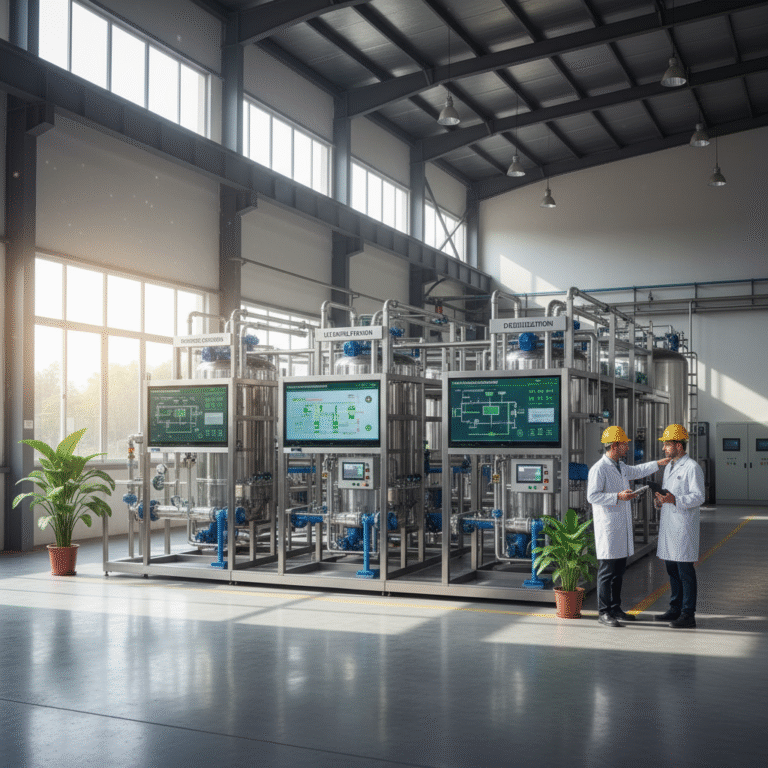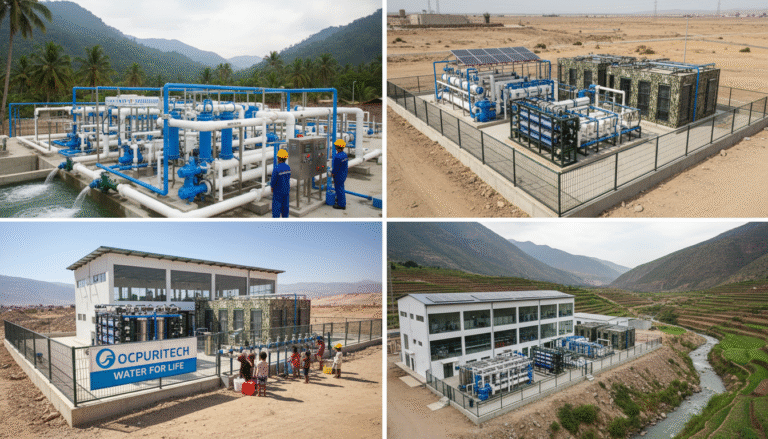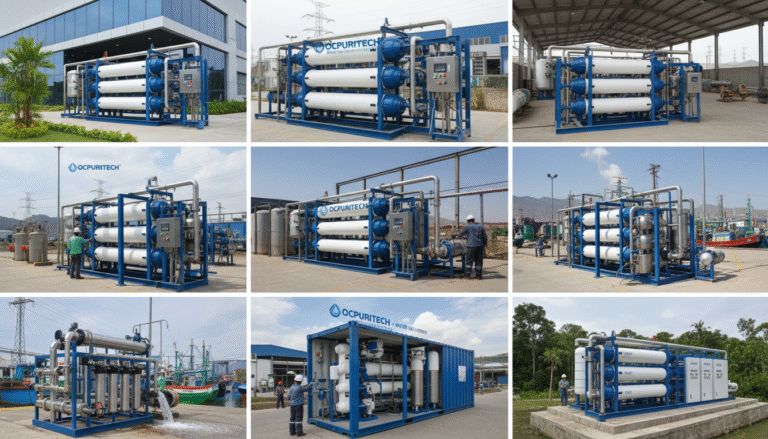
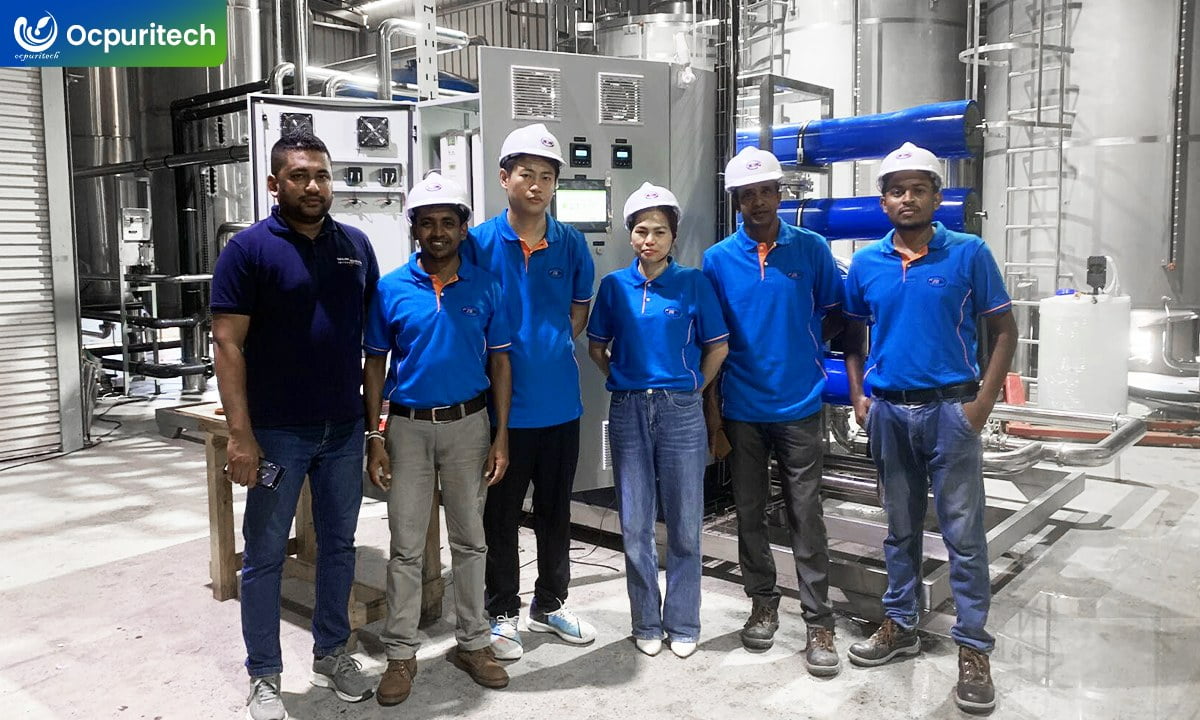
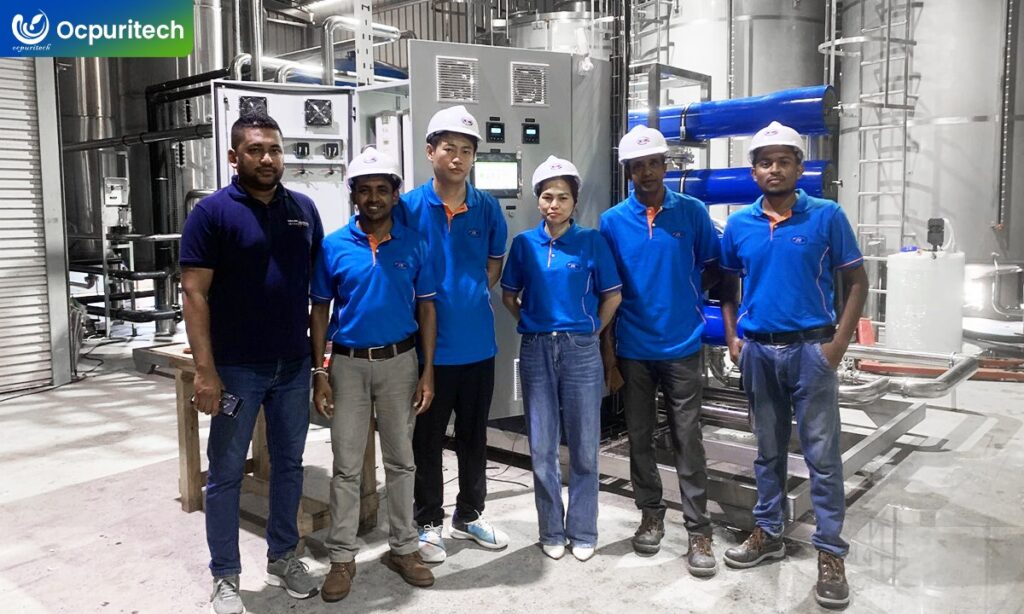
Do you struggle with inconsistent water quality affecting your production line? Poor water quality damages equipment and lowers product standards. Reverse Osmosis (RO) is the reliable solution you need.
Reverse Osmosis (RO) is a water purification technology1 that uses a semi-permeable membrane to remove ions, molecules, and larger particles from drinking water. By applying pressure, it overcomes osmotic pressure to remove 99% of impurities2, making it essential for industrial applications.
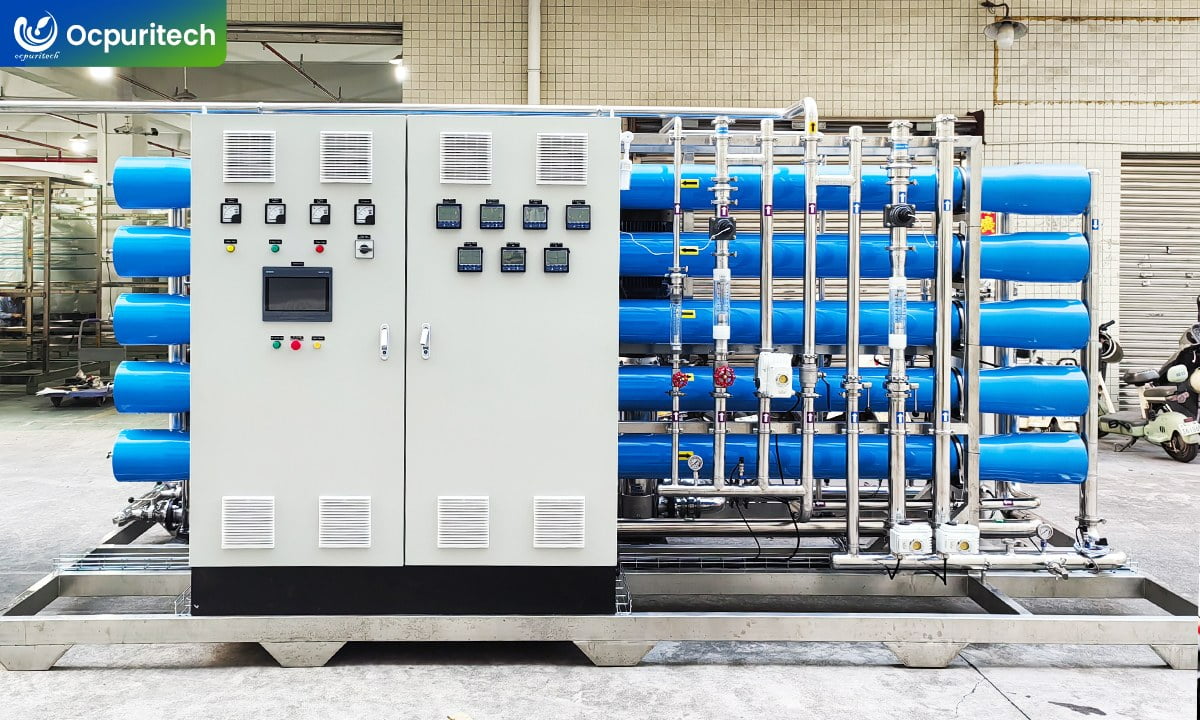
In my 15 years of experience at Ocpuritech, I have seen many factory owners confused by water treatment options. They know they need clean water, but they do not know which machine fits their needs. Some buy the wrong filters and waste money. Others ignore maintenance and break their systems. I want to stop you from making those mistakes. In this post, I will explain exactly what RO is, how we build these systems step-by-step, and how you can keep them running for years.
What Is Reverse Osmosis Water Treatment Technology?
Many business owners hear the term "Reverse Osmosis" but do not truly understand the mechanics. This lack of knowledge leads to poor purchasing decisions and operational headaches.
Reverse Osmosis3 is a process where high pressure forces water through a very fine membrane. This membrane acts like a gatekeeper, blocking salts, bacteria, and chemicals while allowing only pure water molecules to pass through.
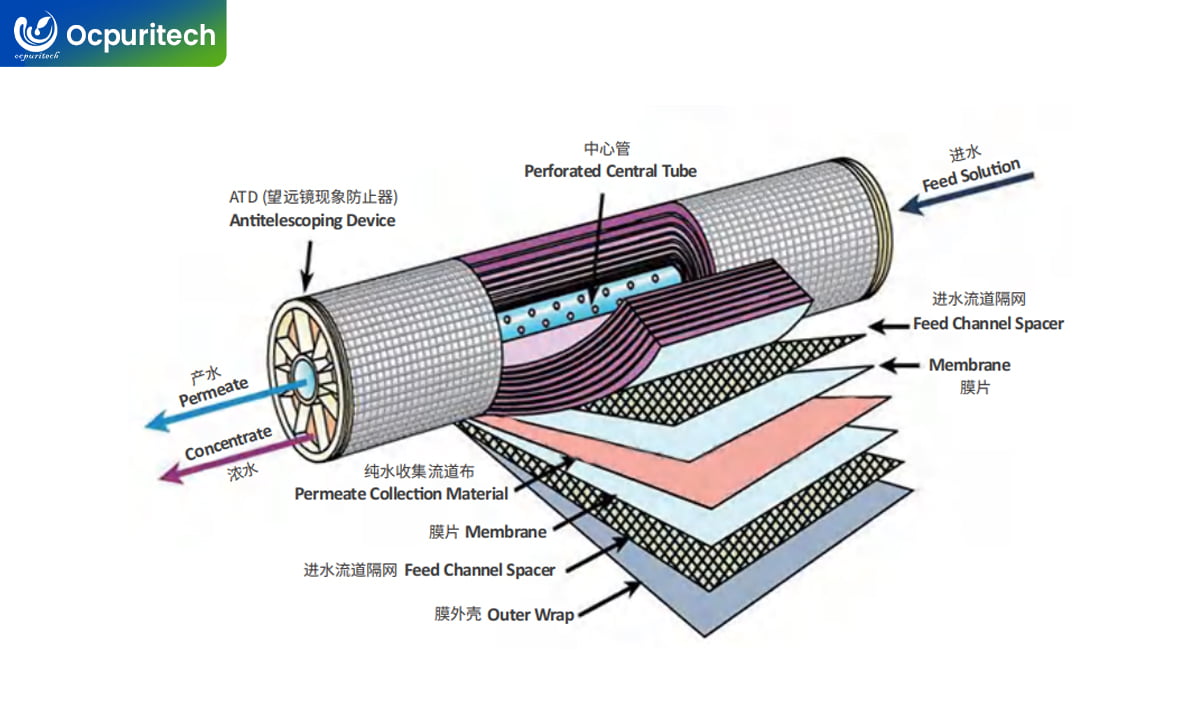
I view Reverse Osmosis technology as more than just a water treatment method. To me, it is a milestone in the history of industrial development. In the past, factories relied on simple filters or chemical boiling. These methods were either not clean enough or too expensive. RO changed everything.
The core of this technology is the semi-permeable membrane. Imagine a screen door on a house. It lets air in but keeps bugs out. An RO membrane is similar, but the holes are microscopic. They are so small that they stop dissolved salts, heavy metals like lead, and even viruses.
In my work with clients from over 80 countries, including the USA and South Africa, I see RO used everywhere. We use it to turn seawater into drinking water. We use it to make ultra-pure water for electronics. We also use it for bottled water businesses4. The main goal is always the same: to reduce the Total Dissolved Solids (TDS)5. When you lower TDS, you get pure, safe water. This technology is the backbone of modern industry because it is the most effective way to ensure consistent quality in your final product.
How Does an Industrial Reverse Osmosis System Work Step by Step?
You might think water purification happens in a single instant inside a machine. In reality, it is a strict, multi-stage journey that requires careful engineering.
A standard industrial RO system works in stages: Pretreatment removes large particles and chlorine, high-pressure pumps force water through membranes, and post-treatment ensures final quality while waste is discarded.
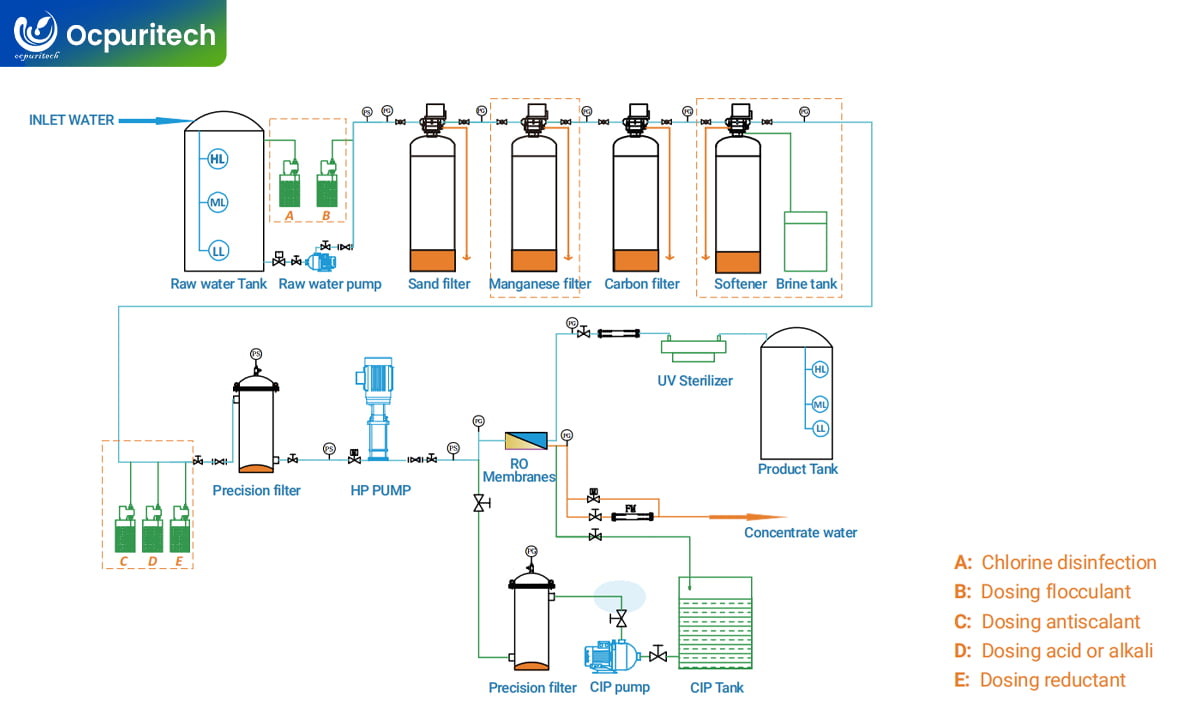
When I design a system for a client, I do not just plug in a membrane and walk away. I treat the process as a chain. If one link in the chain breaks, the whole system fails. Based on our project practice at Ocpuritech, here is how we break down the workflow into six clear steps.
Step 1: The Raw Water and Pretreatment First, the water enters the system. I always check the water pressure and flow stability first. Then, the water goes through a multimedia filter (sand filter). This removes mud, rust, and big floating particles. If we do not remove these here, they will clog the expensive parts later.
Step 2: Protecting the Membrane from Chemicals Next, the water flows through an Activated Carbon Filter. This is a critical step. City water often contains chlorine. Chlorine is good for killing bacteria, but it destroys RO membranes. The carbon absorbs this chlorine and other organic smells.
Step 3: Preventing Scale Build-up Before the main event, I usually set up a water softener6 or a dosing system. Hard water contains calcium and magnesium. Under high pressure, these minerals turn into hard stones (scale) that block the water flow. We remove them here to keep the system running smooth.
Step 4: The High-Pressure Separation This is the heart of the system. A high-pressure pump pushes the pre-treated water into the RO membrane housing. The pressure must be higher than the natural osmotic pressure. The membrane splits the water into two streams: pure water and dirty concentrate.
Step 5: Polishing the Product Water The water that passes through is now very clean, with low conductivity. Depending on what my customer needs, I might add more steps. For a pharmaceutical factory7, I might add an EDI system or UV sterilization8 to kill any remaining bacteria.
Step 6: Handling the Waste The dirty water (concentrate) contains all the rejected salts and metals. We collect this and discharge it, or in some advanced systems, we recycle it for other uses like washing floors.
Here is a simple table to visualize the flow I use in my designs:
| Stage | Equipment | Main Function |
|---|---|---|
| 1 | Sand Filter | Removes mud and large particles. |
| 2 | Carbon Filter | Removes chlorine and odors. |
| 3 | Softener/Dosing | Prevents calcium scale build-up. |
| 4 | RO Membrane | Separates salts and impurities. |
| 5 | UV/Ozone | Disinfects the final water. |
Why Should Your Business Choose an Reverse Osmosis Water Treatment System?
Every business owner asks about the return on investment before buying equipment. Why should you spend your budget on this specific technology right now?
RO systems are the best choice because they remove 99% of contaminants, consume less energy than thermal distillation, and provide reliable, continuous operation for high-volume production needs.
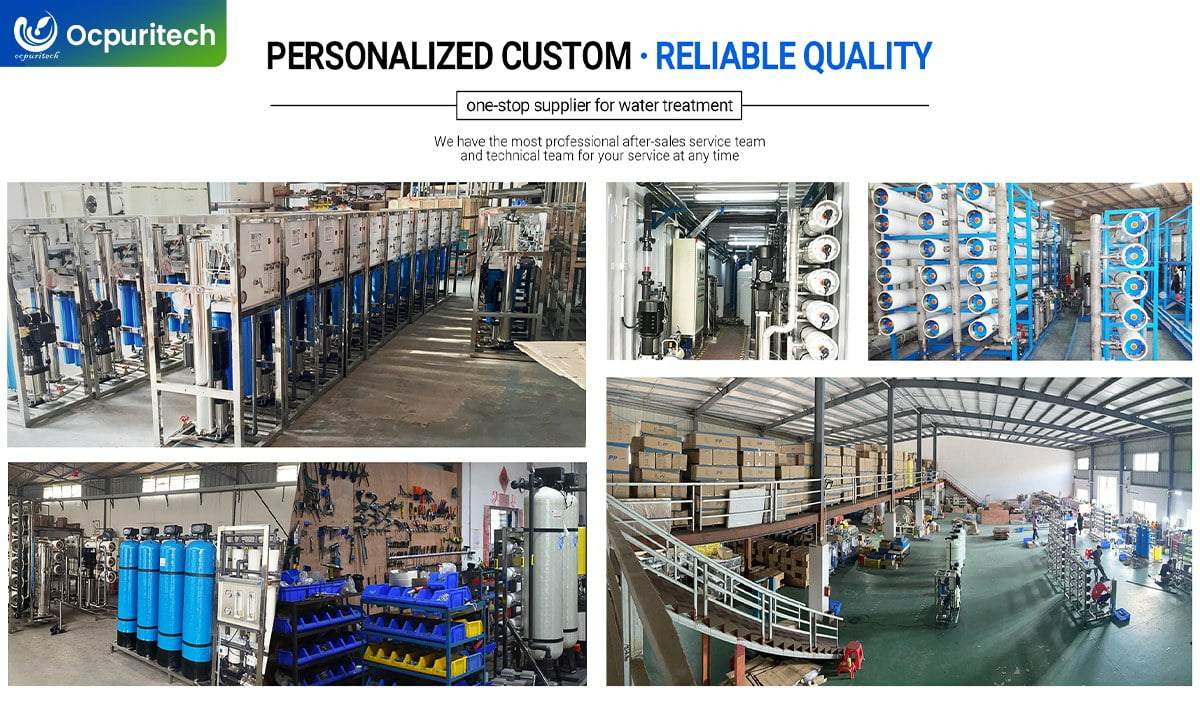
I have spoken to hundreds of business owners from Brazil to Uzbekistan. They all face the same challenge: competition. To compete, you need high quality and low costs. This is where RO technology shines.
First, let's talk about purity efficiency. An RO membrane removes more than 99% of total dissolved solids. This includes heavy metals, bacteria, and viruses. If you are bottling water, this means your water tastes great and is safe. If you are making cosmetics or medicine, this means your product is pure and meets government laws. No other single technology does this so well.
Second, consider the environmental and cost impact. Old methods, like distilling water (boiling it and catching the steam), use a huge amount of fuel or electricity. RO uses high-pressure pumps9, which use much less energy. Also, compared to ion exchange resins, RO does not need huge amounts of acid and alkali for regeneration. This means you spend less on dangerous chemicals and less on waste treatment.
Finally, I value stability. A well-built RO system from Ocpuritech can run 24 hours a day, 7 days a week. With proper maintenance, the membranes last for years. This reliability allows you to plan your production schedule without worrying that the water supply will stop. For my clients, this peace of mind is worth every penny.
How Do You Maintain an Reverse Osmosis(RO) System for Long Life?
Buying the machine is the easy part of water treatment. Keeping that machine running efficiently for five or ten years requires knowledge and discipline.
To extend the life of your RO system, you must perform regular chemical cleaning (CIP), monitor daily water quality data10, and replace pre-filters11 on time to prevent permanent membrane damage.
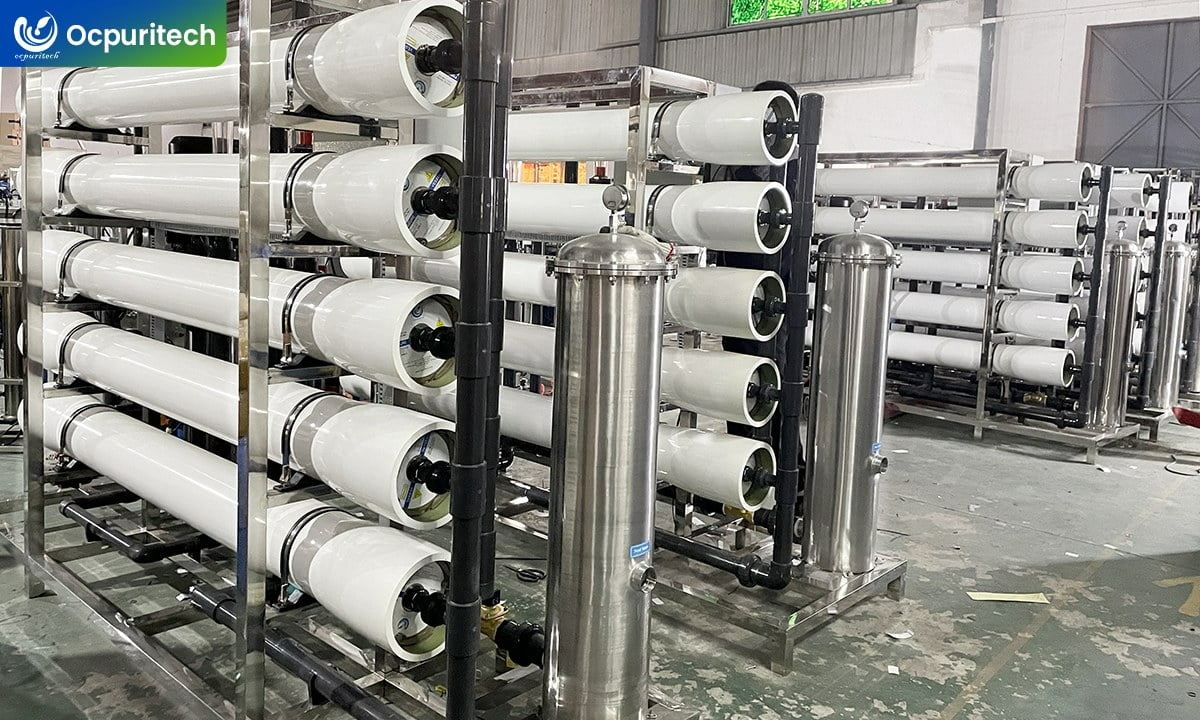
I often tell my customers: "Treat your RO system like a car." If you never change the oil in your car, the engine will break. The same is true for water treatment. The most expensive part of the system is the membrane. If you protect the membrane, you save money.
The biggest enemy of an RO system is fouling. This happens when dirt, biological slime, or mineral scale sticks to the membrane surface. When this happens, the pump has to work harder to push water through. This uses more electricity and gives you less water.
Here is my advice on maintenance based on fixing many broken systems:
- Watch the Pre-filters: The cheap cotton filters (security filters) and the sand/carbon tanks are the bodyguards. If they get dirty, the dirt goes straight to the RO membrane. Backwash your sand filters regularly. Change the security filter cartridges every month or when the pressure drops.
- Regular Cleaning (CIP): Do not wait until the system stops working. We recommend a "Clean-In-Place" (CIP) cycle periodically. We use mild acids or alkalines to wash the membrane surface. This removes the scale and organics before they become permanent.
- Data Recording: This is something many people forget. You should write down the flow rate, pressure, and water quality numbers every day. If I see the pressure going up slowly over a week, I know there is a problem. If you have no data, you are flying blind.
- Water Analysis: Water sources change. A river might get muddy in the rainy season. A well might get saltier in summer. Test your raw water regularly. If the water changes, we might need to adjust the system settings.
What Is the Future of Reverse Osmosis Water Treatment Technology?
The water industry changes fast, and staying behind means losing your competitive edge. What innovations are shaping the next generation of water treatment?
The future of RO lies in energy recovery devices that lower operational costs and smart AI integration that allows for remote monitoring and predictive maintenance to prevent downtime.
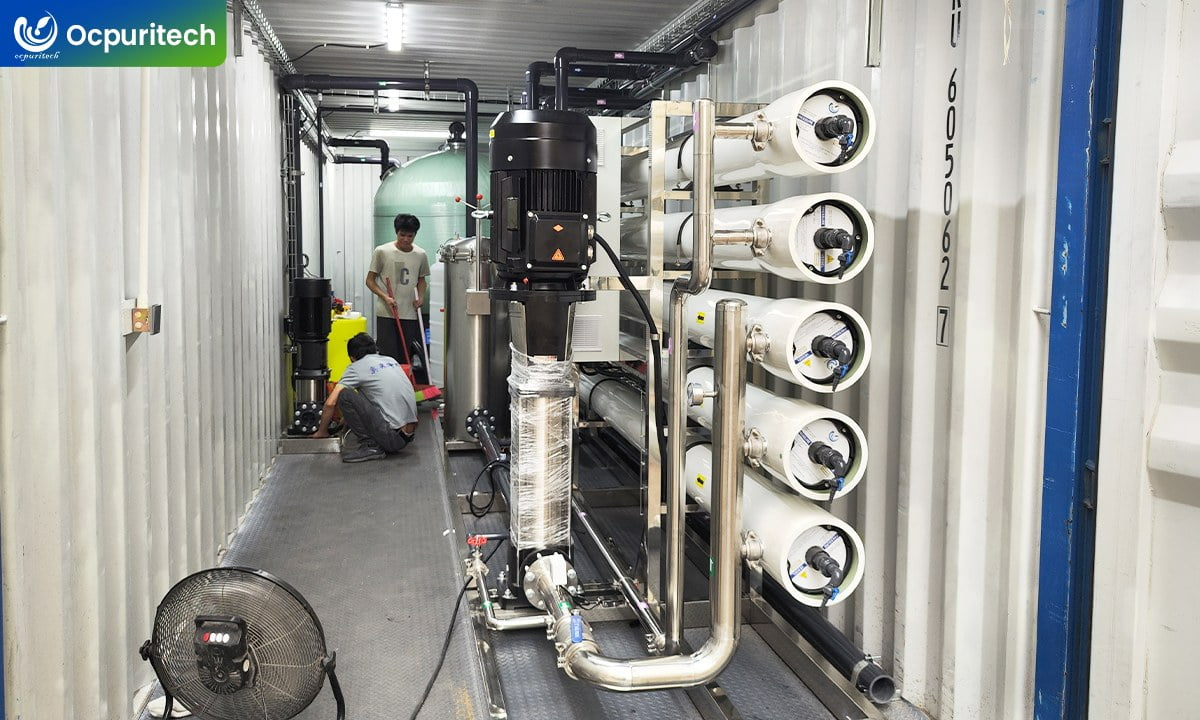
As a manufacturer, I am always looking at what comes next. The basic principle of RO hasn't changed, but the efficiency and intelligence of the systems are improving rapidly. If you are planning a new factory today, you need to look at these trends.
One major trend is Energy Recovery. In the past, the high pressure used to push water through the membrane was wasted when the dirty water was dumped. Now, we use Energy Recovery Devices (ERD)12. These devices capture the pressure from the waste stream and use it to help pump the incoming water. This can cut energy bills by 30% to 50%. For a large desalination plant, this saves a fortune.
Another exciting development is Smart RO Systems. At Ocpuritech, we are integrating more IoT (Internet of Things) features. Imagine receiving a text message on your phone that says, "Your filter needs changing in 3 days." Or imagine my engineers in China being able to look at the data of a machine in the Philippines to fix a problem remotely. This is not science fiction; it is happening now.
We also see better Membrane Materials. New membranes are being developed that can fight off dirt and bacteria better. These "low-fouling" membranes mean you don't have to clean them as often, and they last longer.
For businesses, these trends mean lower operating costs and less worry. Investing in a modern, smart RO system is an investment in a future-proof business.
Conclusion
Reverse osmosis water treatment technology is the standard for industrial water purity. By understanding how it works and maintaining it well, you ensure your business success. Ocpuritech is here to help you every step of the way.
Discover cutting-edge innovations in reverse osmosis water purification technology that can enhance your production line. ↩
Find out how Reverse Osmosis achieves such high levels of impurity removal for safe drinking water. ↩
Explore this link to understand the fundamentals of Reverse Osmosis and its significance in water purification. ↩
Explore how bottled water companies utilize RO technology to ensure product safety and quality. ↩
Understand the significance of TDS in water quality and its impact on your products. ↩
Discover how water softeners prevent scale build-up and enhance RO system performance. ↩
Discover the specific water treatment needs of pharmaceutical factories and how RO meets them. ↩
Learn about the role of UV sterilization in ensuring the safety of treated water. ↩
Learn about the critical role of high-pressure pumps in the efficiency of RO systems. ↩
Explore best practices for monitoring water quality data to ensure optimal reverse osmosis water treatment system performance. ↩
Understand the importance of pre-filters in protecting RO membranes and ensuring water quality. ↩
Find out how ERDs can significantly reduce operational costs in water treatment processes. ↩