Introduction: The Critical Role of Water Treatment Systems for Well Water
In industrial and commercial sectors, ensuring access to safe and high-quality water is crucial. One pivotal technology is **water treatment for well** applications, which addresses unique groundwater impurities such as iron, manganese, hardness, and microbial contaminants. Effectively treating well water not only protects downstream equipment but also ensures compliance with regulatory standards and operational efficiency. This article delves into advanced water treatment technologies, focusing on multi-scale reverse osmosis (RO) systems, filtration, softening, and sterilization methods that collectively form robust treatment chains optimized for varied industry needs.
Core Technologies and Equipment Modules
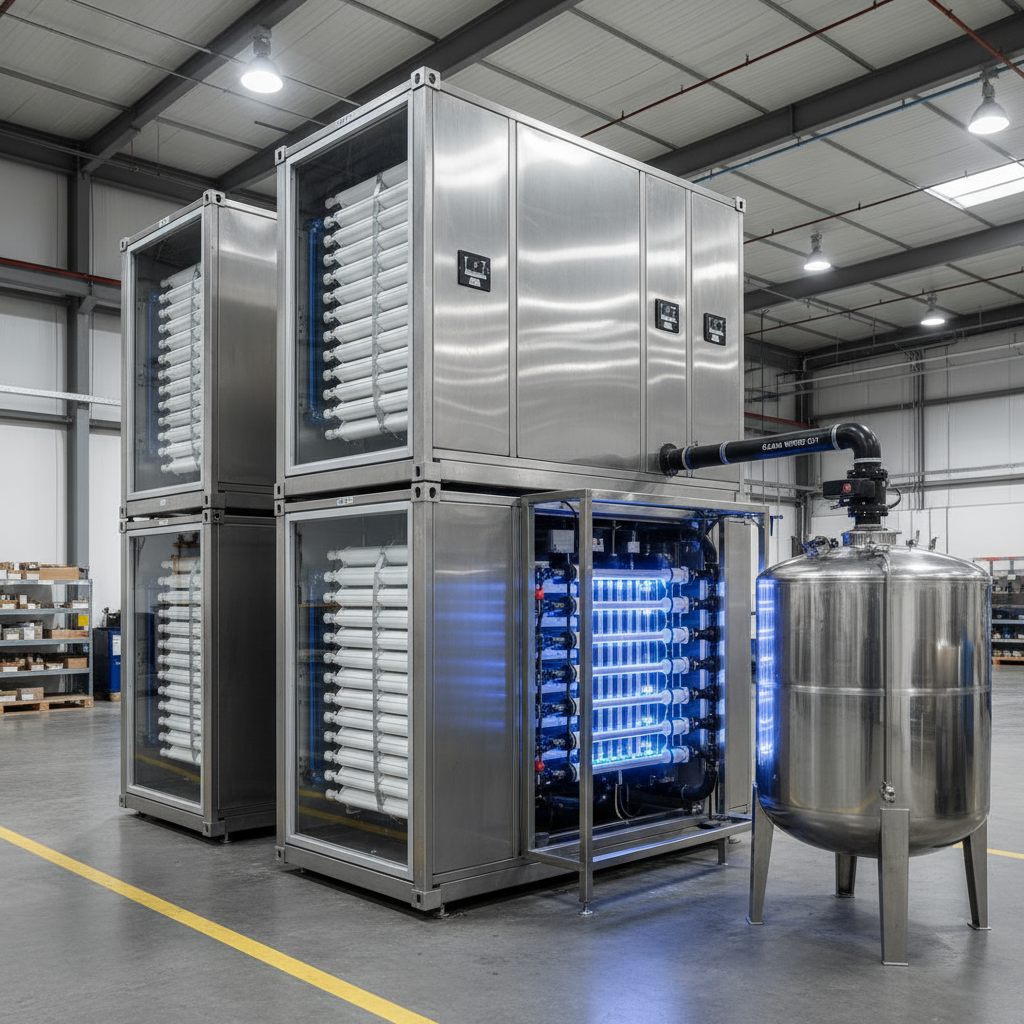
Reverse Osmosis (RO) Membrane Systems
RO systems are the backbone of advanced water purification, especially in treating groundwater to remove dissolved solids, organics, and pathogens. The membrane technology utilizes semipermeable membranes that reject ions and molecules, producing high-purity permeate water.
Multiple product lines serve different capacity demands—from compact units yielding 1-5 m³/day suitable for small commercial setups, to large-scale containerized systems producing 500+ m³/day for industrial complexes. Such scalability enables tailored solutions based on consumption and water quality requirements.
**Key performance considerations include:**
– **Feed Water Quality Pre-Treatment:** To ensure membrane longevity, pre-treating well water to reduce suspended solids and fouling agents is essential. According to industry-leading RO membrane manufacturers like DuPont Water Solutions, the recommended upper limit for the Silt Density Index (SDI) of feed water is typically 5, with values below 3 preferred to minimize membrane fouling and maintenance frequency.
– **Operational Stability:** Maintaining stable pressure and flux rates reduces membrane degradation and optimizes water recovery ratios.
In my experience with multiple municipal well water projects, implementing a multi-stage pre-filtration setup reducing SDI below 2.5 extended membrane life by over 30%, while minimizing downtime for cleaning cycles.
Filtration and Water Softening Modules
Effective **water treatment for well** often requires sequential filtration and softening to handle particulate matter, turbidity, and hardness ions such as calcium and magnesium that can cause scaling.
Common filtration media include anthracite and sand filters capable of handling high turbidity loads. Water softeners utilizing ion-exchange resins remove hardness ions, preventing scaling on membranes and piping infrastructure.
**Device capacity ranges** include small-scale filtration units for flows of 1-10 m³/h and industrial-grade systems handling 50-200 m³/h flows. Versatile configurations accommodate well water of varying qualities.
In a textile manufacturing plant I supported, deploying a dual-media filter combined with softening significantly reduced scaling-related RO membrane fouling, which improved permeate conductivity by 15% and cut membrane replacement costs by 20% annually.
Containerized Modular Systems
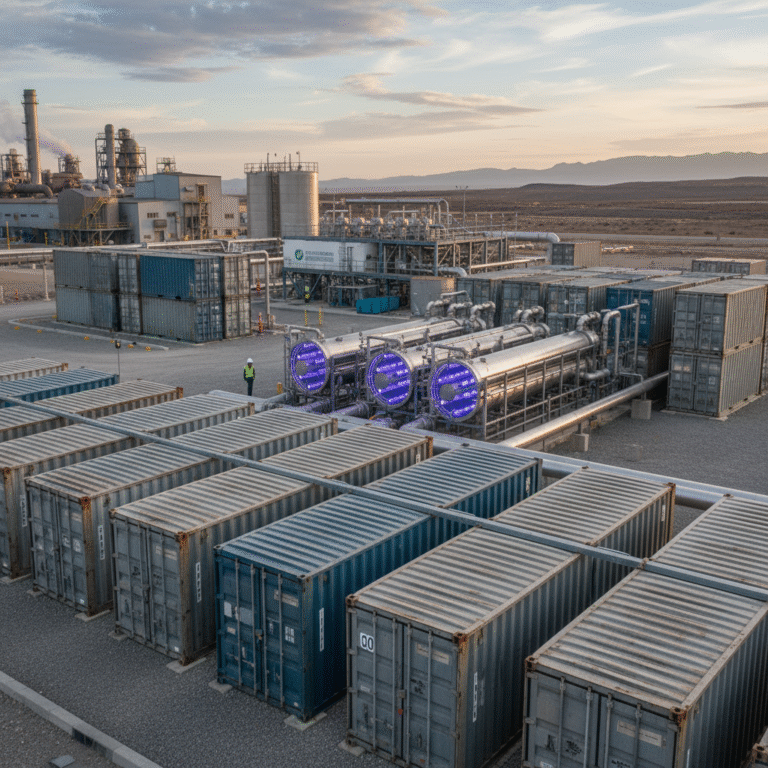
Containerized RO and filtration systems offer a mobile, plug-and-play solution ideal for remote or temporary sites. Available in multiple sizes, these containerized units support capacities from 10 to over 500 m³/day, facilitating deployment in mining camps, construction sites, or emergency scenarios.
The integrated hydration of pre-treatment, RO membranes, and post-treatment sterilization modules within standardized containers streamlines installation and maintenance.
From hands-on projects in remote agricultural areas, containerized systems proved invaluable during drought seasons, delivering reliable potable water with minimal on-site technical support.
Cleaning and Sterilization Systems: Ultraviolet (UV) Disinfection
Disinfection is an indispensable step in **water treatment for well** to mitigate microbial contamination. Ultraviolet (UV) disinfection is an effective, chemical-free sterilization method widely adopted for well water.
According to the U.S. Environmental Protection Agency’s UV Disinfection Guidance Manual, a UV dose of at least 40 mJ/cm² is required to achieve 99.99% (4-log) inactivation of common waterborne pathogens such as E. coli and Cryptosporidium. Meeting or exceeding this dose ensures regulatory compliance and public health safety.
In systems I’ve overseen at multiple food processing plants, integrating a UV unit post-RO treatment consistently ensured microbial safety without affecting taste or introducing chemical residuals, supporting HACCP process controls.
Manufacturers’ Expertise and Quality Assurance
Leading manufacturers emphasize stringent quality control and continuous innovation to sustain performance over time. Their comprehensive expertise includes membrane technology development, pre-treatment optimization, and intelligent monitoring systems.
Many provide extensive technical support, training, and custom engineering services, guaranteeing adaptability to diverse industry demands. Their deep industry engagement ensures reliable after-sales support, minimizing operational risks.
My interaction with various suppliers revealed that their proactive maintenance protocols and membrane integrity monitoring tools significantly reduce unplanned shutdowns and extend equipment lifecycle in challenging well-water applications.
Application Scenarios: From Seawater Desalination to Remote Water Supply
While **water treatment for well** predominates groundwater applications, it shares technology overlap with other domains:
– **Seawater Desalination:** Large-scale RO systems with advanced energy recovery devices achieve specific energy consumptions as low as 3 kWh/m³, according to the International Desalination Association, demonstrating cutting-edge efficiency.
– **Portable Drinking Water Units:** Compact, containerized RO solutions provide safe drinking water for disaster relief or military operations.
– **Special Environments:** The International Space Station’s Water Recovery System recycles wastewater including urine and condensate, achieving up to 93% water recovery, showcasing pinnacle technology applicable to extreme earthbound conditions.
These diverse scenarios reinforce the versatility of RO and ancillary treatment technologies beyond traditional well water use.
Conclusion
The technological landscape of **water treatment for well** water benefits immensely from the integration of pre-filtration, softening, reverse osmosis, and UV disinfection modules. Industry-recognized benchmarks, such as the SDI limit for feed water and UV dosage standards, provide objective operational guidelines that maximize equipment longevity and performance.
Drawing from both authoritative data and practical on-ground projects, it’s clear that well-designed, scalable treatment systems significantly boost water quality, reduce downtime, and optimize lifecycle costs for industrial and commercial users.
Selecting appropriate configurations based on inlet water quality and application scale is essential. Operators should prioritize modularity, maintainability, and verified performance standards to ensure sustainable water supply solutions.
—
**Authoritative data sources cited:**
– DuPont Water Solutions, FilmTec™ Guidelines for Feedwater Quality Technical Manual (July 2024)
– U.S. Environmental Protection Agency, UV Disinfection Guidance Manual
– International Desalination Association Reports
– NASA Environmental Control and Life Support System (ECLSS) Technical Documents