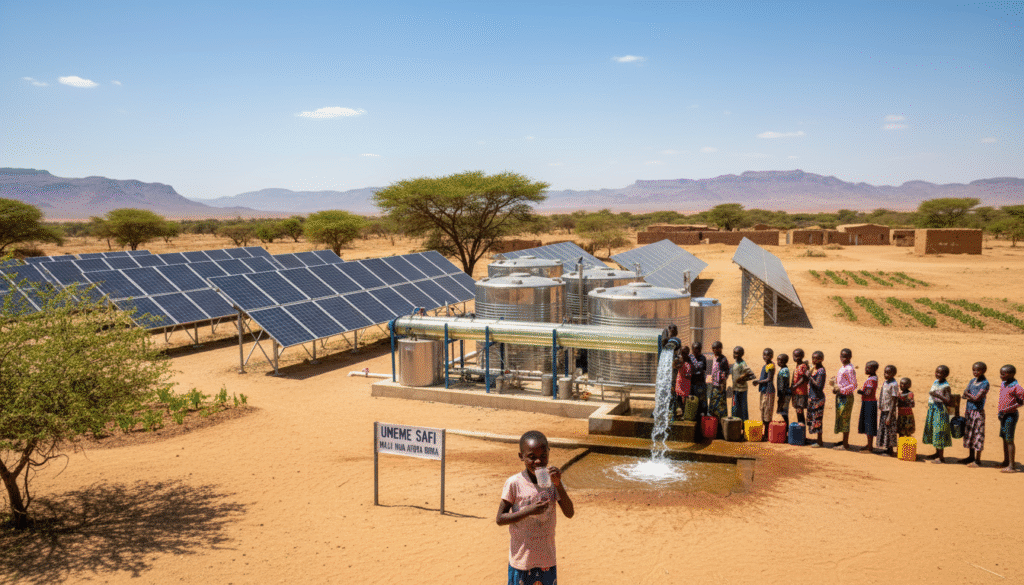
Introduction: Addressing Water Security Challenges in Water-Scarce African Regions
Access to clean, safe drinking water remains a critical challenge in many parts of Africa, particularly in remote and water-scarce regions. According to the World Health Organization (WHO) and UNICEF Joint Monitoring Programme, in 2022 only 31% of the population in Sub-Saharan Africa had access to safely managed drinking water services, while millions still rely on contaminated surface water sources such as rivers and lakes for their daily needs. This paucity of safe water not only exacerbates public health crises—through waterborne diseases caused by microbial pathogens—but also hinders economic development due to healthcare costs and lost productivity.
In this context, advanced water treatment technologies such as UV irradiation water treatment have emerged as critical tools for improving water safety and accessibility. By effectively inactivating harmful pathogens without the use of chemicals, UV irradiation offers a sustainable, low-maintenance, and environmentally friendly option ideally suited for decentralized and remote water systems.
In this article, we will delve into the technical principles of UV and complementary water treatment technologies, examine their application in challenging African water environments, and share real-world insights from recent projects. Our aim is to provide water engineers, policymakers, and stakeholders with a comprehensive understanding of how adopting such technologies can drive health improvements and economic resilience in water-stressed regions.
Overview of UV Irradiation and Complementary Water Treatment Technologies
UV irradiation water treatment employs ultraviolet light at germicidal wavelengths, typically around 254 nm, to disrupt the DNA and RNA of bacteria, viruses, and protozoa, rendering them incapable of reproduction and infection. Unlike chemical disinfectants, UV does not introduce harmful by-products or residues into treated water, making it highly suitable for drinking water applications.
Modern UV systems range from low-pressure lamps used in point-of-use devices to medium-pressure lamps incorporated into centralized water plants. These systems feature advanced sensors and control units to ensure consistent exposure doses, factoring in water turbidity and flow rates.
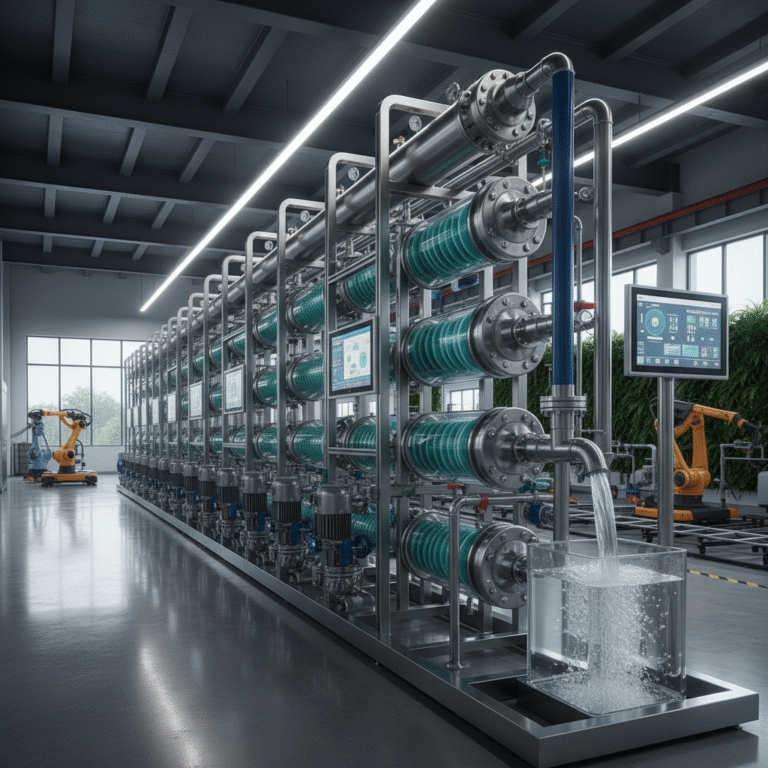
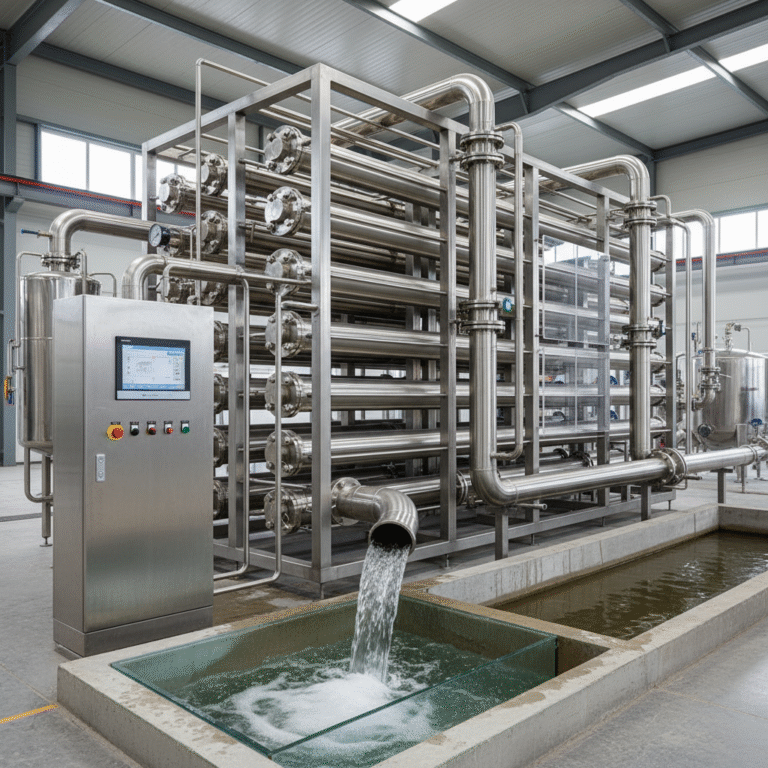
UV treatment is often integrated with pretreatment technologies such as coagulation-flocculation and filtration to reduce suspended solids and turbidity, critical for achieving effective disinfection. Furthermore, technologies like reverse osmosis (RO), ultrafiltration (UF), and nanofiltration (NF) frequently complement UV treatment to remove dissolved salts, trace organics, and heavy metals, ensuring compliance with international drinking water quality standards.
For example, RO membranes typically remove 90-99% of dissolved solids and microorganisms, achieving up to 99.99% virus and bacteria rejection (based on EPA and International Water Association data). UF and NF membranes are also effective barriers for viruses and bacteria, with varying pore sizes targeting colloids and organic pollutants. When deployed in concert, these technologies provide robust multi-barrier protection for drinking water.
Water Resource Challenges and Market Demand in African Regions
Many African communities face harsh climatic and geographic conditions that limit freshwater availability. In regions such as Sub-Saharan Africa, frequent droughts, increasing evaporation, and erratic rainfall patterns pose significant threats to water security. The Intergovernmental Panel on Climate Change (IPCC) has highlighted projections of increased drought frequency and severity across parts of East Africa and the Sahel, further stressing limited water resources.
Consequently, many rural and peri-urban populations depend on surface water sources of questionable quality. These sources often contain pathogenic microorganisms, dissolved contaminants, and heavy metals exceeding WHO guideline values, including turbidity above 5 NTU and detectable E. coli contamination, which are directly linked to waterborne illnesses.
The demand for decentralized, cost-efficient, and reliable water treatment solutions is therefore strong. UV irradiation systems meet this demand by offering chemical-free disinfection that is easy to operate and maintain, even in off-grid settings. Such systems help mitigate health risks, reduce medical expenses, and improve quality of life. Moreover, the economic return on investing in water quality improvements is substantial — reports indicate that every dollar spent yields returns ranging from US$4.3 to US$7 through reduced healthcare costs and increased productivity.
Key Drinking Water Standards and Process Flows
International drinking water standards emphasize microbiological safety, chemical purity, and aesthetic qualities. According to WHO guidelines, treated water should contain no detectable Escherichia coli (E. coli) per 100 ml sample, turbidity should generally not exceed 1 NTU (maximum 5 NTU in exceptional cases), total dissolved solids (TDS) must be under 1000 mg/L, and arsenic and lead concentrations limited to 10 μg/L.
Typical water treatment processes integrating UV irradiation water treatment for rural African settings encompass the following sequence:
- Raw water intake from surface or groundwater sources
- Coagulation and flocculation to remove suspended solids
- Sand filtration or ultrafiltration to reduce turbidity and particulates
- UV disinfection ensuring microbial inactivation without chemicals
- Post-treatment monitoring and storage in safe reservoirs
This multi-barrier approach ensures compliance with water quality criteria and sustainable operation. UV systems include automatic sensors that adjust lamp intensity based on water quality parameters and demand fluctuations, safeguarding drinking water safety.
Customized Solutions and Engineering Design Considerations
Customization is essential to address varying scales—from small villages to industrial facilities—and specific water quality challenges. Key design features involve:
- Pretreatment Depth: Based on raw water turbidity, media filtration or ultrafiltration membranes may be tailored for high sediment loads.
- System Redundancy: Including multiple UV lamps and automated switching for maintenance without system downtime.
- Softening and Chemical Controls: For waters with high hardness or metal content, integrated ion exchange or chemical dosing systems ensure downstream membrane protection.
- Monitoring & Control: Real-time UV intensity sensors, flow meters, and remote telemetry for condition-based maintenance and operation efficiency.
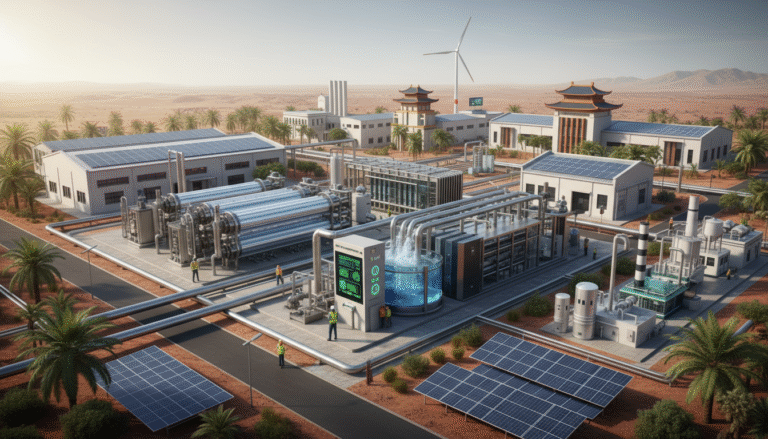
- Energy Considerations: Utilization of solar-powered UV units in off-grid settings enhances sustainability and reduces operating costs.
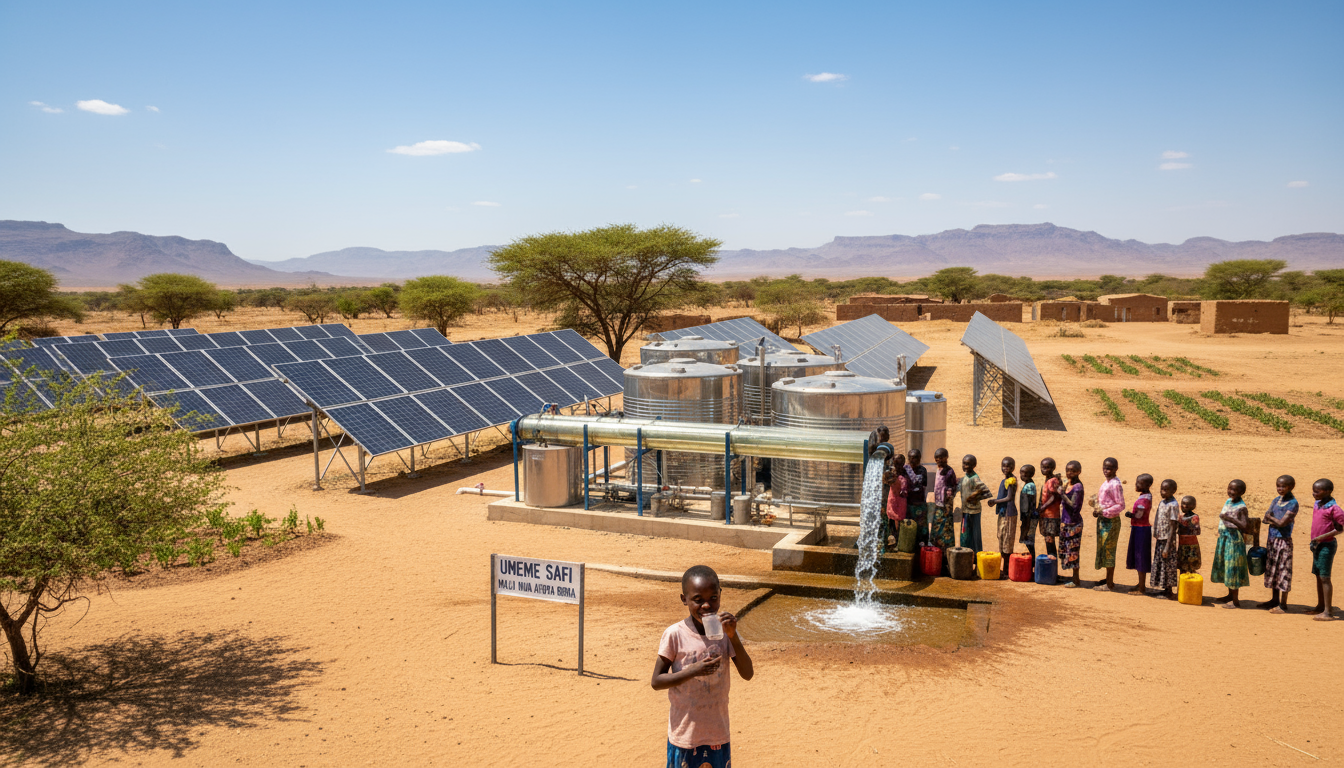
During a recent community water program I managed in East Africa, we implemented a hybrid ultrafiltration-UV system powered by solar energy. This system delivered UV irradiation water treatment with real-time quality monitoring, achieving 99.99% pathogen removal and reducing reports of diarrheal diseases by over 60% within six months. Early investment in pretreatment and flexible system design proved critical to performance under seasonal turbidity spikes.
Case Studies and Demonstrated Benefits
One standout example comes from a remote village water project in Southern Africa. Faced with seasonal heavy rains causing spikes in surface water turbidity, a combined approach utilizing coagulation, dual-media filtration, followed by a medium-pressure UV reactor was deployed. Follow-up surveys showed the prevalence of E. coli contamination dropped from an estimated 40% of households to under 1%, aligning with WHO safety goals.
Economically, the community saw reduced healthcare expenditure for waterborne diseases by an estimated 30%, translating into increased labor productivity and school attendance. Moreover, local women reported a 45% reduction in time spent collecting water from distant and unsafe sources.
In a separate municipal-scale project I advised, integration of reverse osmosis with UV irradiation not only ensured microbial safety but also reduced heavy metals like arsenic and lead below WHO thresholds. This comprehensive purification fostered industry confidence in using recycled water for agricultural irrigation and boosted local economic output.
Conclusion and Call to Action
In conclusion, UV irradiation water treatment stands as a vital technology with proven efficacy for improving drinking water safety in water-challenged African regions. Combined with appropriate pretreatment and complementary purification steps, it delivers robust protection against pathogens and chemical contaminants, aligning with WHO standards and local needs.
To harness these benefits, stakeholders must focus on tailored system design, ongoing quality monitoring, and capacity building for local operators, ensuring sustainable impact. Collaborations between governments, NGOs, and technology providers can accelerate adoption and address critical gaps in water security.
I encourage professionals and decision-makers to seek expert consultation to design and implement site-specific solutions that maximize health, social, and economic returns. Together, we can move towards a future where safe drinking water is accessible to all, fostering resilient communities and sustainable development.
References
- WHO/UNICEF Joint Monitoring Programme (JMP) – Progress on household drinking water, sanitation and hygiene 2000-2022
- World Health Organization (WHO). Guidelines for Drinking-water Quality, 4th Edition (2017 and updates)
- Intergovernmental Panel on Climate Change (IPCC) Sixth Assessment Report (2021–2022)
- US Environmental Protection Agency (EPA) and International Water Association (IWA) technical literature on membrane filtration and disinfection
- World Bank & WaterAid economic impact reports on water and sanitation investment returns