Understanding the Water Landscape in Africa and the Promise of Well Water Treatment
Africa’s water future hinges critically on how effectively the continent can harness, treat, and distribute clean water to its rapidly growing population. Despite being home to vast freshwater resources, many African regions continue to struggle with water scarcity and contamination challenges, especially in rural areas reliant on groundwater sources. Access to safe drinking water remains a formidable barrier to improving public health, agricultural productivity, and economic development.
The continent’s dependence on well water is significant, yet untreated groundwater often harbors contaminants such as bacteria, nitrates, heavy metals, and organic pollutants. These pose severe health risks including waterborne diseases and chronic conditions. The integration of advanced well water treatment technologies in water infrastructure provides a pathway to secure reliable, potable water for communities, contributing directly to the United Nations Sustainable Development Goal 6: Clean Water and Sanitation for all.
From a strategic perspective, adopting robust water treatment technology not only safeguards health but also fosters economic stability through improved labor productivity and agricultural yield. It empowers local enterprises and attracts investment by ensuring water security. In this article, we will delve into the multifaceted aspects of well water treatment in Africa, from technical solutions to tailored engineering designs, and illustrate its impact through real-world applications.

Innovative Technologies Driving Effective Well Water Treatment
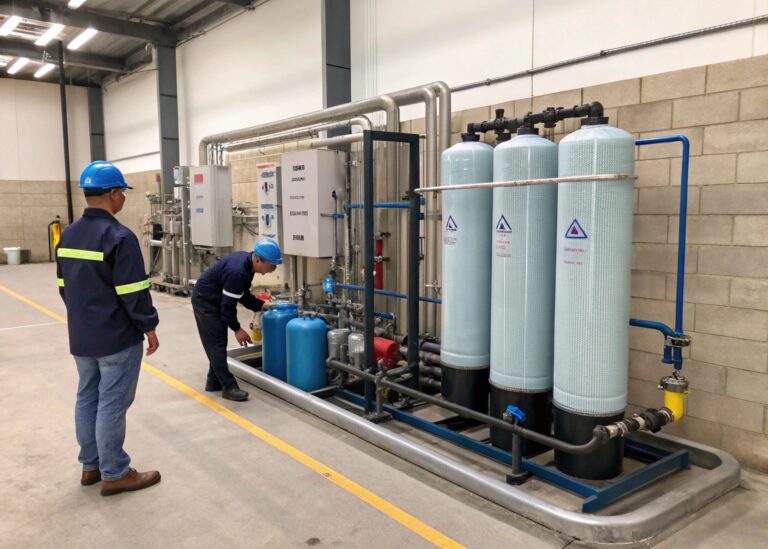
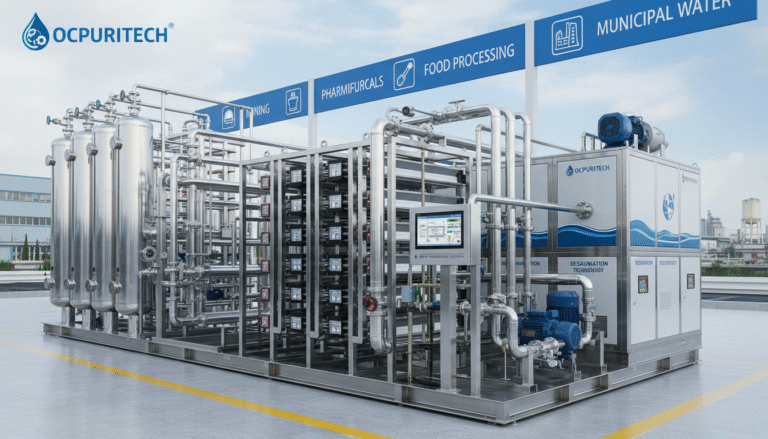
Modern well water treatment employs a combination of physical, chemical, and biological processes to remove harmful substances, ensuring compliance with international and local drinking water standards. Some prominent technologies include:
- Reverse Osmosis (RO): A highly effective membrane technology that removes dissolved solids, heavy metals, and pathogens by forcing water through semipermeable membranes. RO systems are well suited for areas with high salinity or industrial contaminants in groundwater.
- Ultrafiltration (UF): Filters suspended particles, bacteria, and viruses typically larger than 0.01 microns. Unlike RO, UF retains essential minerals and requires less energy.
- Electrodeionization (EDI): This process removes ionized species using electricity and ion-exchange resins without chemical regenerants, ideal for producing ultrapure water.
- Activated Carbon Filtration: Effective in removing chlorine, organic chemicals, and odors, improving water taste and reducing harmful disinfection byproducts.
- Ultraviolet (UV) Disinfection: Uses UV light to inactivate bacteria and viruses without chemicals, suitable for final disinfection stages.
These technologies are often integrated into modular treatment units tailored to the water quality challenges of specific wells. Combining pretreatment steps such as sediment filtration and water softening further optimizes system performance and longevity.

Facing Africa’s Water Scarcity: Challenges and Opportunities for Well Water Treatment
Africa’s diverse climate zones, from arid deserts to tropical rainforests, present varying water resource challenges. Many sub-Saharan regions experience frequent droughts, poor groundwater recharge rates, and increasing contamination from anthropogenic activities.
In these harsh environments, dependence on shallow wells increases, but these are often vulnerable to pollution from agriculture, mining, and inadequate sanitation. In my experience working with communities in East Africa, untreated well water often exhibits nitrate levels exceeding safe thresholds by 30-50%, leading to public health concerns such as methemoglobinemia in infants.
The demand for affordable well water treatment solutions has intensified. Notably, small towns and peri-urban areas require scalable systems that can efficiently handle seasonal water quality fluctuations. The market for residential and community-based treatment technologies is expanding rapidly, driven by government initiatives and international partnerships.
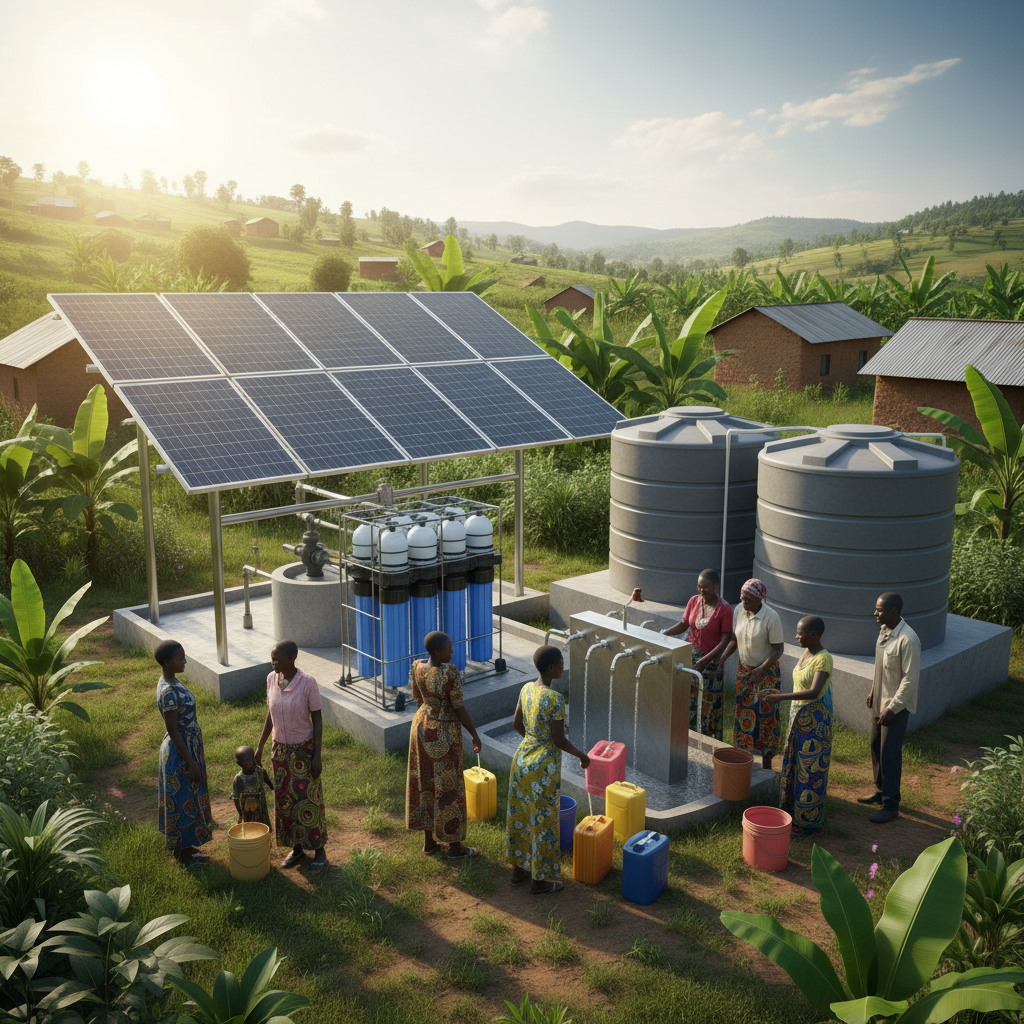
Moreover, industries like agriculture and manufacturing increasingly prioritize treated groundwater to ensure operational continuity and comply with environmental regulations. Integrating well water treatment with renewable energy sources such as solar power offers sustainable, off-grid water solutions, a vital factor for remote African locations.
Ensuring Compliance: Standards and Treatment Workflows for Safe Drinking Water
Adhering to strict water quality standards is paramount to preventing waterborne illnesses. African countries often align their regulations with the World Health Organization (WHO) guidelines, which specify maximum permissible levels for microbial, chemical, and physical parameters in drinking water.
A well-designed drinking water facility typically follows these core treatment stages:
| Treatment Stage | Primary Function | Key Technologies |
|---|---|---|
| Pre-Treatment | Remove large debris, suspended solids | Screen filters, sedimentation tanks |
| Softening & pH Adjustment | Reduce hardness, balance acidity | Ion exchange resin, lime dosing |
| Main Purification | Eliminate dissolved contaminants and pathogens | Reverse osmosis, ultrafiltration membranes |
| Disinfection | Inactivate residual microorganisms | Ultraviolet irradiation, chlorination |
| Post-Treatment Storage | Maintain water quality before distribution | Sealed tanks with recirculation |
Applying these standards ensures that treated well water meets safety benchmarks, thus protecting consumer health and enhancing public trust in water services.
Tailored Engineering for Diverse African Water Needs
Developing effective well water treatment systems demands careful customization according to community size, water quality, and infrastructure capacity. In several projects I’ve consulted on, scaling treatment units from 5 cubic meters per day for small villages to over 500 cubic meters for industrial zones required modular designs and flexible control systems.
Key features of these custom solutions include:
- Smart Pretreatment: Automated backflush filters and sediment traps extend membrane life and reduce maintenance frequency.
- Water Softening Modules: Particularly for groundwater with high calcium and magnesium, configurable ion-exchange units prevent scale buildup.
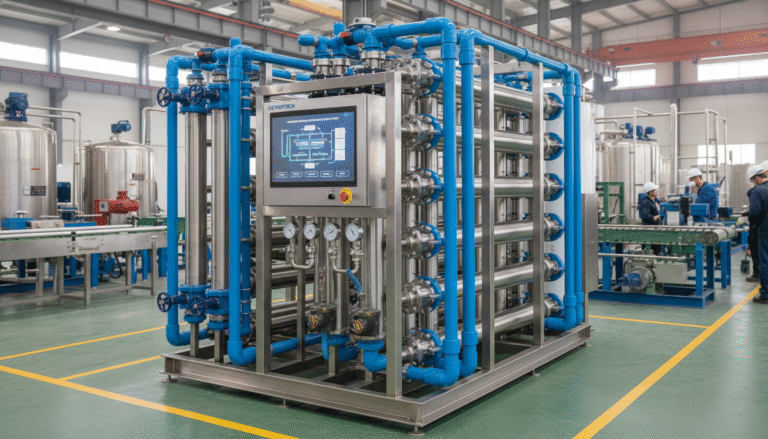
- Real-time Monitoring: Integration of pH, turbidity, and microbial sensors connected to cloud dashboards allows proactive management and regulatory reporting.
- Energy Efficient Design: Incorporating variable speed pumps and renewable energy integration reduces operational costs and carbon footprint.
During a community water project in West Africa, installing a customized ultrafiltration and RO system reduced local residents’ gastrointestinal infections by over 40% within six months. The modular setup enabled easy expansion as demand grew, demonstrating the value of adaptable engineering.

Real-world Successes: Applying Well Water Treatment Technologies Across Africa
Several projects illustrate the transformational impact of water treatment in African communities:
- Kenya Rural Community Upgrade: Installation of a solar-powered reverse osmosis system serving 2,000 inhabitants improved arsenic removal by 95%, boosting school attendance and reducing healthcare visits.
- South African Agricultural Enterprise: Implemented ion exchange and ultrafiltration ahead of crop irrigation, increasing water reuse efficiency by 30% and cutting operational costs.
- Nigeria Industrial Park: A comprehensive treatment facility supplying production and domestic water, featuring on-site monitoring, achieved consistent compliance with WHO standards, attracting foreign investment.
These examples underscore how targeted well water treatment solutions generate tangible social and economic returns, contributing to long-term sustainability and resilience in water management.
Advancing Africa’s Water Future Together
Ensuring safe, reliable access to groundwater through effective well water treatment systems is a cornerstone of Africa’s sustainable development. Our collective efforts—from policymakers to engineers, investors, and communities—must prioritize innovative, adaptable technologies tailored to local realities.
If your organization is exploring solutions for achieving water security and regulatory compliance, expert consultation can guide the design, deployment, and operation of state-of-the-art groundwater treatment systems. Early engagement facilitates optimized investment and maximizes social impact.
Contact your local water treatment specialists today to explore how customized well water treatment can be sustainably implemented in your region, paving the way for a healthier, prosperous Africa.
Data Source: According to recent research from the World Health Organization and the United Nations Environment Programme, integrating advanced well water purification methods significantly reduces contaminants in African groundwater, improving public health outcomes and supporting economic growth across vulnerable regions.