In today’s industrial and commercial sectors, the backbone of efficient operations often hinges on the quality and reliability of water treatment solutions. A robust water pretreatment system is essential to ensure process water meets stringent quality requirements, safeguards equipment longevity, and sustains operational excellence, especially in challenging environments. This article delves into core technologies underlying such systems, spanning reverse osmosis (RO) membranes, filtration and softening modules, containerized solutions, and advanced disinfection, offering insights drawn from both authoritative data and hands-on industry experience.
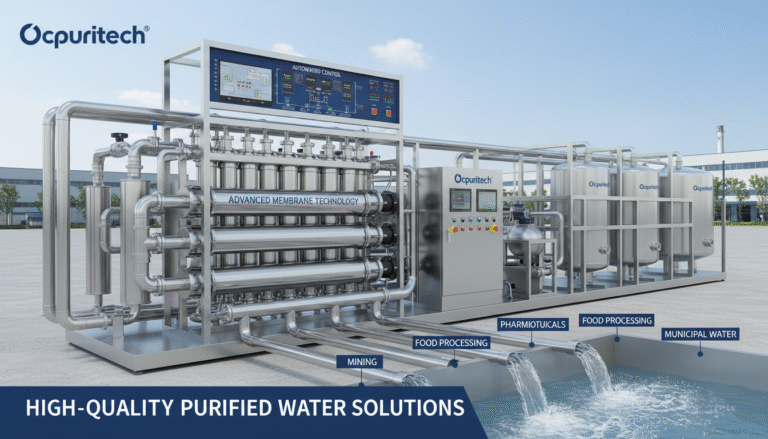
Advanced Reverse Osmosis (RO) Membrane Systems
RO membranes represent the pinnacle of selective water purification, efficiently removing dissolved salts and contaminants to produce high-purity water. Modern commercial membranes typically achieve salt rejection rates between 98% and 99.75% for sodium chloride (NaCl) under standardized test conditions involving controlled pressure and temperature.
According to industry data, membranes like the DuPont FilmTec BW30-400 demonstrate stabilized salt rejection at 99.5%, ensuring consistent performance in both brackish and seawater applications.
Beyond sodium chloride, RO membranes effectively reduce divalent ions too, including calcium, magnesium, iron, and sulfate, with rejection efficiencies often exceeding 95%. This selective ion removal is critical for preventing scaling and corrosion in downstream equipment.
From my experience overseeing water systems in the chemical manufacturing sector, deploying multi-stage RO setups tailored to feedwater salinity and flow demands enabled us to secure turbidity levels consistently below 0.5 NTU — well within industrial best practices. These setups also effectively lowered total hardness to below 50 ppm for make-up water, critical for boiler operation and process integrity.
Filtration and Softening Systems: The First Line of Defense
Pre-RO filtration and softening systems are indispensable to protect high-precision membranes and downstream processes. Filtration targets particulate matter and turbidity, where standards for drinking water typically mandate turbidity below 1 NTU, with EPA guidance favoring less than 0.3 NTU in most samples.
Meanwhile, water softening units reduce hardness ions (calcium and magnesium) to prevent scaling. While hardness is not regulated as strictly for drinking water, industrial best practices dictate total hardness below 50 ppm for makeup water and less than 100 ppm for boiler feed to avoid corrosive or scaling conditions.
In practice, we applied ion exchange softeners capable of producing water hardness under 10 mg/L in highly sensitive industrial boiler systems, reducing downtime related to scale deposits and chemical treatment. The modular design of filtration units also allowed fast scaling from 5 to 100 m³/hr capacity, accommodating plant expansions without significant downtime.
Containerized Water Treatment Solutions
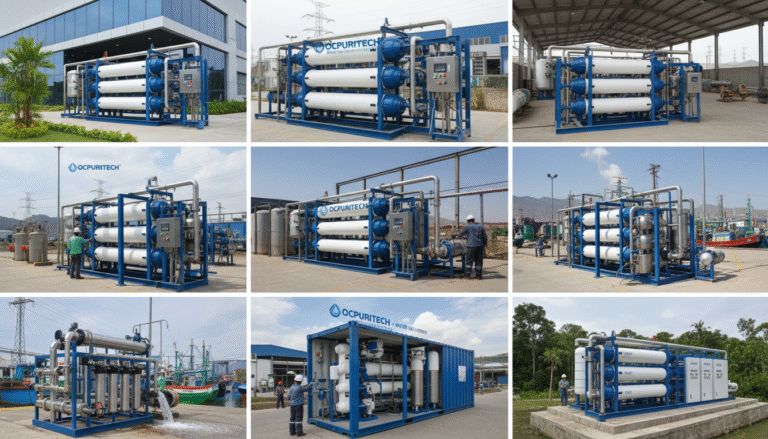
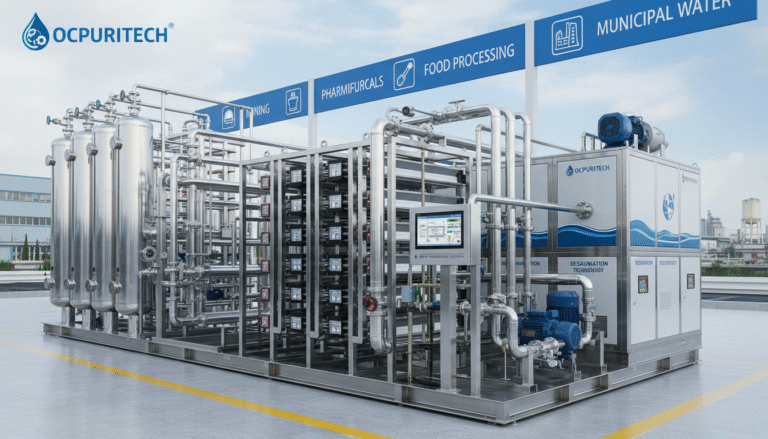
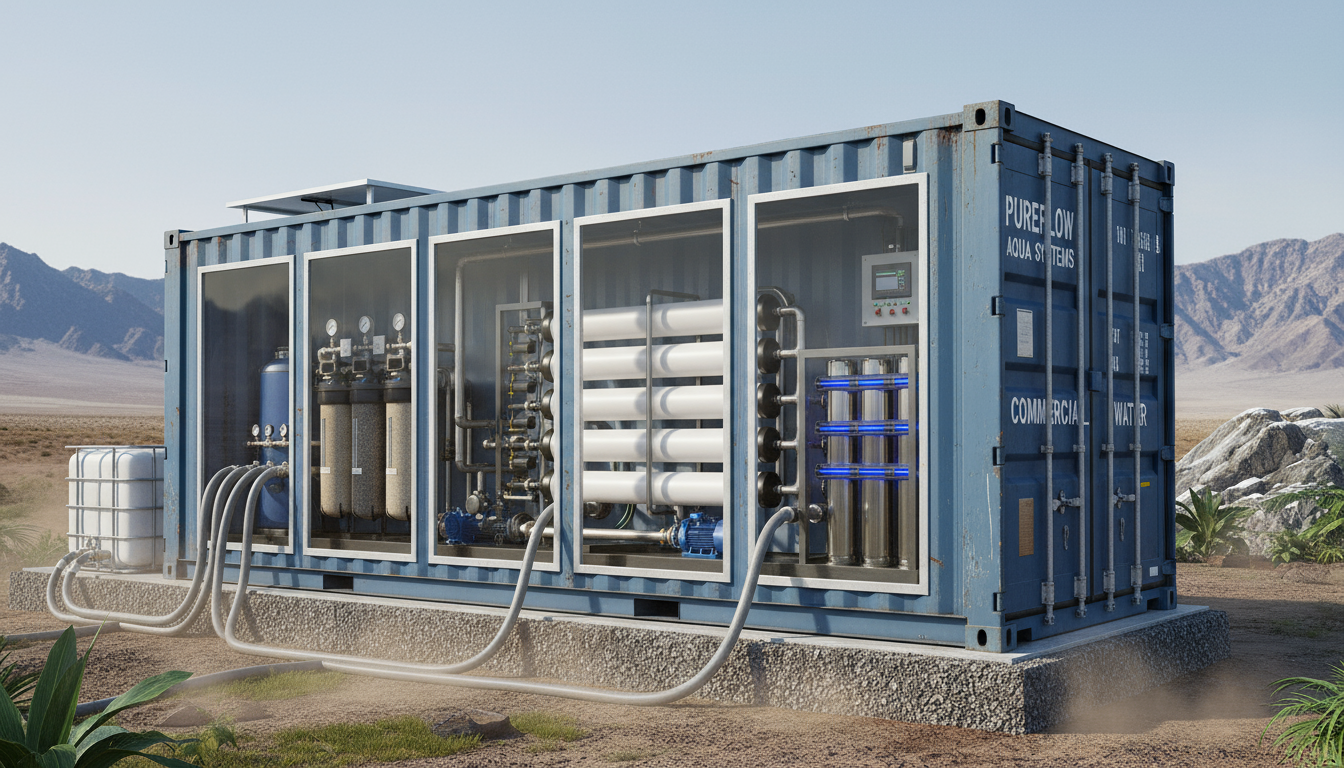
Containerized systems bundle pretreatment modules, including filtration, softening, reverse osmosis, and sometimes ultrafiltration, into compact, pre-fabricated units suitable for quick deployment in remote or constrained sites. Capacities can range from small 5 m³/hr units to large-scale 500 m³/hr solutions serving municipalities or industrial parks.
These turn-key systems strike a balance between portability and robust performance, making them ideal for offshore platforms, mining camps, and emergency water supply scenarios.
During a recent deployment for a remote mining operation, the containerized water pretreatment system reduced commissioning time by 40%, achieving process water turbidity under 0.2 NTU, with total hardness maintained at 35 ppm. The modularity allowed for future upscaling by simply linking multiple units in parallel.
Cleaning and Sterilization: UV Disinfection Systems
Maintaining microbiological water quality is critical across industrial and commercial facilities. Ultraviolet (UV) disinfection systems offer chemical-free pathogen inactivation, essential for both municipal and process water.
The U.S. EPA’s Ultraviolet Disinfection Guidance Manual specifies that achieving a 4-log (99.99%) reduction of chlorine-resistant protozoa such as Cryptosporidium requires a UV dose of approximately 12 mJ/cm².
For bacteria like Escherichia coli, required doses are significantly lower, enabling effective, rapid sterilization without residuals or byproducts.
In an industrial food processing facility I consulted for, integration of UV disinfection units downstream of primary filtration reduced microbial counts to below detection limits while eliminating the need for chlorination, thus improving product safety and regulatory compliance.
Versatile Application Scenarios of Industrial Water Pretreatment Systems
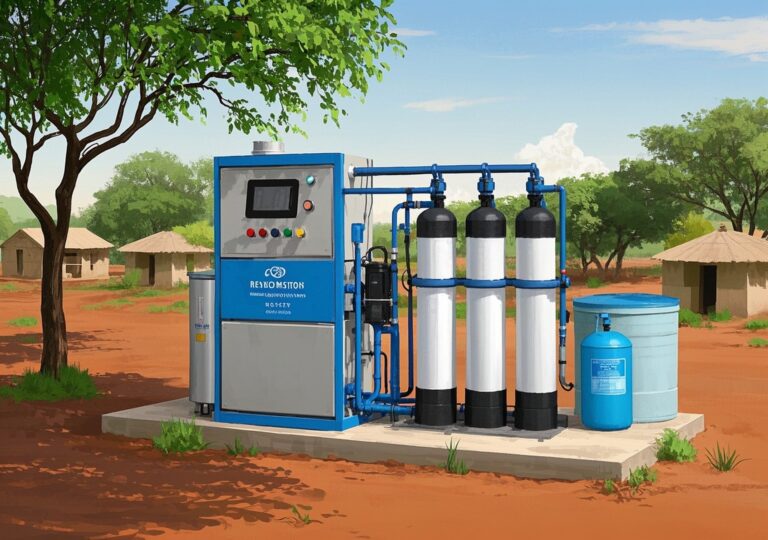
The adaptability of these water technologies extends beyond traditional plants. Seawater desalination utilizes high-capacity RO systems preceded by stringent filtration and softening stages to meet potable standards. Portable and containerized units serve emergency or military deployments, providing reliable drinking water purification in austere environments.
Remarkably, the International Space Station exemplifies cutting-edge water recycling, boasting a 98% recovery rate extracting potable water from astronaut sweat and urine through advanced membrane and catalytic treatment systems, underscoring the pinnacle of sustainable water reuse technologies (YourStory, 2023; NASA, 2023).
Based on authoritative sources:
– Drinking water turbidity is ideally below 1 NTU; EPA mandates ≤1 NTU with 95% samples <0.3 NTU.
– Total hardness thresholds for industrial water: <50 ppm for make-up; <100 ppm for boiler feed.
– RO membranes achieve 98-99.75% NaCl rejection.
– UV dose for 4-log Cryptosporidium inactivation is ~12 mJ/cm².
– ISS water recovery rate from wastewater is 98%, exemplifying extreme efficiency.
(Source: WHO, US EPA, DuPont, YourStory, NASA)
Conclusion: Aligning Technology with Operational Reliability
Deploying a comprehensive water pretreatment system incorporating high-efficiency RO membranes, rigorous filtration and softening, scalable containerized platforms, and proven UV disinfection creates a resilient backbone for industrial and commercial water needs in diverse environments. Authoritative parameters ensure water quality aligns with regulatory and operational criteria, while real-world projects confirm measurable gains in system uptime, maintenance cost reductions, and process reliability.
To harness these benefits, selecting equipment with demonstrated performance records and modular upgrade paths is essential. Tailoring solutions to site specifics, including feedwater quality and target use, maximizes return on investment and operational peace of mind.
References
- World Health Organization (WHO) – Hardness in Drinking-water Guidelines (2017)
- U.S. Environmental Protection Agency (EPA) – National Primary Drinking Water Regulations
- DuPont – FilmTec™ BW30-400 Membranes Product Data Sheet (2023)
- YourStory – NASA Achieves 98% Water Recovery on International Space Station (2023)
- NASA – NASA Achieves Water Recovery Milestone on ISS (2023)
- KETOS – Acceptable Turbidity Levels in Chemical Manufacturing Water Tanks (2024)
- U.S. EPA – Ultraviolet Disinfection Guidance Manual (2006)