Most people think brine disposal causes the biggest headaches for seawater desalination projects. But after 15 years of working with these systems, I see a different challenge that keeps project owners awake at night.
The biggest problem with seawater reverse osmosis systems isn't brine disposal or high energy costs - it's achieving consistent, economical operation over 5-10 years while maintaining stable performance despite changing seawater conditions and rising operational challenges.
When I talk with customers about their seawater desalination projects, many focus on immediate concerns like equipment prices and recovery rates. However, the real test comes years later when systems face the accumulated effects of membrane fouling, equipment corrosion, and fluctuating seawater quality.
What is the Biggest Problem with Seawater Reverse Osmosis Systems?
Environmental concerns about concentrated brine discharge dominate many discussions about seawater reverse osmosis problems. Regulatory pressure and public awareness make this seem like the primary challenge facing the industry.
Brine disposal creates environmental compliance challenges and requires careful management, but it's a known problem with established solutions like proper diffusion systems, brine dilution, and environmental monitoring protocols.
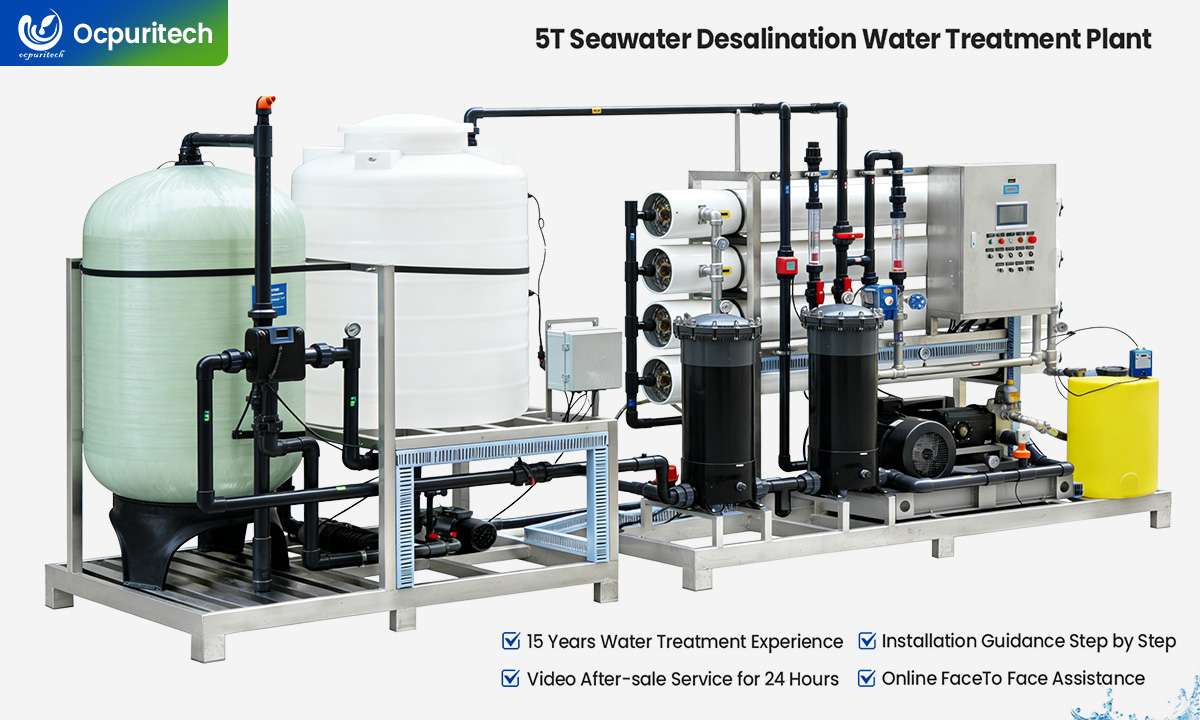
Brine disposal receives significant attention in seawater desalination projects because concentrated brine can affect marine ecosystems if not properly managed. As a result, environmental regulations often require impact assessments, monitoring programs, and carefully designed discharge systems.
However, based on my experience with seawater reverse osmosis systems, brine disposal is generally a predictable and manageable challenge. Proven solutions such as optimized outfall design, brine dilution, and energy recovery technologies can effectively reduce environmental impacts.
What makes brine disposal seem like the biggest problem is that it's visible and measurable. You can calculate volumes, model dispersion patterns, and monitor environmental impacts.
What Causes Bigger Headaches Than Brine Disposal?
Long-term operational stability creates far more complex and costly challenges than brine disposal for seawater reverse osmosis systems. These problems develop gradually and compound over time, making them harder to predict and manage.
System degradation, membrane fouling, energy efficiency decline, and maintenance cost escalation pose greater threats to project viability than brine disposal, often doubling operational expenses within five years of startup.
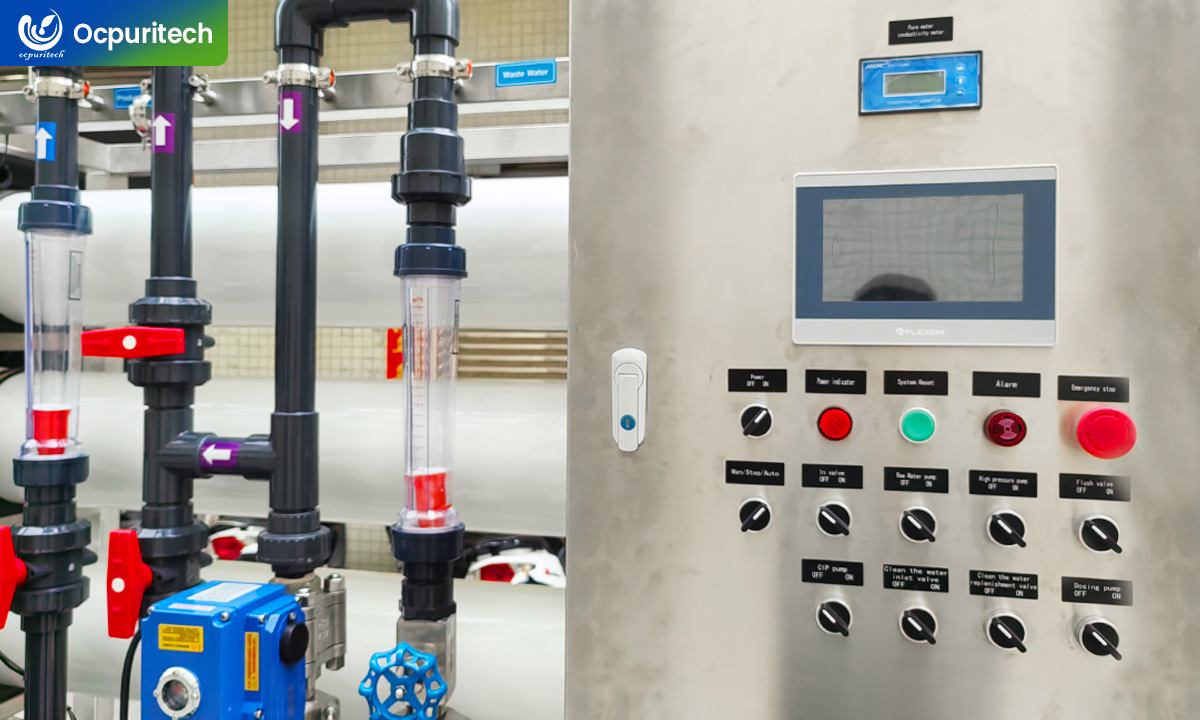
Based on my experience with seawater desalination projects, systems that perform well during commissioning can face major challenges after several years of operation. Firstly, the membranes start fouling more frequently. Energy consumption creeps up. Secondly, chemical cleaning cycles become more aggressive. Replacement parts cost more than expected.
Let me share a specific example. We worked with a resort in the Philippines that installed a 500 m³/day seawater RO system. During the first year, everything looked perfect - 45% recovery rate, 99.7% salt rejection, and energy consumption at 3.5 kWh/m³. The owners were thrilled.
However, by year three, the picture changed dramatically. Recurring algae blooms and turbidity fluctuations eventually caused severe membrane fouling, higher operating pressures, and more frequent chemical cleaning. As a result, operating costs increased significantly and the pretreatment system required upgrading.
Common Long-Term Challenges in Seawater RO Systems
- ▪ Membrane fouling and scaling
- ▪ Increased energy consumption
- ▪ Equipment corrosion in marine environments
- ▪ Higher chemical cleaning requirements
- ▪ Unexpected maintenance and replacement costs
- ▪ Seasonal seawater quality fluctuations
The real challenge is not simply producing freshwater, but maintaining consistent system performance, low operating costs, and long membrane life over many years. This is why long-term operational stability remains one of the most important factors in the success of any seawater reverse osmosis system.
How Seasonal Changes Affect a Seawater Reverse Osmosis System?
Seawater composition changes throughout the year create cascading effects that challenge even well-designed reverse osmosis systems. Temperature fluctuations, algae blooms, and storm events introduce variables that static design parameters cannot accommodate.
Seasonal seawater quality variations can reduce membrane life by 40-60% and increase cleaning frequency by 200-300% during challenging periods, making consistent operation the primary technical challenge for coastal desalination plants.
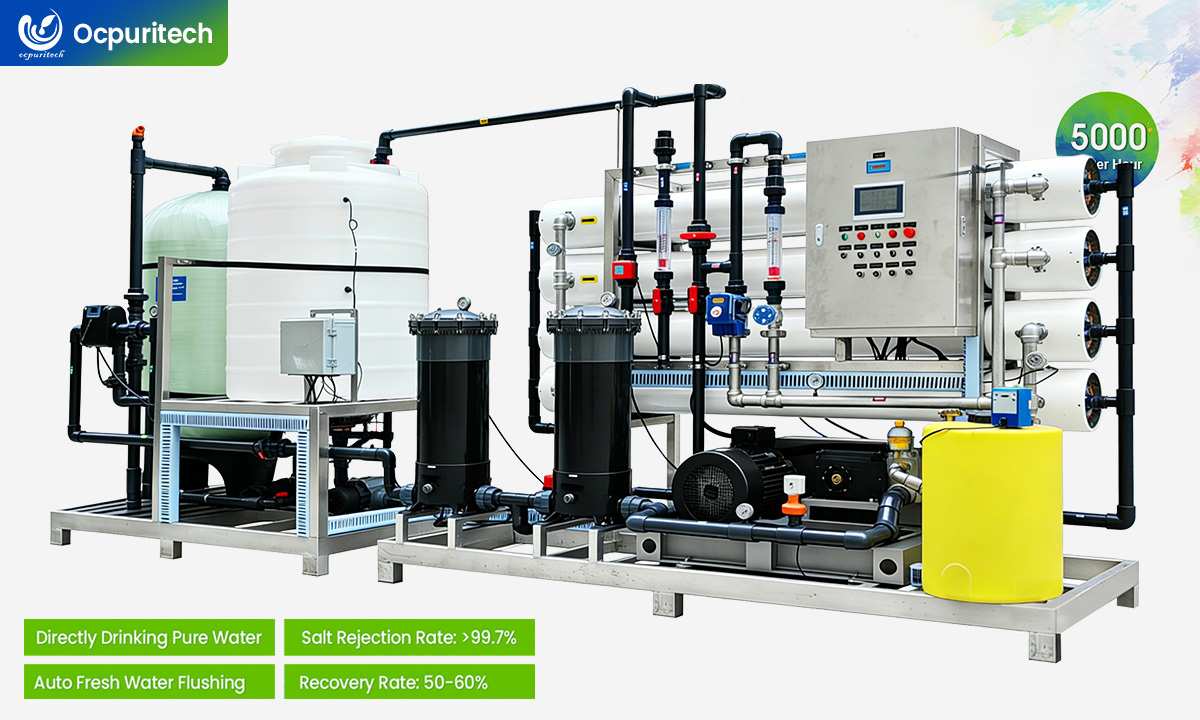
Temperature Fluctuations: Changes in seawater temperature affect membrane permeability, salt rejection, and scaling potential.
Turbidity Spikes: Storms and monsoon seasons can increase suspended solids, placing additional stress on pretreatment systems.
Algae Blooms: Warm-water conditions promote biological growth, increasing the risk of membrane fouling and more frequent cleaning.
Marine Organisms: Jellyfish, seaweed, and other marine debris can clog intake systems and disrupt plant operation.
Therefore, the combined effect of these seasonal changes can reduce system efficiency, increase operating pressure, shorten membrane life, and raise overall operating costs. In conclusion, oversized pretreatment systems, flexible chemical dosing, and redundant filtration stages can help maintain stable performance while reducing long-term maintenance costs.
Why Does Higher Recovery Rate Actually Increase Problems?
Pushing recovery rates beyond optimal levels creates a cascade of operational problems that often outweigh the benefits of increased water production. The pursuit of maximum water yield frequently leads to higher long-term costs and reduced system reliability.
Recovery rates above 45-50% for seawater RO systems typically increase scaling risk by 300-400%, reduce membrane life by 2-3 years, and raise chemical costs by 150-200% while providing only marginal gains in water production efficiency.
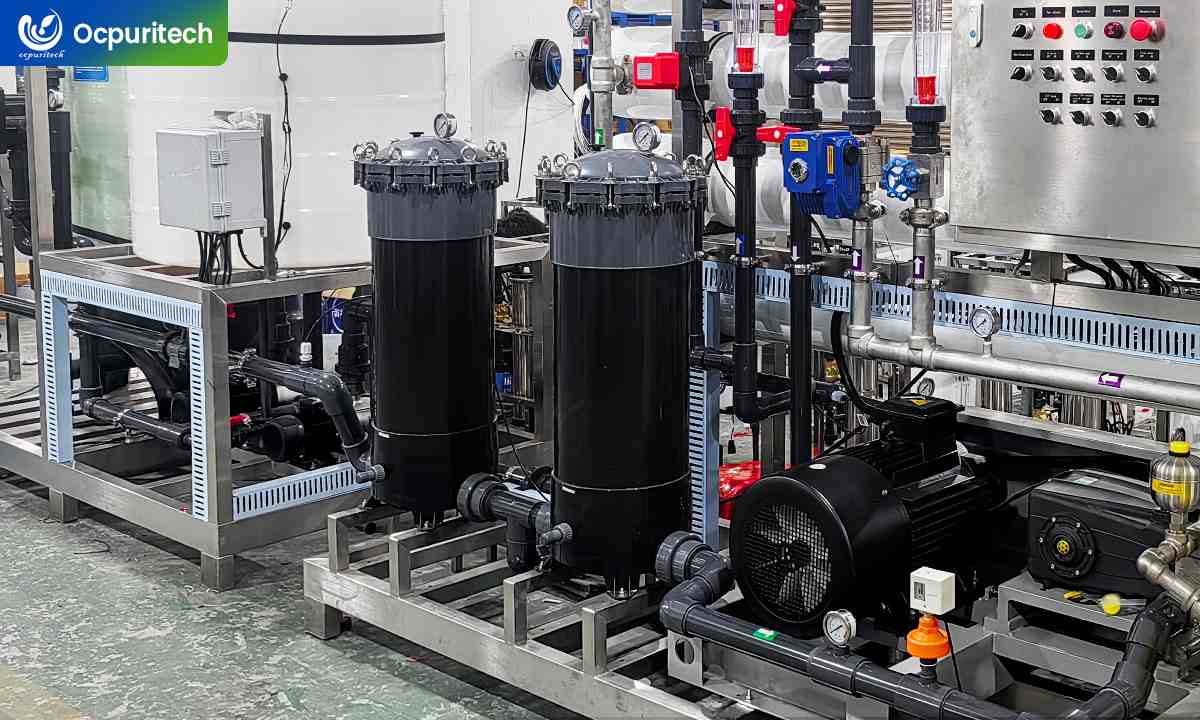
I constantly hear customers requesting 55-60% recovery rates because they want to minimize brine discharge and maximize freshwater production. This sounds logical, but the mathematics of membrane chemistry tell a different story.
As recovery rate increases, dissolved salts concentrate in the brine stream. At 40% recovery, the brine contains about 1.7 times the salt concentration of feed water. At 55% recovery, this jumps to 2.2 times. This dramatic increase in concentration drives scaling reactions, particularly for calcium sulfate, barium sulfate, and silica.
Let me show you real data from a 1000 m³/day plant we optimized in South Africa. The customer initially wanted 58% recovery to minimize environmental impact. After six months of operation, they were cleaning membranes weekly and replacing elements quarterly.
We conducted a detailed analysis and reduced recovery to 47%. The results were dramatic:
| Performance Metric |
58% Recovery |
47% Recovery |
Improvement |
| Cleaning Frequency |
Weekly |
Monthly |
75% reduction |
| Membrane Life |
1.5 years |
4+ years |
167% increase |
| Chemical Costs |
$2,400/month |
$950/month |
60% reduction |
| Energy per m³ |
4.8 kWh |
3.9 kWh |
19% reduction |
| Total Operating Cost |
$0.67/m³ |
$0.51/m³ |
24% savings |
The customer sacrificed 11% of water production but reduced operating costs by 24%. The environmental impact actually improved because lower chemical usage and longer membrane life reduced overall waste streams.
This example illustrates why I always recommend optimizing for total cost of ownership rather than maximum recovery. The sweet spot for most seawater applications falls between 42-48% recovery, depending on feed water quality and seasonal variations.
Higher recovery rates also stress the final membrane elements in the system. These elements see the highest salt concentrations and experience the most severe fouling. Replacing these elements frequently negates any benefits from increased water production.
What Determines the Long-Term Success of a Seawater Reverse Osmosis System?
System longevity depends on integrated design approaches that prioritize operational flexibility, maintenance accessibility, and adaptive capacity over maximum theoretical performance. Successful systems balance multiple competing factors rather than optimizing single parameters.
Long-term seawater RO success requires robust pretreatment design, energy recovery optimization, predictive maintenance protocols, and operational flexibility to handle 20-30% variations in feed water quality while maintaining economic viability over 15-20 year lifecycles.
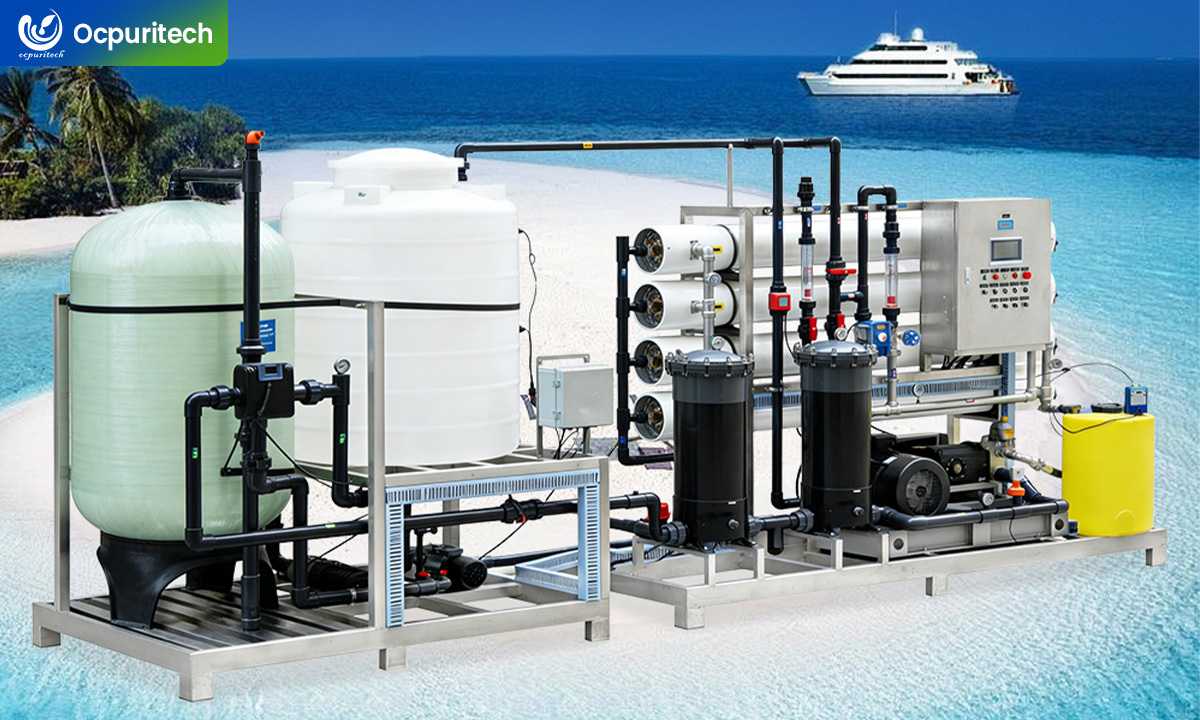
After working on hundreds of seawater desalination projects, I have found that several factors consistently determine long-term performance:
Key Factors for Long-Term Seawater RO Success
Robust Pretreatment: First, pretreatment design help protect membranes from fouling, scaling, and seasonal water quality fluctuations.
Efficient Energy Recovery: High-efficiency energy recovery devices can significantly reduce operating costs and improve overall system economics.
Reliable RO Membranes: Membranes should be selected based on proven field performance, chemical compatibility, and long-term availability.
Real-Time Monitoring: Continuous monitoring of pressure, conductivity, flow rate, and dosing systems allows operators to identify issues before they affect production.
Operator Training: Well-trained operators are essential for identifying fouling, scaling, and performance changes at an early stage.
In my experience, the most successful seawater desalination plants focus on lifecycle performance rather than maximum recovery rates. By prioritizing operational flexibility, preventive maintenance, and consistent system monitoring, plant owners can reduce operating costs, extend membrane life, and improve long-term reliability.
How to Reduce Problems in a Seawater Reverse Osmosis System ?
Although seawater reverse osmosis systems face many operational challenges, most long-term problems can be significantly reduced through proper system design and proactive maintenance.
Based on my experience, the most effective strategies include:
- ▪ Designing pretreatment systems for worst-case seawater conditions rather than average conditions.
- ▪ Keeping recovery rates within the optimal range of 42–48%.
- ▪ Installing high-efficiency energy recovery devices.
- ▪ Selecting corrosion-resistant materials for marine environments.
- ▪ Implementing predictive maintenance and real-time monitoring systems.
- ▪ Training operators to identify membrane fouling and scaling issues early.
Projects that focus on long-term operational stability rather than maximum theoretical performance typically achieve lower operating costs, longer membrane life, and more reliable freshwater production.
Additional Insights From 15 Years of Seawater RO Experience
After working with seawater reverse osmosis systems for more than 15 years, I have found that many project owners focus heavily on equipment specifications, membrane brands, and recovery rates during the purchasing stage. However, the projects that perform best over the long term are rarely those with the highest recovery rates or the lowest equipment costs.
In my experience, successful seawater desalination projects are built around operational flexibility. Seawater conditions can change dramatically throughout the year, and systems must be designed to handle seasonal fluctuations, biological fouling, and unexpected water quality events. A slightly more conservative design often delivers significantly lower operating costs and fewer maintenance problems over the system's lifetime.
When evaluating a seawater reverse osmosis system, I always recommend looking beyond the initial investment and focusing on total lifecycle performance, because long-term reliability ultimately determines whether a desalination project succeeds or struggles.
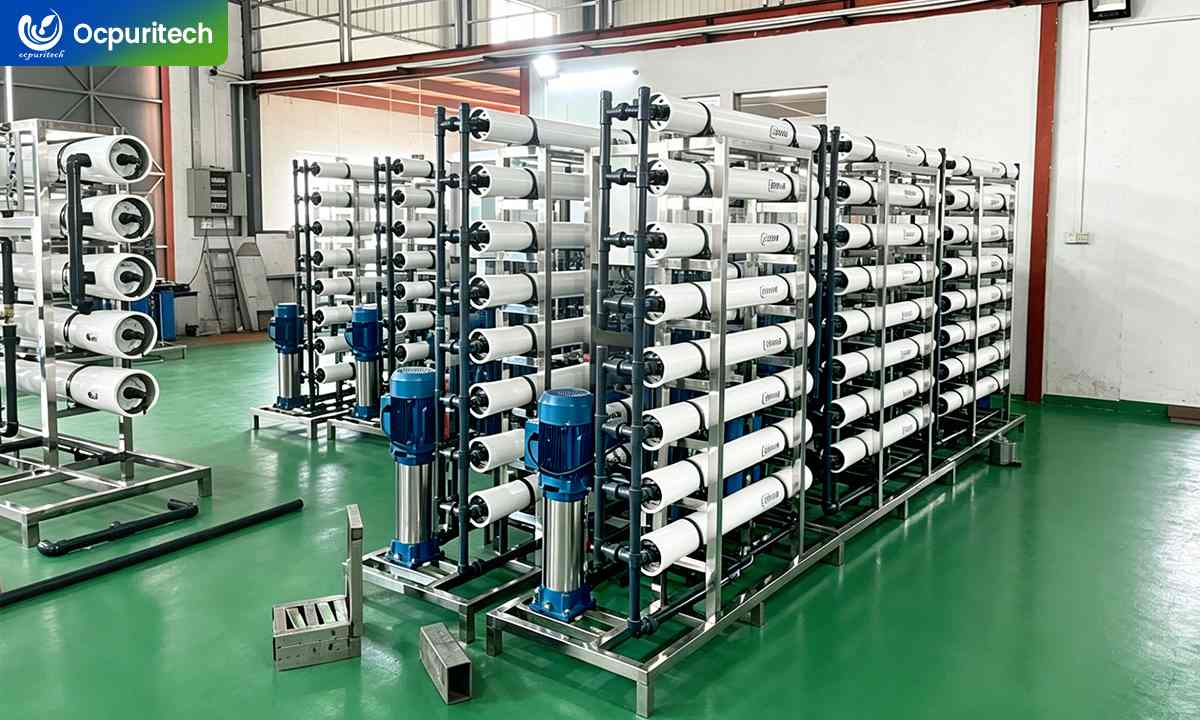
At Ocpuritech, we typically recommend designing seawater reverse osmosis systems based on worst-case feed water conditions rather than average seawater quality. This approach helps reduce membrane fouling, lower maintenance costs, and improve long-term operational reliability.
Conclusion
The biggest seawater reverse osmosis challenge isn't brine disposal - it's maintaining consistent, economical operation over decades while adapting to changing conditions and preventing gradual performance degradation.
Whether you are planning a new desalination project or upgrading an existing system, our engineering team can provide practical solutions to improve reliability, reduce operating costs, and extend membrane life.
Contact us today to discuss your seawater desalination requirements.