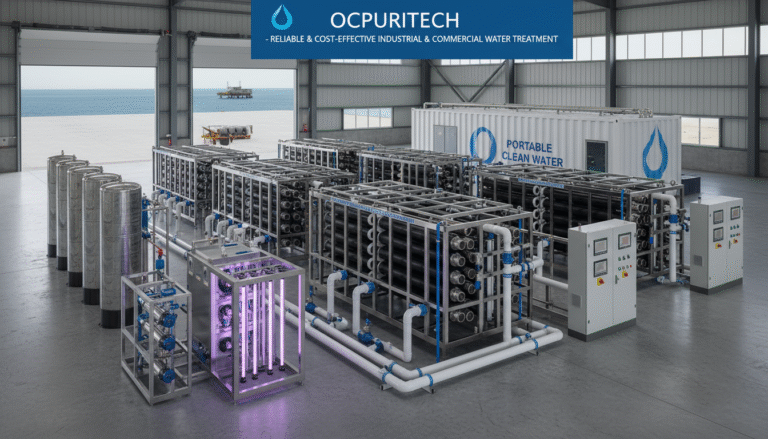
Natural spring water is becoming an attractive source for bottled water production and commercial drinking water projects. However, even clear spring water may contain bacteria, suspended solids, excessive minerals, and other contaminants that affect final water quality.
Spring water needs proper purification to remove hidden contaminants, including bacteria, minerals, and pollutants. Treatment ensures long-term stability, meeting drinking water standards for safety and health.
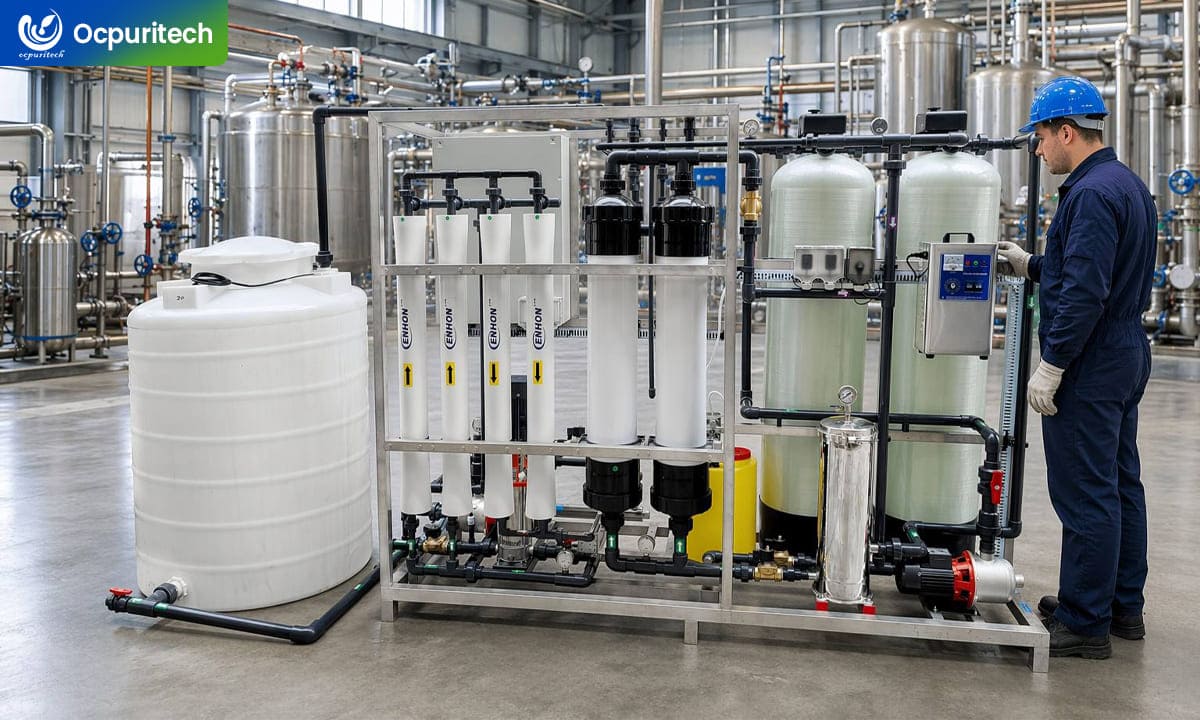
Natural spring water may look pure, but it’s not always free from harmful substances. Let’s explore why treatment is essential for turning spring water into safe drinking water.
1. Why Does Natural Spring Water Need Treatment?
Seeing clear spring water flowing from the mountains might make you think it's clean enough to drink. But appearances can be deceiving, and untreated spring water can pose health risks.
Spring water can contain bacteria, parasites, excess minerals, and pollutants due to seasonal changes, wildlife activities, and surrounding agriculture, making it unsafe for direct consumption without purification.
Spring water, though filtered through layers of soil and rocks, lacks biological filtration. This means microorganisms like E. coli, parasites, and harmful substances from agricultural runoff or animal activities can seep into the water. While pristine mountain springs do exist, they are rare and isolated. Without professional treatment systems, the water might not meet safe drinking standards, especially for vulnerable individuals like children or pregnant women.
Below is a table summarizing the key risks of untreated spring water:
| Risk Factors |
Description |
Health Impacts |
| Microorganisms |
Bacteria and parasites from wildlife and agriculture |
Diarrhea, infections, and illness |
| Excess Minerals |
High levels of calcium, magnesium, or heavy metals |
Potential kidney issues, toxicity |
| Seasonal Variations |
Changes in water quality due to rain and runoff |
Unstable safety for consumption |
| Contamination |
Pollutants like pesticides or animal waste |
Long-term health risks |
Addressing these risks requires the use of professional spring water treatment systems. Let’s look at how these systems work.
2. What is a drinking water treatment system?
A spring water treatment system can transform natural spring water into safe, clean drinking water. Choosing the right technology depends on the contaminants present in the water.
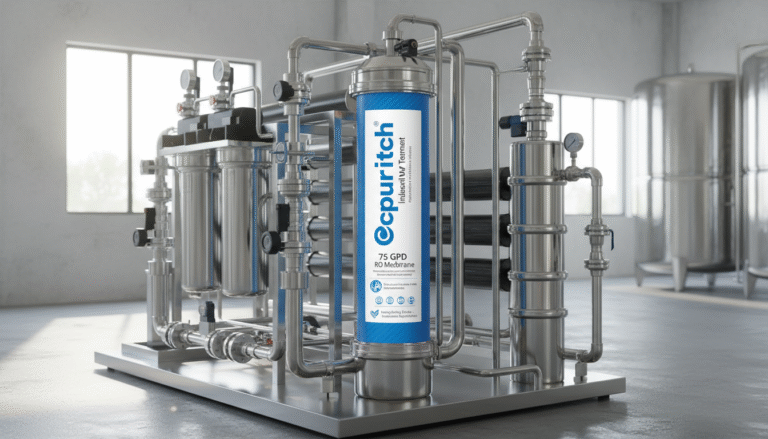
Drinking water treatment systems include multi-media filters, ultrafiltration (UF), reverse osmosis (RO), and disinfection technologies like UV and ozone to ensure the water is purified and safe.
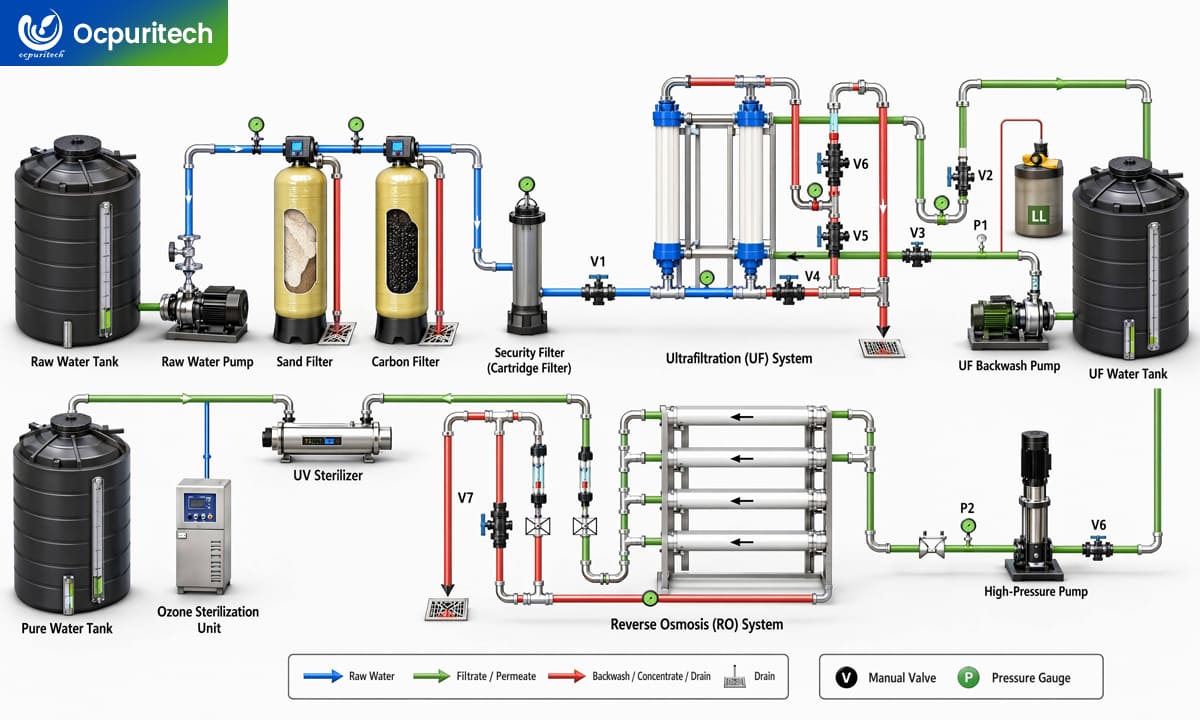
Here’s a breakdown of the key components of a drinking water treatment system:
-
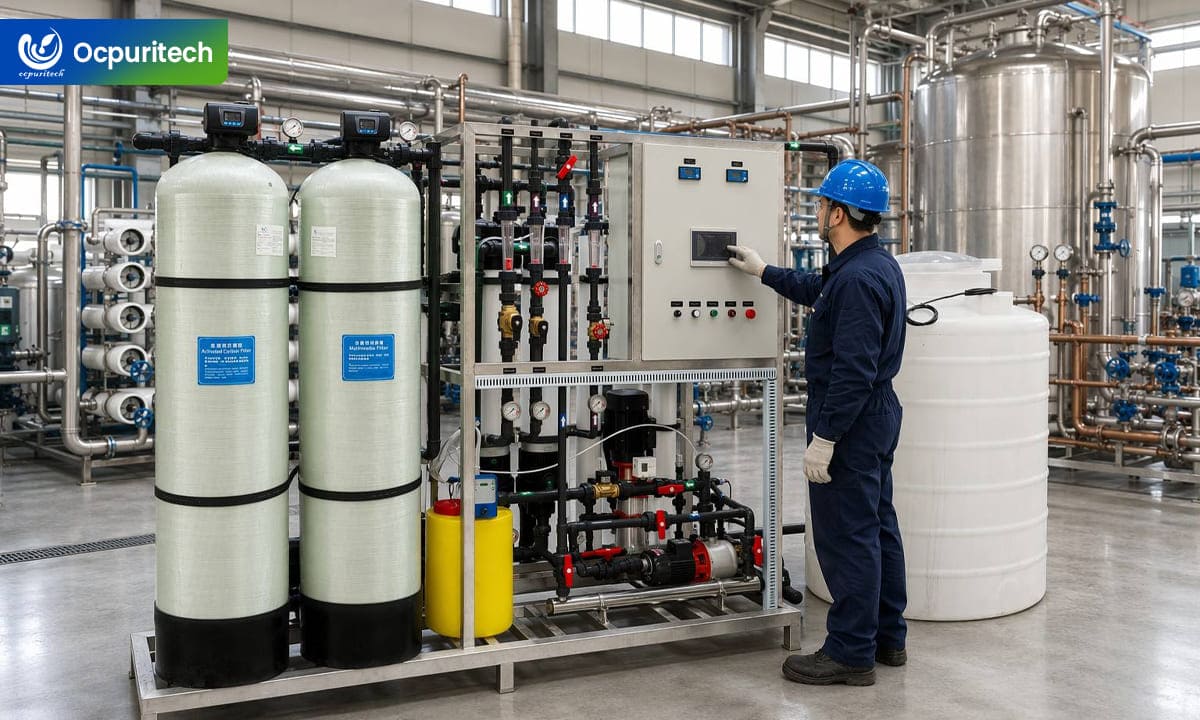
Raw Water Pretreatment System: This first stage uses quartz sand and activated carbon filters to remove suspended solids, odors, and organic compounds, preventing downstream contamination.
-
Ultrafiltration (UF): Ideal for bottled mineral water brands emphasizing mineral content, UF membranes physically block bacteria, cysts, and particles while preserving essential minerals.
-
Reverse Osmosis (RO): For water sources with dissolved pollutants like heavy metals or nitrates, RO technology removes up to 99% of contaminants, achieving pure drinking water standards.
-
UV/Ozone Disinfection: These methods eliminate residual pathogens and prevent bacterial regrowth during storage and distribution, ensuring long-term safety.
Below is a table summarizing the components and their functions:
| Component |
Purpose |
Implementation Area |
| Multi-Media Filter |
Removes solids, odors, organics |
Pretreatment stage |
| Ultrafiltration |
Preserves minerals while filtering bacteria |
Mineral water processing |
| Reverse Osmosis |
Eliminates dissolved pollutants for pure water |
High TDS or heavy metal water |
| UV/Ozone Disinfection |
Kills residual pathogens and prevents regrowth |
Final purification stage |
Understanding these technologies helps in choosing the right system for your specific needs.
3. How to choose the right spring water treatment system?
Selecting the right system requires analyzing the water source and understanding production needs. Factors like capacity, automation, and maintenance costs matter.
Consider raw water analysis, output capacity, required water quality, automation features, and maintenance needs when choosing the most suitable spring water treatment system.
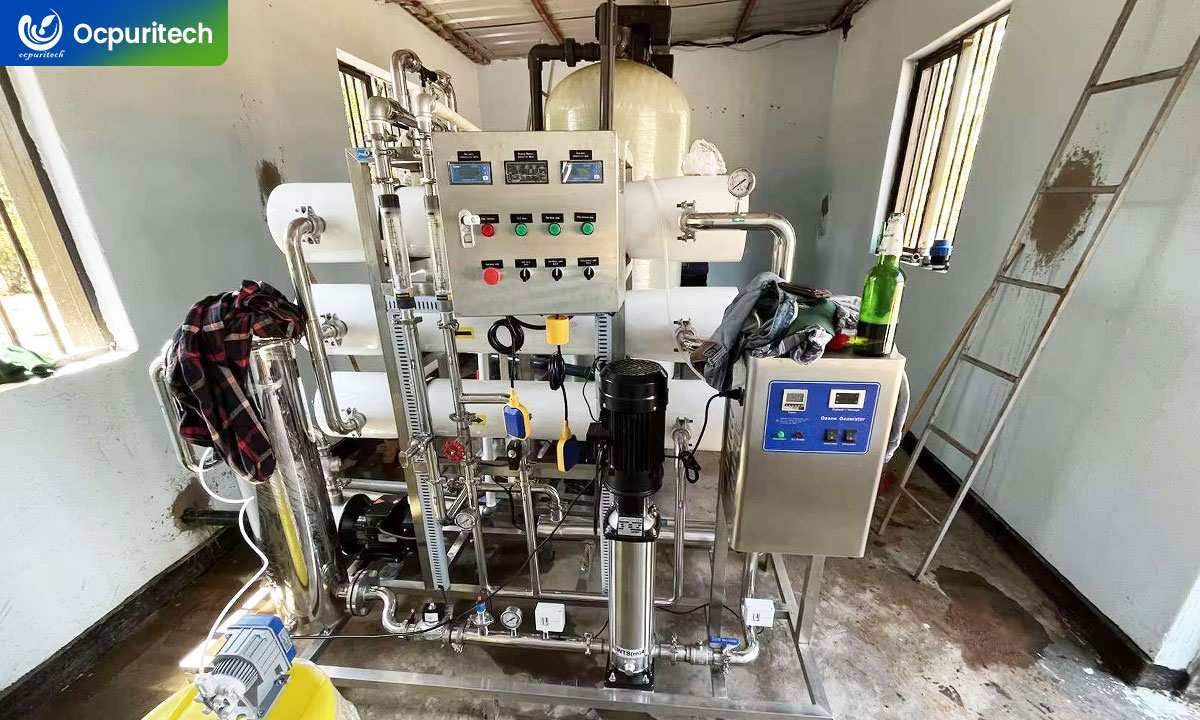
When I work with clients to design spring water treatment systems, I always start with a detailed analysis of the source water. This helps determine the necessary technologies to address specific contaminants. Additionally, production capacity and final quality standards are crucial for commercial bottled water ventures.
The table below outlines the key considerations when choosing a system:
| Factor |
Importance |
Example Features |
| Raw Water Analysis |
Identifies contamination and necessary treatment steps |
Heavy metal, nitrate, TDS testing |
| Capacity Needs |
Ensures system meets production demands |
High-flow rate systems |
| Final Water Quality |
Matches standards for bottled or drinking water |
Mineral preservation or pure water |
| Automation Level |
Improves efficiency and ease of operation |
PLC control, HMI interface |
| Maintenance Costs |
Balances performance with operational expenses |
Auto backwash, CIP systems |
By evaluating these factors, you can ensure the selected system meets your business goals while providing safe drinking water.
4. Applications of drinking water treatment systems
Spring water purification systems aren’t limited to bottling plants. They have diverse applications across various industries and settings.
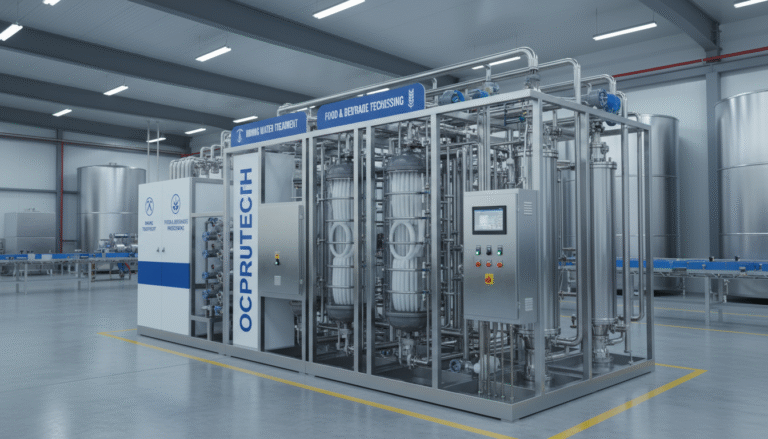
Drinking water treatment systems are widely used in bottled water facilities, hotels, resorts, farms, and rural water projects. They ensure safe and reliable water supply.
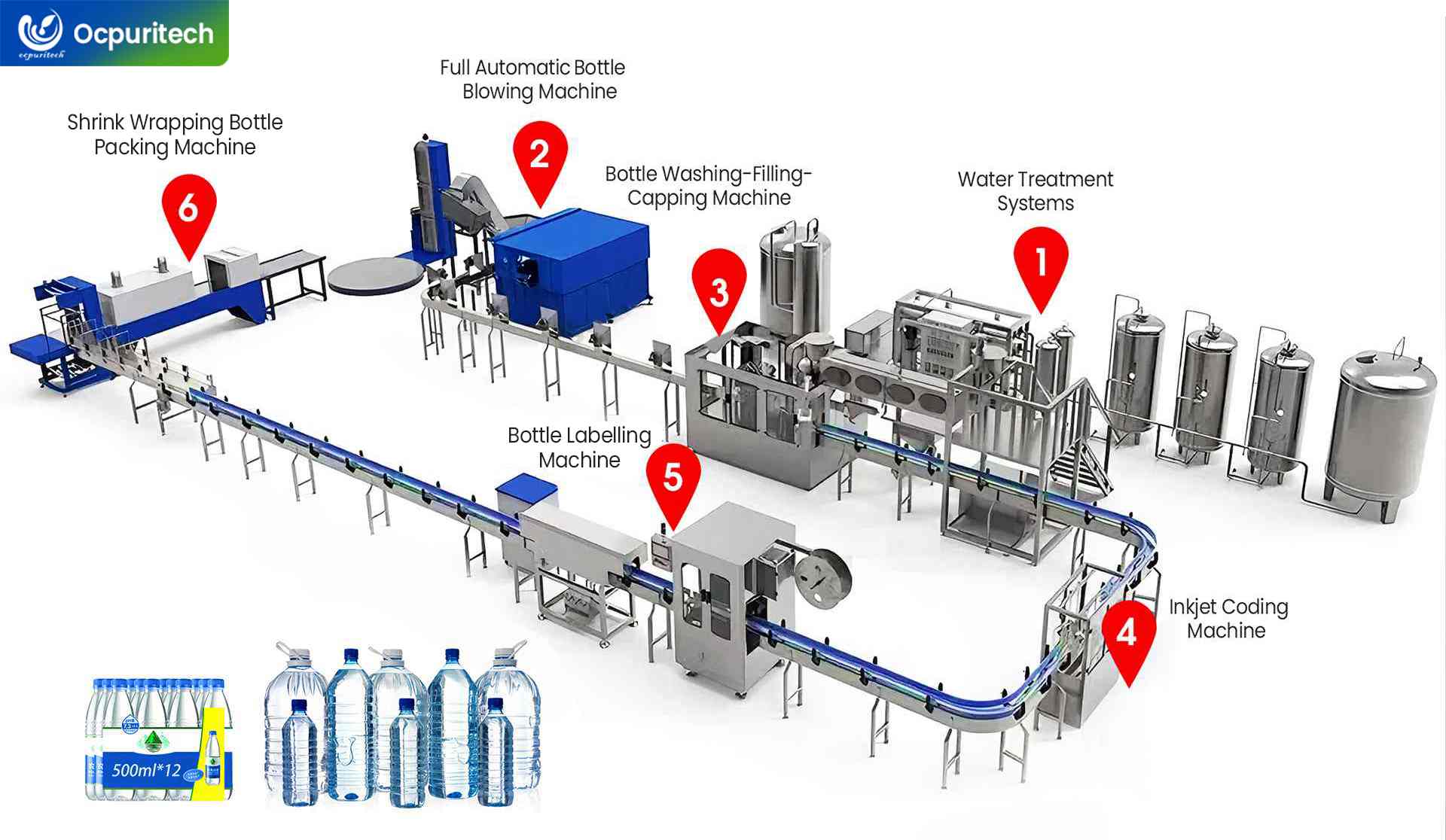
Some common applications include:
-
◉ Bottled Water Plants: Produce mineral or purified water conforming to strict standards.
-
◉ Hospitality: Provide safe water for guests in hotels, resorts, and spas.
-
◉ Rural Drinking Water Projects: Address water safety in underserved communities, offering access to potable water for schools, homes, and healthcare centers.
-
◉ Agriculture and Farms: Supply clean water for crop irrigation and livestock hydration.
With customized systems, spring water treatment can cater to a wide range of needs across industries.
5. Conclusion
Spring water may look naturally clean, but hidden contaminants and unstable water quality make professional treatment indispensable for commercial use. Proper spring water treatment removes harmful bacteria, excess minerals and pollutants, ensuring consistent water quality that meets official drinking and bottled water standards.
If you need a customized spring water treatment solution for your project, send us your raw water test data and production requirements. Our professional team will design a tailored purification system to fit your budget and water quality standards.
FAQ for Spring Water Treatment Projects
Q1: Can mountain spring water be drunk directly after boiling?
Boiling only kills bacteria and cannot remove heavy metals and chemical pollutants, so it is not applicable for commercial projects. Only systematic spring water treatment with filtration and sterilization processes can meet commercial direct drinking standards.
Q2: How is spring water filtered?
Spring water treatment system usually includes several stages: pretreatment, filtration, membrane purification, and disinfection. The exact process depends on raw water quality, including TDS, hardness, microorganisms, and contaminants.
Q3: What's the difference between well and spring water?
Both well and spring water come from underground sources.
Q4: What is the best TDS value for drinking spring water?
The optimal TDS range is 10–60 mg/L. Water in this interval has moderate mineral content, sweet taste, and is most suitable for long-term human drinking.
Q5: How to quickly judge whether spring water is polluted?
On-site observation can eliminate heavily polluted water sources, but commercial projects require professional water quality testing reports. According to the test data, engineers can configure the most cost-effectivespring water treatment process and equipment combination to ensure project qualification rate.