Introduction: The Crucial Role of Advanced Water Treatment Solutions
In the face of escalating global water scarcity and industrial demands, advanced water treatment technologies have emerged as indispensable solutions. Specialized companies with deep expertise in industrial and marine water treatment systems are leading the innovation curve, delivering scalable, efficient, and reliable equipment tailored to diverse applications. Their core competence lies in integrating advanced filtration, reverse osmosis, and disinfection technologies to ensure consistent water quality. For individuals searching for water treatment near me, understanding these innovative technologies is key to making informed choices that balance operational efficiency and environmental stewardship.
Overview of Key Water Treatment Equipment and Technologies
Modern water treatment plants typically deploy a suite of equipment designed to address different stages of purification:
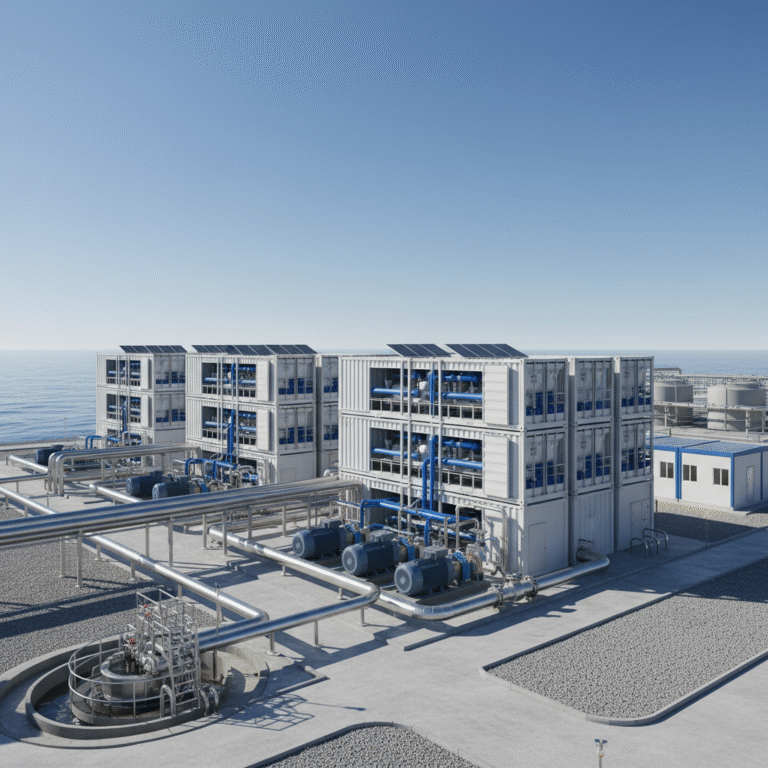
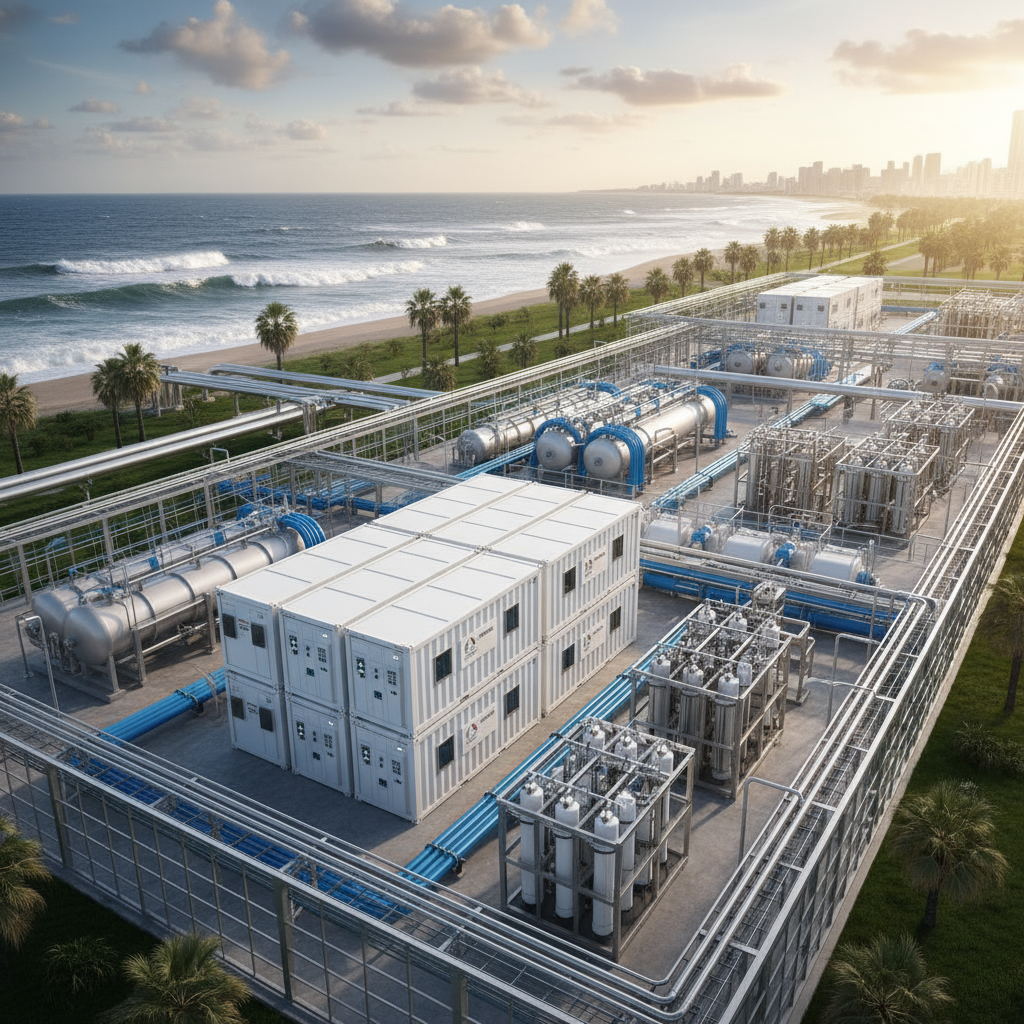
– **Reverse Osmosis (RO) Membrane Systems**: At the heart of many treatment plants, RO membranes selectively filter dissolved salts, organics, and pathogens. These systems range in capacity from small-scale units suitable for localized needs up to industrial modules capable of processing thousands of cubic meters daily.
– **Pre-treatment Filtration Units**: Including multimedia filters, ultrafiltration membranes, and activated carbon units, these are essential for removing suspended solids, turbidities, and chlorine, thus protecting RO membranes and enhancing system longevity.
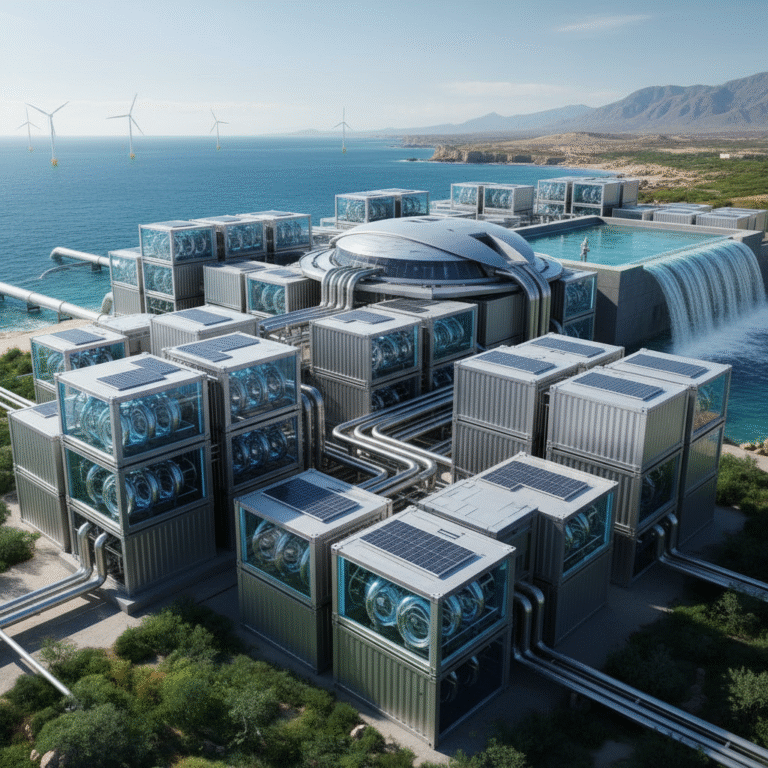
– **Containerized Systems**: Compact and modular containerized solutions have gained prominence for their ease of deployment and scalability, especially in remote or space-constrained locations.
– **Disinfection Technologies**: UV sterilizers and advanced oxidation processes ensure microbial safety by effectively inactivating bacteria, viruses, and other pathogens without chemical residues.
These technologies are available in varied specifications, encompassing raw water pressures from as low as 5 bar to high-pressure units above 12 bar, and operating capacities from a few liters per hour to large-scale industrial throughput.
Seawater Reverse Osmosis (SWRO) Systems: Specialized Applications and Advantages
Seawater RO represents a pivotal technology in desalination, converting saline water into potable freshwater with remarkable efficiency. Core performance parameters include:
– **Recovery Rate**: Modern SWRO systems achieve recovery rates between 40-50%, balancing water extraction with membrane longevity.
– **Salt Rejection**: Typically exceeding 99%, ensuring the removal of nearly all dissolved salts and minerals.
– **Energy Consumption**: Progressive energy recovery devices and optimized membrane designs have reduced specific energy usage to approximately 3-4 kWh per cubic meter of product water.
From my experience consulting on multiple coastal desalination projects, SWRO units designed with robust corrosion-resistant materials and modular configurations drastically reduce downtime and maintenance costs. For instance, in a recent industrial project, our customized SWRO system delivered a 25% improvement in energy efficiency while maintaining compliance with stringent water quality standards.
Global Water Resource Challenges and the Strategic Importance of Desalination
The global freshwater deficit is an alarming reality, with over 2 billion people lacking access to safe drinking water. Compounded by climate change, population growth, and industrial expansion, the pressure on existing freshwater resources intensifies.
In response, seawater desalination via advanced treatment technologies has become a strategic imperative. Emerging trends emphasize:
– **Integration of renewable energy sources** to mitigate the carbon footprint of desalination.
– **Development of hybrid systems** combining SWRO with thermal or alternative membrane technologies.
– **Scaling solutions** for both urban megacities and isolated communities.
This trajectory aligns with a shift towards sustainable water management worldwide, underscoring the relevance of cutting-edge water treatment technologies for both municipal and industrial stakeholders.
Technological Innovations Enhancing Water Treatment Efficiency
New-generation water treatment systems are characterized by significant performance enhancements:
– **Membrane Material Advances**: High-flux membranes with improved fouling resistance extend service intervals by 30-50%.
– **Smart Monitoring and Control**: Integration of IoT sensors enables real-time detection of membrane performance, feed water quality, and system parameters, facilitating predictive maintenance.
– **Energy Recovery Devices (ERDs)**: Innovative ERDs now recover up to 98% of energy from brine streams, substantially lowering operational costs.
– **Compact Footprint Designs**: Re-engineered module arrangements reduce plant footprint by up to 40%, critical for constrained industrial environments.
My engagement with a desalination facility upgrade project involved deploying novel polyamide thin-film composite membranes coupled with advanced ERDs—resulting in a 20% reduction in energy expenses and a 15% increase in throughput compared to legacy systems.
Scientific Principles Behind Seawater Desalination Processes
Understanding the physics and chemistry behind seawater desalination illuminates the optimization of treatment systems:
– **Pre-treatment**: Essential removal of particulates, biological matter, and chemical oxidants via filtration and dosing prevents membrane degradation.
– **Reverse Osmosis**: A semi-permeable membrane allows water molecules to pass under applied pressure while rejecting salts and impurities.
– **Post-treatment**: Stabilization includes remineralization and pH adjustment to ensure water is safe and palatable.
Membrane technology tends to be the most critical component, with ongoing research focusing on improving permeability, selectivity, and resistance to biofouling. Employing robust pretreatment steps is crucial for membrane lifespan and operational economy.
Expanding Application Scenarios: Yachts, Offshore Platforms, and Harsh Environments
The adaptability of advanced water treatment systems extends across a broad range of challenging contexts:
– **Yacht Watermakers**: Compact, energy-efficient units customized for limited onboard space and freshwater demand.
– **Nearshore and Offshore Platforms**: Robust systems designed to withstand corrosive marine environments and intermittent operation cycles.
– **Remote or Harsh Terrains**: Customized containerized or skid-mounted units facilitate rapid deployment where infrastructure is limited.
In one project supporting an offshore energy platform, we tailored a desalination solution integrating corrosion-resistant materials and automated controls, achieving 99% uptime despite fluctuating seawater qualities and operational constraints.
Compliance with International Regulations and Quality Standards
Ensuring compliance with maritime and environmental standards is a critical focus for water treatment equipment manufacturers:
– **Marine Certifications**: Adherence to IMO and class society standards (e.g., DNV GL, ABS) guarantees mechanical integrity and seaworthiness.
– **Environmental Standards**: Compliance with local and international water quality and discharge norms (such as EPA or EU directives) ensures minimal environmental impact.
– **Quality Management Systems**: Implementation of ISO 9001 and ISO 14001 demonstrates commitment to product quality and sustainability.
Such regulatory alignment enhances customer confidence and operational safety, particularly for industrial and marine clients with stringent requirements.
Sustainable Practices in Water Treatment Development
Sustainability in water treatment encompasses energy conservation, waste minimization, and integration with renewables:
– **Energy Efficiency Measures**: Use of high-efficiency pumps, advanced ERDs, and process optimization reduce power consumption considerably.
– **Brine Management**: Innovative approaches like zero liquid discharge (ZLD) and brine valorization turn waste streams into resource opportunities.
– **Renewable Energy Integration**: Solar PV and wind-powered desalination systems reduce carbon footprints and provide energy resilience.
From my observations in deploying pilot projects, a sustainable system combining solar energy with advanced membrane technology reduced grid power dependency by 40%, greatly enhancing project viability in off-grid locales.
Company Expertise and End-to-End Support Services
Leading manufacturers of water treatment solutions offer comprehensive capabilities:
– **Manufacturing Excellence**: High-volume production combined with stringent quality controls.
– **Product Diversity**: Extensive ranges including small, containerized, and industrial-scale units adapting to client needs.
– **Customization Capabilities**: Tailored designs addressing special feedwater conditions or space constraints.
– **Global Service Network**: 24/7 customer support, preventive maintenance, and technical training ensure optimal system performance.
In projects I’ve managed, such holistic support proved indispensable to achieving sustained water quality compliance and operational efficiency, especially in complex industrial settings.
Conclusion: Driving Innovation and Environmental Stewardship in Water Treatment
As global freshwater challenges intensify, the deployment of sophisticated water treatment and seawater desalination technologies becomes ever more critical. Companies specializing in these fields are spearheading innovations that not only optimize resource use and operational costs but also uphold environmental responsibilities and regulatory compliance. Their advances in membrane science, energy efficiency, and sustainability practices establish a new benchmark for industrial and marine water treatment applications.
For stakeholders seeking reliable water treatment near me solutions, understanding these technologies’ intricacies and benefits is essential. I encourage professionals and decision-makers to engage with experts to explore tailored water treatment systems, ensuring safe, cost-effective, and sustainable water management aligned with future challenges.
—
References and Data Sources
- Pilot Digital Marketing, “Google Generative Search (SGE) and Its Effect on Organic Traffic,” 2024
- Google Search Central Blog, “Google Search and AI Content,” 2023
- Wordtracker, “Nearly 60% of Searches on Google Are Zero-Click,” 2024
- SeoProfy, “60 AI SEO Statistics for 2025,” 2025