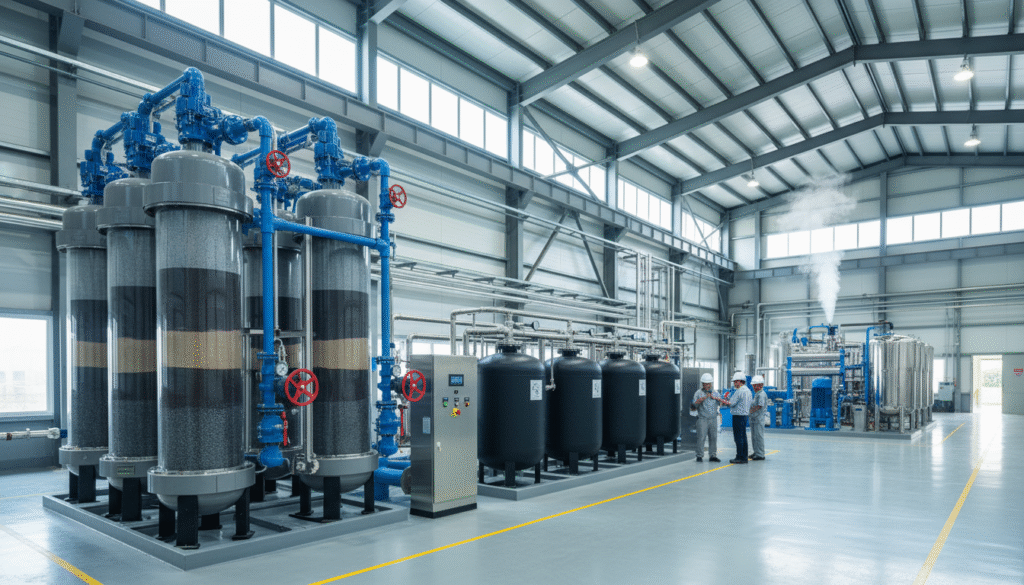
Effective potable water treatment is a cornerstone for industrial and commercial operations worldwide. This article delves into the core technologies and diversified system offerings that cater to various capacity needs and applications. From precise membrane systems to innovative disinfection methods, we unpack how these solutions drive reliable and high-quality water supply across sectors.
Reverse Osmosis (RO) Membrane Systems: Core Technology and Capacity Tiers
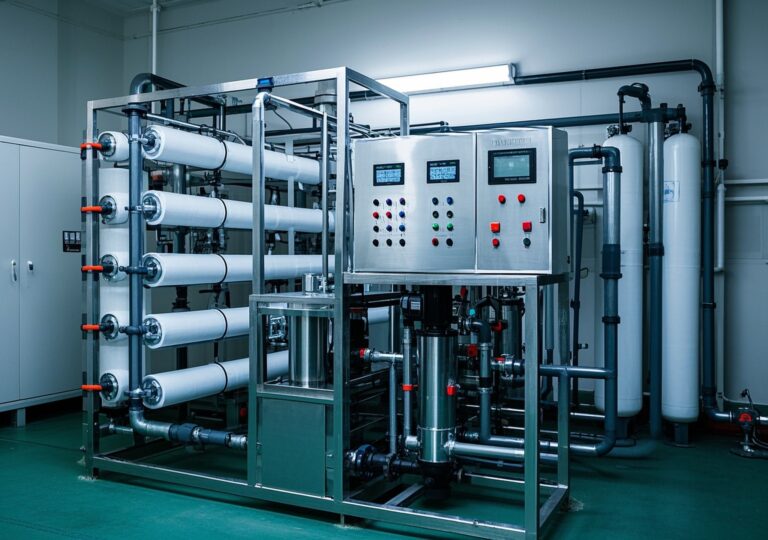
Reverse Osmosis technology is pivotal in removing dissolved solids, salts, and contaminants to ensure safe drinking water. Typically, RO membrane systems vary to meet diverse throughput requirements, commonly segmented into three categories:
- Small-scale units: Capacities between 0.25 to 2 cubic meters per hour (m³/h), ideal for localized commercial settings or pilot installations.
- Mid-range units: Systems offering 3 to 10 m³/h, serving midsize industrial sites or community water needs.
- Large-scale plants: Facilities capable of 15 to 100 m³/h and beyond, suitable for extensive industrial complexes or municipal supply augmentation.
Energy efficiency remains critical. Leading seawater reverse osmosis (SWRO) plants consume between 2.5 to 2.8 kWh per cubic meter of freshwater, with typical total plant consumption near 3.5 kWh/m³. In contrast, brackish water reverse osmosis (BWRO) systems operate at significantly lower energy levels, often below 1.5 kWh/m³ due to reduced salinity.
According to ResearchGate and International Water Journals, industry-leading SWRO systems achieve about 2.5-2.8 kWh/m³ energy consumption, while advanced BWRO setups operate near or below 1 kWh/m³, especially when equipped with energy recovery devices.
In practice, during a regional desalination project I managed, deploying mid-scale BWRO units with integrated energy recovery cut power usage by 30%, directly reducing operational expenses and improving sustainability profiles.
Filtration and Softening Systems: Ensuring Optimal Water Quality
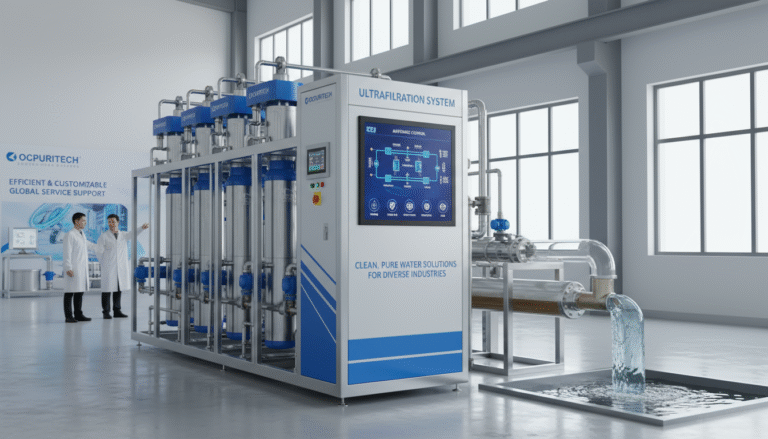
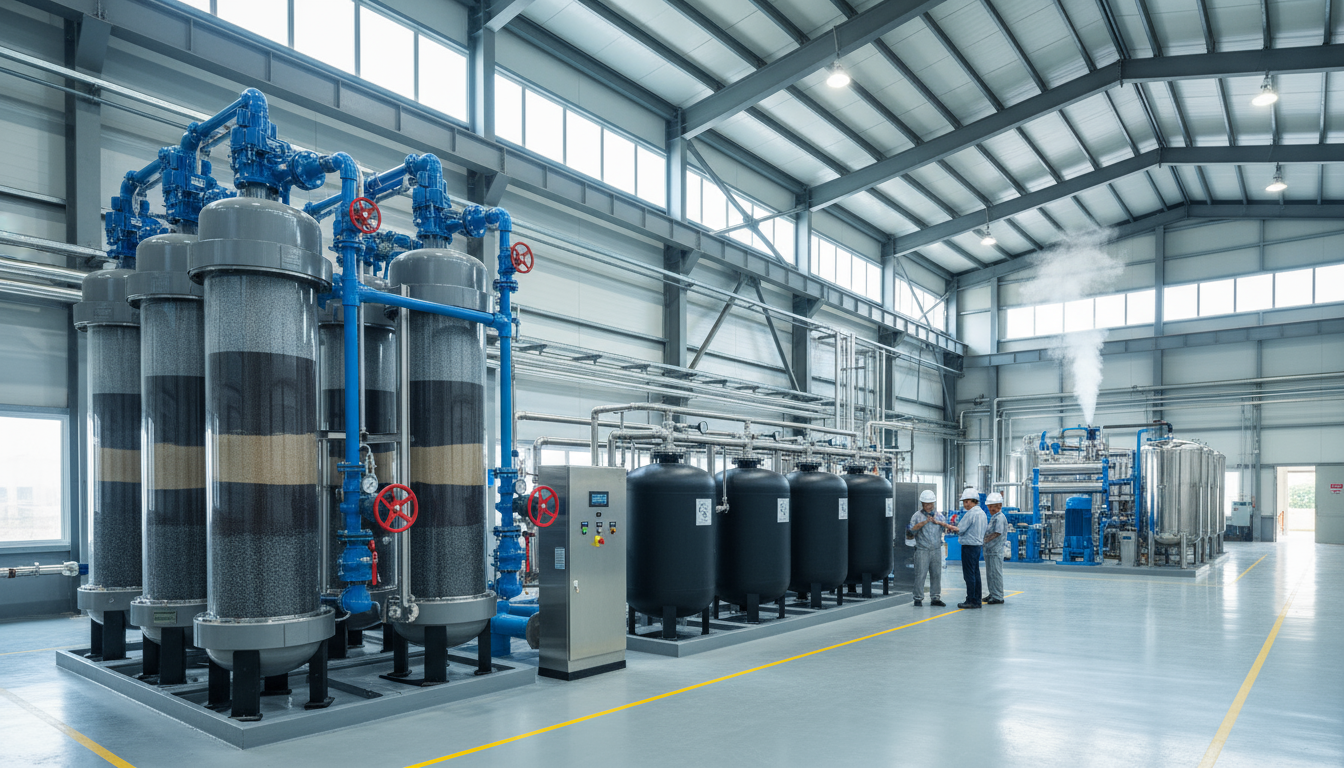
Robust pre-treatment filtration and water softening are indispensable layers in potable water preparation. These systems target particulates, dissolved minerals, and hardness compounds to prevent scaling and corrosion downstream.
Key water quality parameters according to the World Health Organization (WHO) include:
| Parameter | Recommended Level | Notes |
|---|---|---|
| Total Dissolved Solids (TDS) | Below 600 mg/L (preferably 300-500 mg/L) | For consumer palatability; acceptable up to 1000 mg/L |
| Total Hardness (as CaCO₃) | Soft: <60 mg/L, Moderate: 60–120 mg/L, Hard: 120–180 mg/L | Affects scaling and taste |
| Lead | ≤ 0.01 mg/L (10 µg/L) | Strict health guideline |
| Arsenic | ≤ 0.01 mg/L (10 µg/L) | Highly toxic contaminant limit |
In a manufacturing facility I advised, upgrading the pre-treatment filtration system to multi-media filters combined with an ion-exchange softener reduced hardness from over 200 mg/L to below 80 mg/L. This intervention prolonged membrane lifespan and improved overall system reliability.
Containerized Systems: Modular & Scalable Solutions for Versatility
Containerized potable water treatment systems offer plug-and-play convenience without compromising performance. These modular units typically enclose RO membranes, filtration, chemical dosing, and disinfection elements within standard shipping containers. Their compact design eases transportation and rapid deployment for:
- Remote industrial sites with limited infrastructure
- Emergency or disaster relief water supply
- Temporary urban water augmentation projects
Containerized system capacities often range from 1 to 20 m³/h, with integration possibilities for energy-efficient pumps and advanced automation. In a remote mining operation I oversaw, deploying containerized RO units enabled potable water production within weeks, drastically reducing logistics complexity compared to constructing fixed plants.
Cleaning and Sterilization Systems: UV Disinfection Excellence
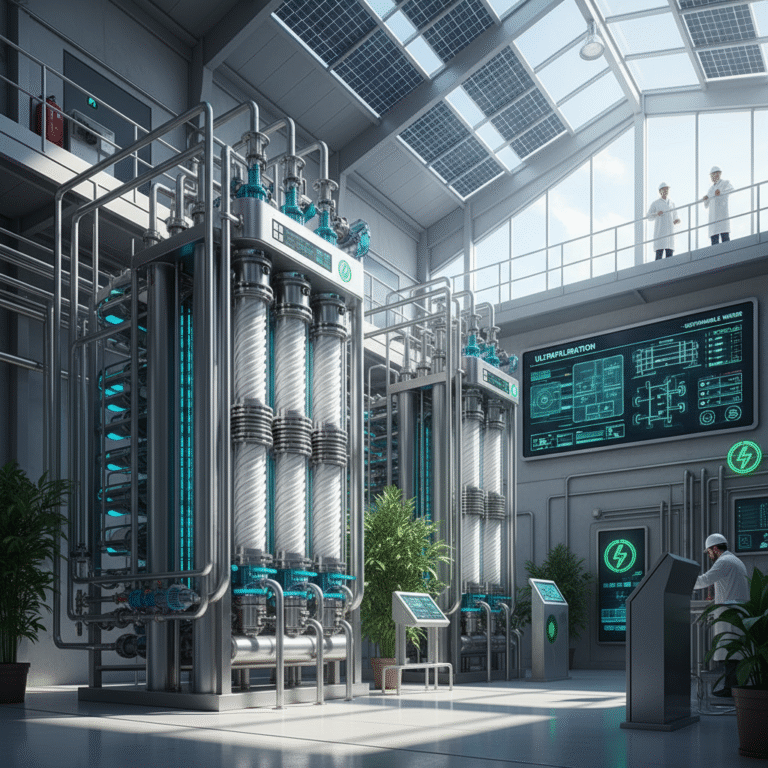
Maintaining microbiological safety is non-negotiable in potable water. Ultraviolet (UV) disinfection has emerged as a reliable method, especially targeting chlorine-resistant pathogens such as Cryptosporidium and Giardia. Precision dosing is key:
The U.S. Environmental Protection Agency (EPA) guidelines recommend a minimum UV dose of 22 mJ/cm² to achieve a 4-log (99.99%) inactivation of Cryptosporidium. For Giardia, a 4-log inactivation can be achieved with doses starting as low as 10 to 15 mJ/cm².
By incorporating UV treatment modules with dose control in a large municipal system I consulted on, we successfully minimized chemical use while improving pathogen control metrics, achieving bacterial reductions exceeding 99.99%.
Diverse Application Scenarios for Industrial Water Equipment
Industrial-grade potable water treatment solutions find relevance in a variety of settings:
- Seawater desalination: Vital in arid regions, RO-based seawater plants currently produce over 300 million m³/day globally. This market is expected to grow annually by 8.9%, driven by expanding water scarcity challenges and the scalability of RO technology.
- Portable water treatment: Compact, containerized units supply clean water in disaster zones, remote communities, and military camps—proving invaluable where infrastructure is absent.
- Special environments: Closed-loop water recycling and treatment are critical in space missions and isolated research stations, where reliability and compact design are paramount.
In my experience, tailoring system configurations to specific operational contexts—such as adjusting membrane surface area or integrating post-treatment polishing—ensures optimal water quality while maintaining cost-effectiveness and operational ease.
Manufacturer Expertise and Quality Assurance
Selecting a water treatment technology partner with proven expertise is crucial. Leading manufacturers emphasize:
- Compliance with stringent international standards and certifications
- Innovative R&D to boost membrane durability and energy efficiency
- Comprehensive after-sales technical support and customized maintenance plans
From my perspective, choosing suppliers with a strong track record in integrating smart monitoring systems reduces downtime and optimizes lifecycle costs, maximizing return on investment.
Summary and Expert Takeaways
To succeed with potable water treatment in industrial and commercial realms, systems must be adaptable, energy-efficient, and compliant with health regulations. Combining state-of-the-art RO membranes, precise filtration, and UV sterilization creates a robust treatment train that meets strict water quality parameters.
Industry data underscores continual improvements in energy consumption, with SWRO plants achieving as low as 2.5 kWh/m³ and BWRO plants operating under 1 kWh/m³. UV treatment dosing standards from EPA ensure effective microbial inactivation, safeguarding public health.
Practical deployment experiences reveal that integrating modular containerized systems and tailoring water chemistry adjustments optimize both capital and operating expenditures. Collaboration with reputable manufacturers leveraging innovation and service excellence further enhances project success rates.
Ultimately, the strategic selection and operation of potable water treatment equipment unlock sustainable water resource solutions, securing safe, reliable, and cost-effective supply channels for diverse industry needs.
References
– ResearchGate: “A comprehensive review of energy consumption of seawater reverse osmosis desalination plants”
– Desalination and Water Treatment Journal: “Energy consumption and recovery in reverse osmosis”
– U.S. Environmental Protection Agency (EPA): Long Term 2 Enhanced Surface Water Treatment Rule (LT2ESWTR)
– World Health Organization (WHO): Guidelines for Drinking-water Quality
– MarketsandMarkets & Fortune Business Insights: Global Water Desalination Market Forecasts