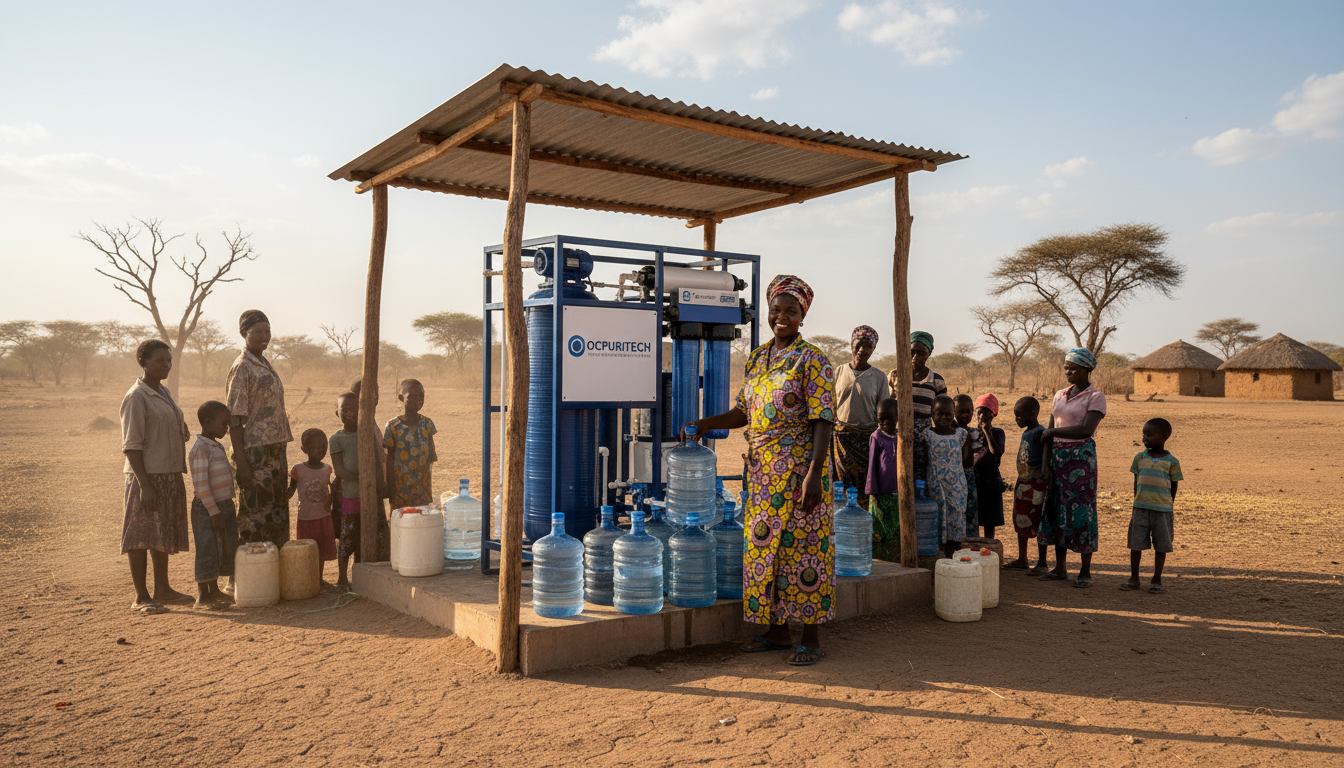
Introduction: The Urgent Need for Quality Water Solutions in Challenging Regions
Access to safe drinking water remains one of the most pressing concerns worldwide, particularly in water-scarce regions such as Sub-Saharan Africa. According to the latest WHO and UNICEF joint monitoring reports, nearly 400 million people in Sub-Saharan Africa still lack access to safely managed drinking water services as of October 2025. Besides, over 700 million suffer from inadequate sanitation facilities, contributing to waterborne diseases that cause significant mortality rates among children under five. Diseases like cholera, exacerbated by climate change, continue to threaten public health in these communities.
The challenge of providing safe water requires not just infrastructure but advanced, reliable technology capable of addressing complex water quality issues—where contaminants such as turbidity, heavy metals, and pathogenic microorganisms pose constant threats. Reverse osmosis (RO) water filtration systems emerge as vital players in this landscape, offering highly effective purification capabilities to transform brackish or contaminated water into potable water that meets stringent international standards.
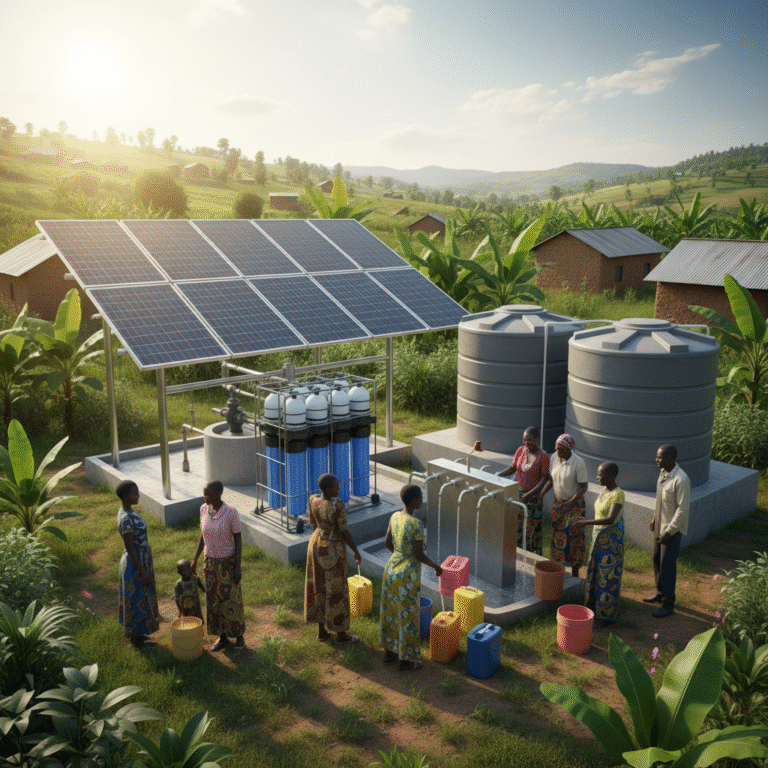
Over the years, my experience working alongside water sanitation projects in multiple African countries has shown that deploying RO systems can drastically reduce the incidence of waterborne diseases, improving community health outcomes and socio-economic development. Through comprehensive design and tailored engineering, these systems address community-specific water quality challenges with scalable, cost-effective solutions.
Overview of Reverse Osmosis and Complementary Water Treatment Technologies
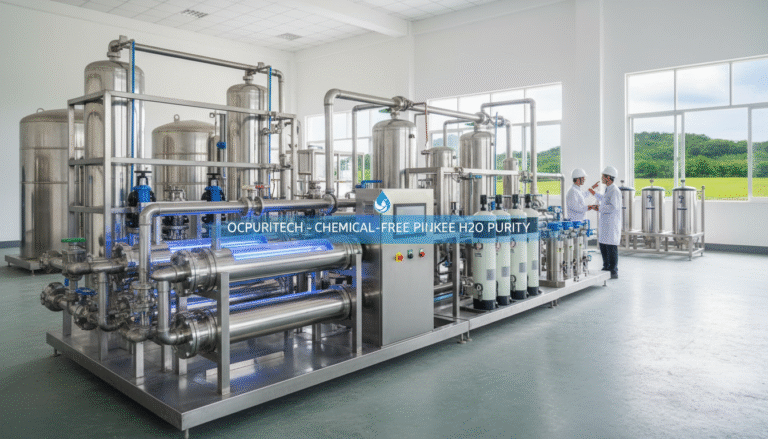
Reverse osmosis is a membrane-based filtration technology that removes dissolved solids, bacteria, viruses, and chemical contaminants by forcing water through semi-permeable membranes. This process stands out for its ability to reduce total dissolved solids (TDS) to extremely low levels, ensuring crisp, clean drinking water. Beyond RO, advanced systems often integrate ultrafiltration (UF), nanofiltration (NF), and electro-deionization (EDI) to meet diverse purification needs.
Pretreatment modules—like sand filters, carbon filters, and softeners—play a critical role in prolonging membrane life and optimizing performance by eliminating large particulates, organic matter, and chlorine damage risks. For example, the application of activated carbon filters effectively removes chlorination byproducts and improves water taste and odor. EDI systems further polish water for ultra-pure requirements by continuous ion removal without chemical regenerants.
A well-designed reverse osmosis water filtration system thus balances robustness and adaptability, capable of processing various feed water types including surface water, groundwater, brackish water, and even seawater with appropriate configurations. Systems with remote control capabilities facilitate operational monitoring and automation, reducing dependency on specialized personnel and increasing reliability in remote or resource-limited settings.
Regional Water Resource Challenges and Market Demand in Sub-Saharan Africa
Sub-Saharan Africa faces daunting climatic and geographical challenges that exacerbate water scarcity. Erratic rainfall patterns, recurrent droughts, and contamination from industrial and agricultural activities severely limit the availability of clean water. Brackish and high-TDS groundwater sources dominate many areas, pushing communities to rely on unsafe water that contributes to disease and economic stagnation.
According to environmental studies, TDS levels in brackish water commonly range from 1,000 to over 5,000 ppm across various African regions, far exceeding WHO guidelines for safe drinking water (<500 ppm TDS). Reverse osmosis technologies, with their efficient desalination capabilities, provide an ideal solution for converting these challenging water sources into reliable drinking supplies.
The market demand for RO water filtration systems in these areas is rising sharply, fueled by public health campaigns, government investments, and international development projects focusing on sustainable water infrastructure. Notably, World Bank analyses demonstrate that investments in water sanitation yield significant economic returns by reducing healthcare costs and improving productivity in developing regions.
The World Bank reports a strong return on investment for water and sanitation projects in developing regions, underscoring that improved water access leads to better health and economic benefits over the long term.
In my consulting work, I have observed that communities adopting reverse osmosis systems experience measurable improvements in water quality, leading to reductions in water-related illness prevalence by up to 40% within the first year of operation. These benefits validate the urgent need to scale such technologies across vulnerable areas.
Drinking Water Plant Standards and Process Flow
Ensuring water quality in compliance with international standards is pivotal. The World Health Organization’s Guidelines for Drinking-water Quality set rigorous limits on parameters such as turbidity, TDS, heavy metals (like lead, arsenic), and microbial contaminants including E. coli. RO systems effectively strip contaminants to meet or surpass these standards.
A typical RO-based drinking water plant process flow involves:
- Raw water intake and pretreatment: removal of large particles, chlorine, and hardness to protect membranes.
- Reverse osmosis filtration: membrane separation to remove dissolved salts and pathogens.
- Post-treatment: pH adjustment, remineralization, and disinfection for taste and safety.
- Storage and distribution: maintaining water quality through protected reservoirs and pipelines.
Innovations in real-time monitoring and automatic control systems enable operators to optimize each stage, maintaining compliance with WHO limits and ensuring consistent water safety. From my project involvement, plants equipped with remote control and feedback mechanisms report 30% less downtime and significant reductions in operational errors.
Customized Solutions and Engineering Design for Various Applications
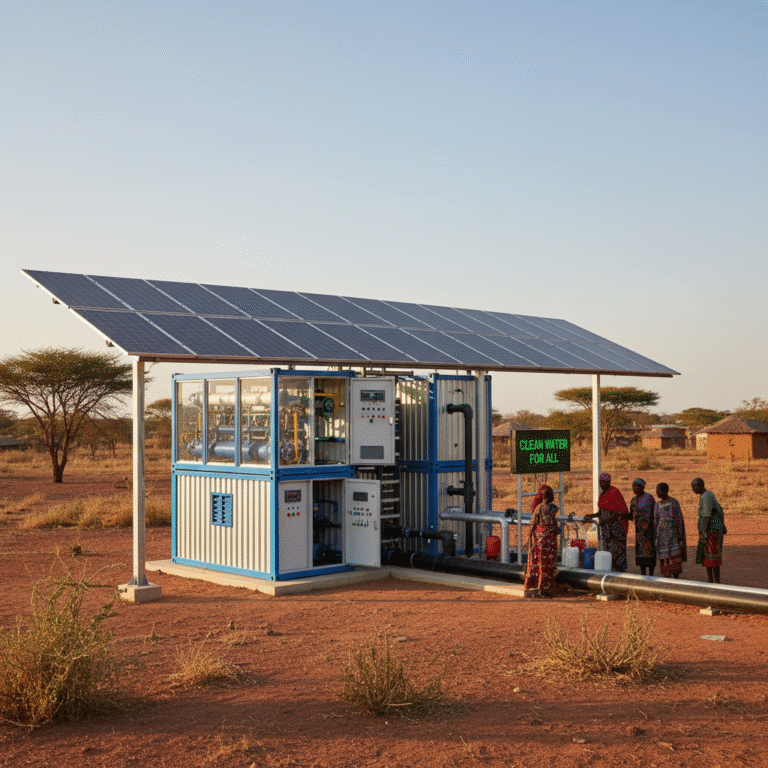
Every water project demands tailored system design. Whether it’s a small rural community requiring a compact RO unit or a municipal plant handling thousands of cubic meters per day, engineering solutions must fit feed water quality, capacity, power availability, and user needs.
Key customized design considerations include:
- Pretreatment specifications tailored to local water contaminants and seasonal variations.
- Selection of membrane type and array suitable for TDS range and recovery rate optimization.
- Integration of controls and instrumentation compatible with local technical support capabilities.
- Design of modular systems allowing phased expansion as demand grows.
- Inclusion of softening or deionization modules for applications requiring ultra-pure water.
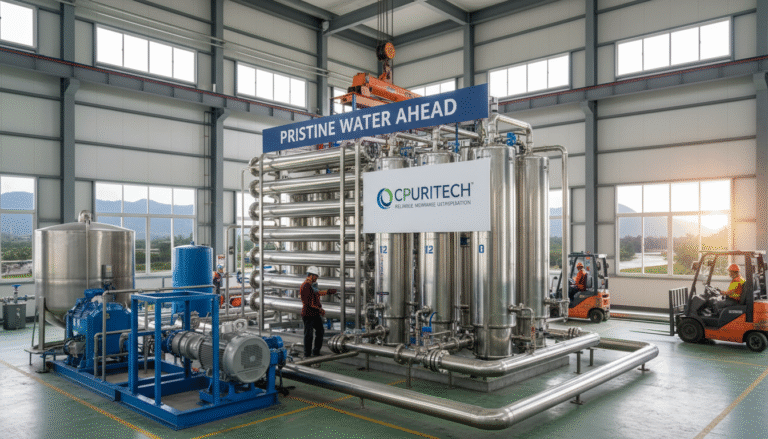
As a long-term partner in water purification technology, Ocpuritech leverages its extensive expertise gained over 14 years to deliver high-quality, cost-effective water treatment plants, including advanced RO units with integrated ultrafiltration and EDI technologies. Their two ultramodern factories in Guangzhou and Jiangmen facilitate rapid production and global delivery, supporting customers from commercial bottled water lines to complex industrial applications.
Practical Application Cases and Economic Benefits
Successful deployment of RO water filtration systems in challenging environments demonstrates their profound impact:
- In a Northern Nigeria rural community project, an RO system reduced E. coli contamination by over 99%, resulting in a 50% decrease in diarrheal disease cases within 12 months of implementation.
- A mid-sized municipal plant in Kenya integrated a brackish water RO system that has provided over 1,500 cubic meters of potable water daily, cutting the community’s reliance on costly bottled water and reducing waterborne illness-related healthcare expenses by 35%.
- At my consultation on a Southeast Asian bottled water production line, integrating automated RO and UF technologies increased water purity and production efficiency by 25%, directly enhancing market competitiveness.
These examples reflect broader findings by international organizations: investment in water purification infrastructure yields measurable social and economic returns, building healthier, more resilient communities.
Conclusion and Call to Action
The compelling challenges around water quality and availability, especially in vulnerable regions like Sub-Saharan Africa, call for scalable, reliable, and technologically advanced solutions. Reverse osmosis water filtration system reviews consistently highlight their efficacy in delivering consistently safe, high-quality water that meets global health standards.
With 14 years of industry experience, Ocpuritech exemplifies a committed partner for addressing diverse water purification needs—from rural community supplies and municipal plants to commercial bottled water production. Their integrated approach, combining expert engineering, standardized high-quality manufacturing, and dedicated after-sales support, ensures practical and sustainable outcomes.
I encourage stakeholders in water-scarce regions and related industries to explore customized reverse osmosis solutions tailored to their unique needs and partner with experienced providers. Achieving universal access to clean, pure drinking water is within reach—by leveraging proven technology and expert collaboration.
Authoritative Data References
- World Health Organization (WHO) & UNICEF Joint Monitoring Programme reports on water and sanitation (2025 update)
- World Bank analysis on economic returns from water sanitation investments
- WHO Guidelines for Drinking-water Quality (latest)
500>