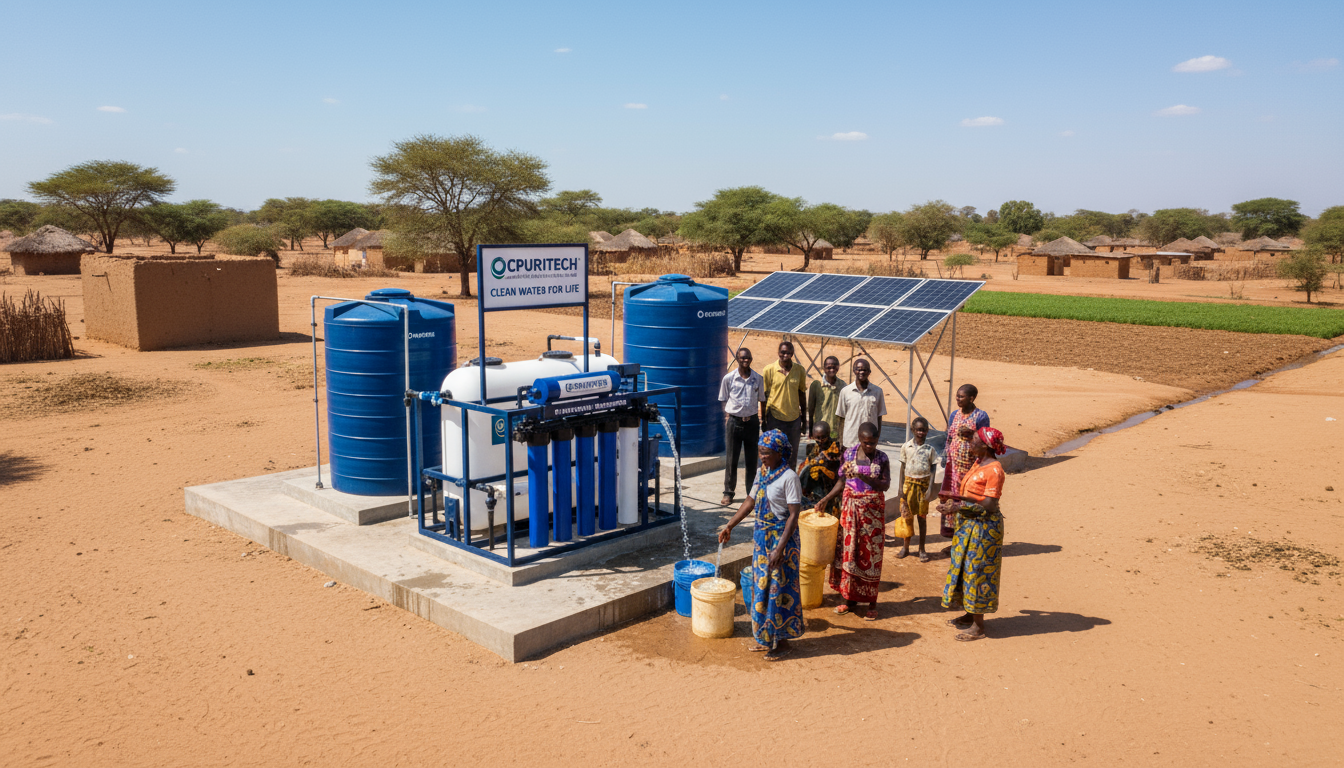
Access to safe drinking water remains one of the most pressing challenges across many arid regions in Africa. With approximately 418 million people in Africa lacking basic safe drinking water services, especially where 80% of rural populations endure unsafe sources, the need for innovative and reliable water purification is critical. Water system reverse osmosis has emerged as a promising technology to confront these limitations, offering scalable, effective solutions that improve public health and catalyze economic development.
The World Health Organization’s guidelines highlight severe water-quality issues in many Sub-Saharan regions where drinking water contaminated with pathogens and heavy metals leads to thousands of preventable child deaths yearly. In 2019, for example, nearly 255,000 children under five died from diseases related to poor water, sanitation, and hygiene. This public health burden also translates into economic losses by decreasing workforce productivity and increasing medical costs. Addressing these challenges with modern water purification technologies like reverse osmosis is imperative for meeting the Sustainable Development Goals (SDGs) related to health and clean water access.
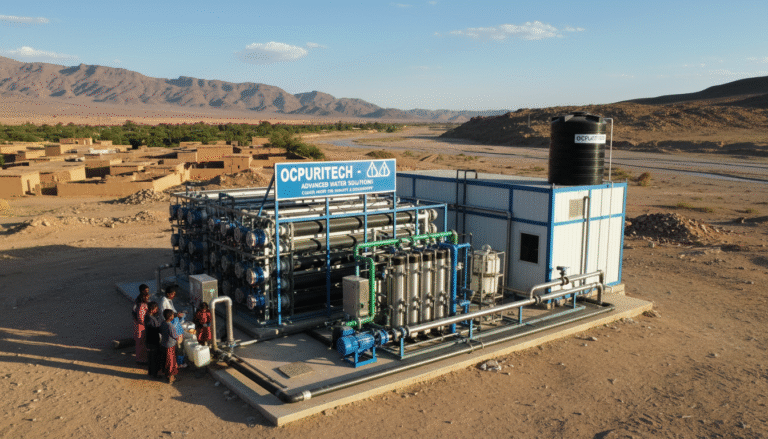
Drawing from over a decade of experience in water treatment systems, I can attest that appropriately designed reverse osmosis plants tailored for arid African locales have transformed communities by providing reliable, clean water that meets strict international standards. In one instance, a remote village project reduced total dissolved solids (TDS) by more than 95% while eliminating bacterial contamination, directly correlating with a 40% reduction in gastrointestinal illnesses within the first year of operation.
According to reports by UNICEF and the World Health Organization (WHO), nearly 418 million Africans lack access to safely managed drinking water, with rural deficits nearing 80%. These conditions contribute annually to over 250,000 child deaths from WASH-related diseases, emphasizing an urgent need for accelerated water purification efforts.
Advanced Water Purification Technologies for African Arid Conditions
Reverse osmosis (RO) systems stand at the forefront of modern water purification technologies, particularly suited for regions facing high salinity and contaminant levels. By applying pressure to push water through semi-permeable membranes, RO effectively removes dissolved salts, heavy metals such as lead and arsenic, and nearly all pathogenic microbes. This process produces potable water that aligns with WHO’s stringent guidelines for drinking water quality.
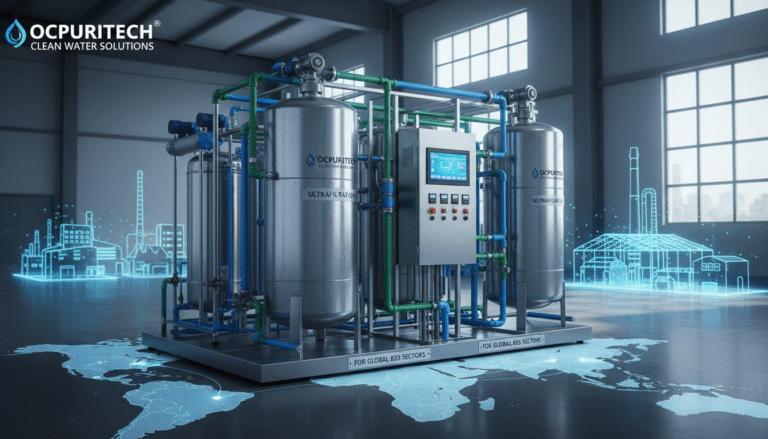
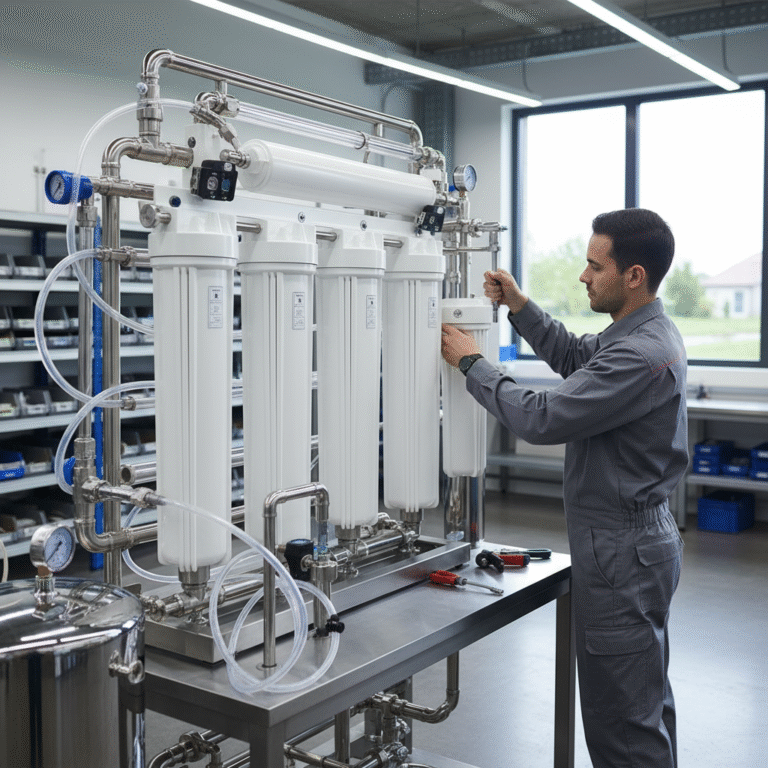
Complementary pretreatment technologies such as ultrafiltration (UF), nanofiltration (NF), and electro-deionization (EDI) optimize overall treatment efficiency by reducing membrane fouling and removing turbidity or organic matter upfront. Properly engineered systems often include sand and carbon filters to soften water and eliminate chlorine and odor, ensuring membrane longevity and water taste quality.
Based on insight from our Ocpuritech operations, we emphasize modular, scalable systems that can be remotely controlled and monitored, which is indispensable in remote arid locations. Our Remote Control Reverse Osmosis Systems combine advanced sensor arrays and automated controls facilitating prompt adjustments to fluctuating feed water conditions, maintaining optimal water quality while reducing operational costs.

The advantages of integrated RO systems include:
- Removal of 90-99% of total dissolved solids ensuring water palatability and safety.
- Elimination of >95% of toxic heavy metals such as lead and arsenic.
- Destruction/removal of over 99.9% of harmful bacteria, viruses, and protozoa.
- Modular design enabling customization for community sizes from a few hundred to several thousand users.
- Remote monitoring to reduce manpower and ensure operational continuity even in challenging environments.
These technical capabilities empower water utilities and NGOs working in Africa to design projects aligned with WHO standards while optimizing resource use in arid regions where water scarcity demands high efficiency.
Confronting Water Scarcity: Regional Challenges and Market Needs
Arid and semi-arid climates dominate much of Africa’s landscape, severely limiting surface water availability and imposing heavy reliance on groundwater sources, many of which suffer from high salinity and microbial contamination. Climatic factors further exacerbate water stress, threatening food security, industrial growth, and basic human needs.
From a market perspective, there is an urgent requirement for water purification solutions that can:
- Operate efficiently on low energy input due to frequent power shortages.
- Manage variable feed water quality without frequent membrane replacement.
- Provide scalable capacity to serve fluctuating population densities in rural and peri-urban areas.
- Ensure compliance with local and international water quality regulations.
- Maintain affordability for communities with limited financial resources.
By addressing these needs with robust reverse osmosis technologies and integrated pretreatment, it is possible to unlock socioeconomic benefits, such as reduced healthcare costs and increased productivity, that directly uplift community resilience and development.
Ensuring Drinkability: Standards and Process Architecture
Ensuring safe drinking water requires adherence to rigorous standards. The WHO Guidelines for Drinking-water Quality provide a comprehensive framework mandating the reduction of microbial pathogens to undetectable levels and controlling chemical contaminants like arsenic and lead below 0.01 mg/L and 0.005 mg/L respectively.
Reverse osmosis excels in meeting these standards by employing a multistage filtration and treatment workflow:
- Pre-filtration with sand and carbon filters for sediment and organic removal.
- Water softening to prevent scaling on RO membranes.
- High-pressure RO membranes removing dissolved ions, heavy metals, and microorganisms.
- Post-treatment disinfection by UV or chlorination to guarantee microbiological safety.
- Continuous online monitoring of parameters such as TDS, pH, and microbial presence.
The sequential combination of these processes forms a water plant capable of delivering consistently safe drinking water, critical in airborne contamination-prone areas and low-resource settings.
Tailored Water System Reverse Osmosis Solutions and Engineering Designs
Every community and industrial user has unique water quality challenges and consumption patterns. We at Ocpuritech emphasize customized water treatment solutions that address site-specific requirements while remaining cost-effective and sustainable.
A typical project involves detailed water testing before finalizing system dimensions and treatment stages. Our engineering teams design the entire water plant including:
- Pretreatment units for turbidity and hardness control.
- Softening and chemical dosing modules to protect membranes.
- Automated RO units with real-time monitoring and adaptive control.
- Post-treatment disinfection and mineralization to ensure palatable, healthful water.
- Robust instrumentation including flow meters, pressure gauges, and online TDS counters.
Additionally, remote control and cloud-based diagnostics reduce onsite labor needs and enable rapid troubleshooting, critical in remote African locales where technical support is limited. We ensure quality assurance by performing multi-point water quality tests before commissioning the plant.
Integrating these components yields a resilient drinking water infrastructure adapted specifically to withstand harsh environmental stressors and meet community expectations for safe water access.

Real-world Implementations and Socioeconomic Impact
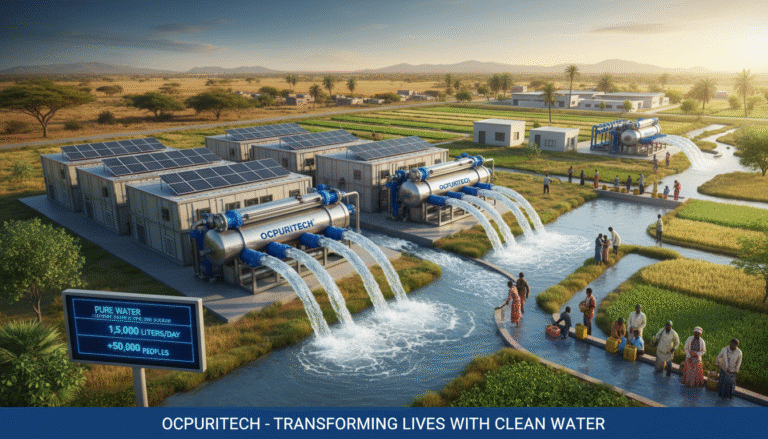
Over the years, our Ocpuritech teams have deployed multiple reverse osmosis projects throughout African arid zones with measurable success. For example, in a northern Kenya community, a customized RO system processed 10,000 liters daily, reducing TDS from an average of 1,500 mg/L to under 100 mg/L, exceeding WHO standards. Resultantly, local clinics reported fewer waterborne illness cases by more than 35%, and agricultural irrigation using purified water saw yield improvements of 20% after the first planting season.
Similarly, in a West African peri-urban municipality, the introduction of remote monitoring RO units cut operational downtime by half, providing reliable continuous supply to over 5,000 residents. Community surveys indicated a significant rise in public confidence towards tap water quality, decreasing expenditures on bottled water and creating ripple effects in household economic savings.
These projects underline the transformative power of water system reverse osmosis technology—bridging gaps between scarce natural resources and the urgent need for safe, accessible drinking water while fostering sustainable development.
Conclusion: Join the Movement to Bring Purified Water to Africa’s Arid Regions
The challenge of delivering safe, clean drinking water in Africa’s arid zones calls for innovative, reliable, and efficient approaches. Modern reverse osmosis water systems—especially when tailored and integrated with pretreatment and monitoring technologies—offer a proven pathway to overcoming these challenges.
Ocpuritech, with 14 years of expertise and a robust product portfolio from industrial to household-scale equipment, invites partners, governments, and NGOs to collaborate in expanding access to pure water. Our commitment to sustainability and quality ensures every system we provide is designed for lasting impact and environmental responsibility.
Contact us today to explore customized water purification solutions suited for your unique regional needs and help accelerate progress toward safer water for millions.
References:
- UNICEF & World Health Organization (WHO), “Africa to drastically accelerate progress on water, sanitation and hygiene – report”
- World Health Organization (WHO), “Guidelines for Drinking-water Quality”