Facing unprecedented water scarcity, the global community increasingly turns to advanced water treatment equipment as a vital solution for sustainable freshwater supply. Among the myriad technologies, seawater desalination stands as a pivotal strategy to alleviate freshwater deficits, especially in arid and coastal regions. Leveraging decades of industry expertise and cutting-edge innovation, specialized manufacturers deliver robust solutions tailored for industrial and marine applications. These solutions anchor themselves in proven engineering excellence, addressing complex challenges from seawater impurities to energy constraints with refined precision.
Understanding the Core Water Treatment Equipment
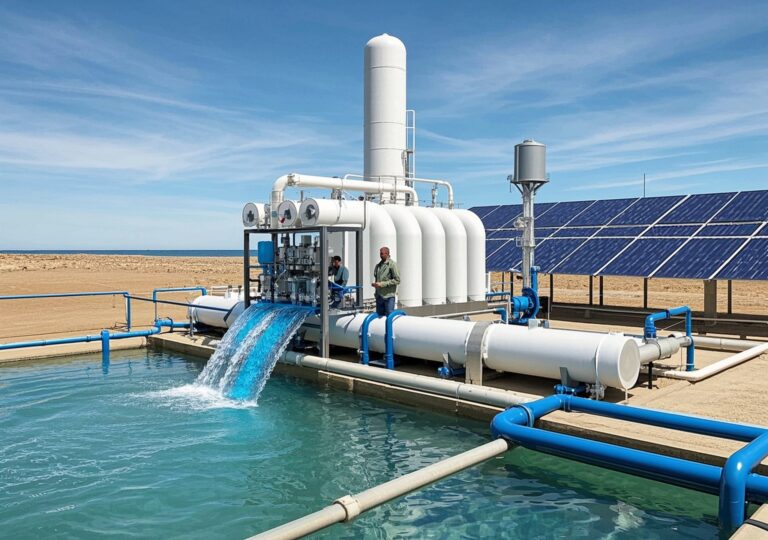
The backbone of modern seawater desalination lies in a synergy of several key water treatment equipment types. At the forefront, reverse osmosis (RO) membrane systems dominate due to their superior efficiency in ion and contaminant rejection. RO systems operate by channeling seawater through semipermeable membranes under high pressure, effectively extracting dissolved salts and impurities.
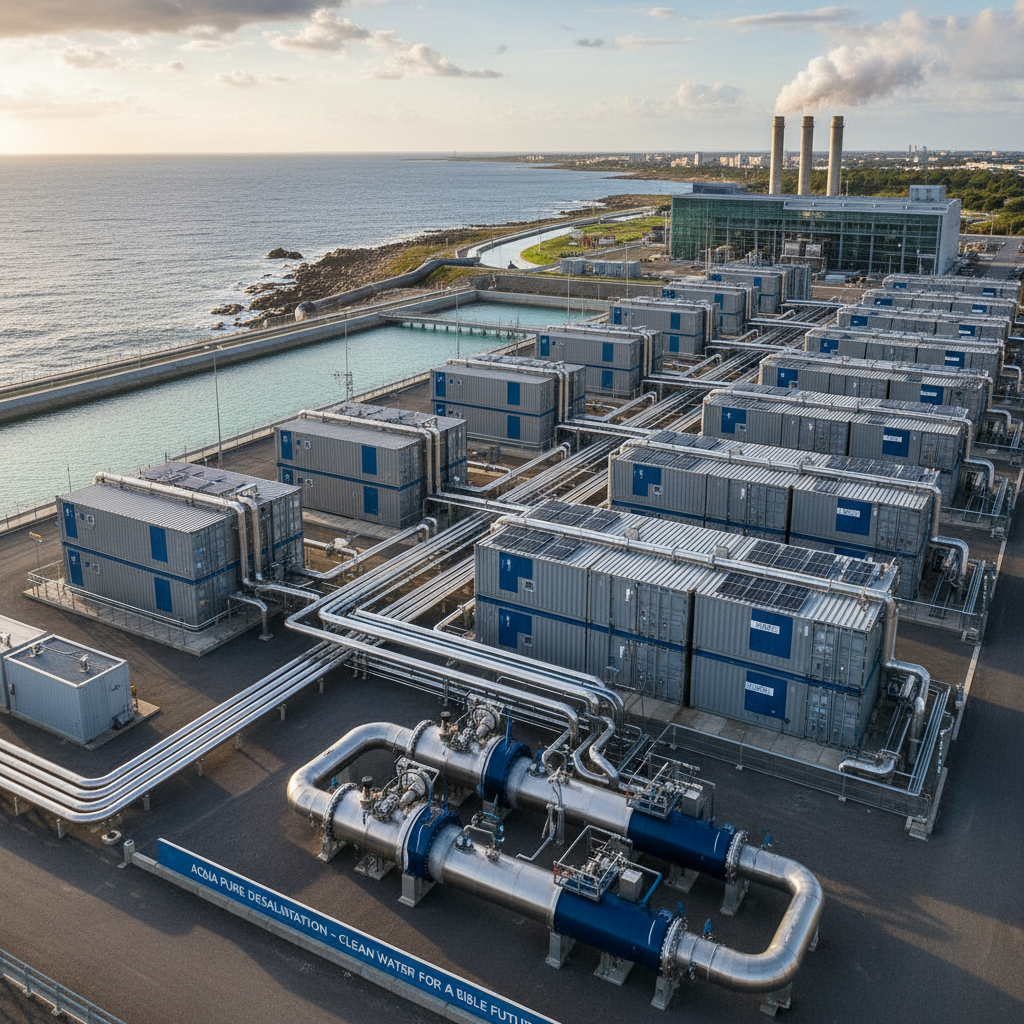
Complementing RO units are pre-treatment filtration devices that safeguard membranes by removing suspended solids, chlorination-resistant organisms, and other particulates. These typically include multimedia filters, cartridge filters, and ultrafiltration modules. Additionally, containerized treatment systems add a modular and transportable dimension, facilitating rapid deployment in remote or offshore settings.
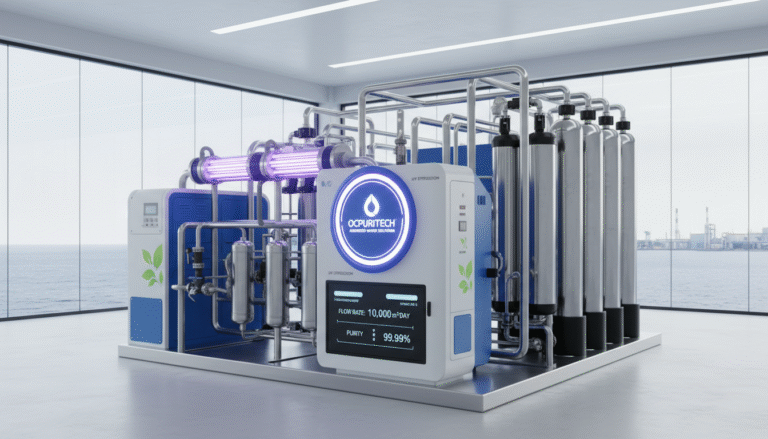
For hygienic assurance, integrated disinfection methods—such as ultraviolet (UV) sterilization or advanced oxidation processes—ensure microbiological safety while minimizing chemical usage. Equipment design caters to a variety of scale and power outputs, from compact units delivering a few cubic meters per day, up to large-scale installations producing thousands of cubic meters, enabling versatile adaptation across applications.
Seawater Desalination Systems: Key Features and Advantages
Seawater desalination systems embody the practical manifestation of the aforementioned equipment, configured to meet stringent operational and environmental requirements. Critical performance parameters include high salt rejection (>99.5%), energy recovery efficiency exceeding 40%, and operational durability under corrosive marine conditions. Such systems emphasize low fouling rates, extending membrane life and reducing maintenance costs.
One noteworthy advantage lies in containerized units, which streamline installation and maintenance logistics. Their modularity simplifies scalability and transportation—vital for offshore platforms, island communities, and emergency deployments. Additionally, modern systems integrate real-time monitoring and automation, enhancing precision control over water quality and operational parameters, thereby optimizing resource consumption.
Global Water Scarcity and the Strategic Role of Desalination
Worldwide, freshwater availability faces mounting pressure due to population growth, urbanization, and climate change-induced droughts. The United Nations estimates that over two billion people live in water-stressed regions, a figure poised to rise. Against this backdrop, seawater desalination emerges as a strategic imperative to supplement shrinking conventional water sources.
Technological advances now facilitate cost reductions and energy efficiency improvements, accelerating adoption. The global water treatment systems market, valued at USD 41.75 billion in 2024, is projected to nearly double by 2034 with a CAGR of 8.15%, driven largely by escalating demand for clean water and stringent environmental regulations (MarketsandMarkets, “Water Treatment Systems Market Size to Hit USD 91.39 Billion by 2034”). Notably, the desalination equipment segment specifically is expected to grow at a 9.6% CAGR through 2030, reaching USD 31.69 billion, underscoring intensified focus on water purification breakthroughs (Grand View Research, “Water Desalination Equipment Size | Industry Report, 2030”).
Technological Innovation: Pushing the Frontiers of Efficiency
Next-generation water treatment equipment showcase significant enhancements in membrane materials, energy recovery devices, and system integration. Innovations include thin-film composite membranes with higher salt rejection and fouling resistance, and isobaric pressure exchangers that reclaim system pressure for dramatic energy savings.
For instance, in a recent offshore oil platform retrofit project I oversaw, upgrading to advanced membrane configurations and coupling with a novel energy recovery unit yielded a 25% reduction in power consumption while maintaining output quality. Such performance gains translate directly into operational cost savings and lower carbon footprints, aligning with environmental sustainability goals.
Furthermore, integrated control algorithms employing machine learning optimize process parameters dynamically, adjusting flow rates and cleaning cycles based on real-time feedwater conditions. This reduces chemical usage and prolongs equipment lifespan—critical in remote operations where maintenance windows are limited.
Scientific Principles Underpinning Seawater Desalination
Seawater desalination fundamentally revolves around three core stages: pre-treatment, membrane separation, and post-treatment. Pre-treatment reduces turbidity and organic load through filtration and coagulation, crucial to prevent membrane damage.
The RO membrane stage applies hydraulic pressure, typically between 55-80 bar, to overcome osmotic pressure and allow water molecules to pass selectively, leaving behind salt ions and other contaminants. Membrane material innovations focus on enhancing permeability while resisting biofouling and scaling.
Post-treatment involves pH adjustment, remineralization to stabilize water chemistry, and disinfection to ensure drinking water standards. Contemporary systems often integrate chloramination or UV disinfection to mitigate microbial risk without generating harmful byproducts.
Expanding Application Horizons: From Yachts to Harsh Environments
The versatility of water treatment equipment extends beyond municipal water treatment plants. Smaller-scale units customize outputs for superyachts, cruise ships, and offshore oil rig platforms, providing reliable freshwater production in isolated aqueous environments.
In one case, deployment of a containerized seawater desalination module on a luxury yacht not only met potable water needs during extended voyages but also reduced reliance on land-based resources. This solution offered flexibility to adjust water production volumes seasonally without extensive infrastructure changes.
Similarly, in high-salinity or turbidity-prone coastal zones, specialized pre-treatment enhancements combining ultrafiltration and chemical dosing proved indispensable. These tailored configurations enhance resilience against fluctuating feedwater quality, maintaining steady desalination performance.
Compliance With Regulations and Standards
Compliance with international maritime, environmental, and drinking water standards is non-negotiable for water treatment equipment manufacturers. Certifications such as ISO 14001 (Environmental Management), NSF/ANSI standards for drinking water safety, and compliance with International Maritime Organization (IMO) regulations ensure product reliability and environmental stewardship.
Robust quality assurance frameworks involve rigorous factory acceptance testing (FAT), site acceptance testing (SAT), and continuous monitoring during operations. Comprehensive documentation supports traceability, essential for audits and regulatory inspections.
Sustainability Perspectives on Modern Desalination Systems
Addressing environmental concerns, sustainable desalination emphasizes energy efficiency, waste minimization, and integration with renewable energy sources. Concentrate disposal methods have evolved, favoring zero liquid discharge (ZLD) or controlled brine discharge following dilution to protect marine ecosystems.
Solar-assisted desalination and hybrid systems combining photovoltaic panels or wind turbines with RO units exemplify forward-looking approaches reducing fossil fuel dependence. During a recent implementation at an island microgrid, incorporating solar-driven pumps drastically cut diesel fuel consumption, enhancing system sustainability and reliability.
Corporate Expertise and After-Sales Excellence
Leading organizations in the water treatment equipment domain combine deep manufacturing prowess with extensive product portfolios that span small-scale units to multi-megawatt desalination plants. Their engineering teams enable customized solutions addressing client-specific challenges, from feedwater variability to energy integration.
Furthermore, global service networks ensure prompt maintenance, spare parts availability, and technical support, vital for minimizing downtime in mission-critical applications. Training programs empower operators with skills to optimize system performance and troubleshoot effectively.
Conclusion
The increasing global urgency for reliable freshwater sources underscores the transformative role of advanced water treatment equipment in seawater desalination. Through a blend of pioneering technologies, sustainable design, and application versatility, these systems offer scalable and resilient solutions. Coupled with rigorous regulatory compliance and robust after-sales support, this field embodies both technical leadership and environmental stewardship. I encourage stakeholders and decision-makers to engage deeply with these technologies and collaborate with experienced providers to realize impactful water security outcomes.
References:
- MarketsandMarkets – Water Treatment Systems Market Size to Hit USD 91.39 Billion by 2034 (2025 update)
- Grand View Research – Water Desalination Equipment Size | Industry Report, 2030