Are you struggling with salty groundwater that damages your industrial equipment or disrupts your production? Poor water quality costs money, downtime, and operational headaches. From my 15 years of experience designing and building water treatment systems, a Brackish Water Reverse Osmosis systems is the exact solution you need. I often get questions about brackish water reverse osmosis system cost, and I’ll cover that in this guide.
A Brackish Water RO system treats water with a TDS of 3000 to 10000 ppm. Operating at moderate pressures of 200 to 400 psi, these systems efficiently remove dissolved salts, heavy metals, and other contaminants—lowering energy use, maintenance costs, and equipment wear.
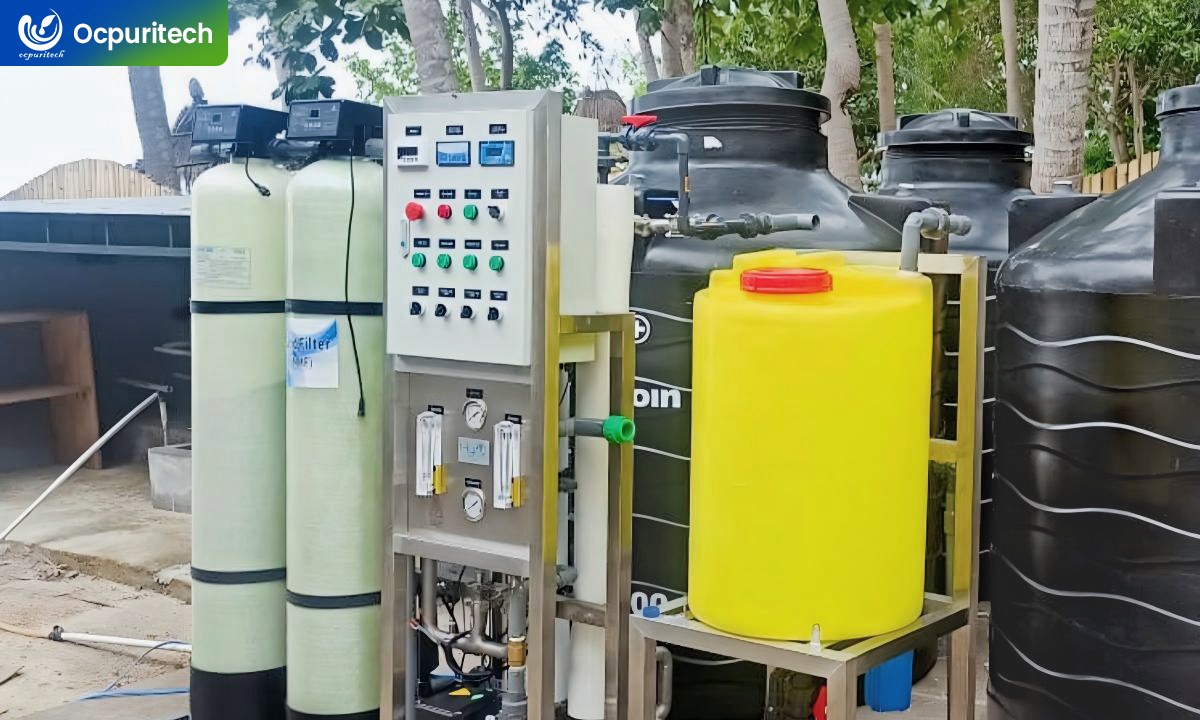
You might think all reverse osmosis systems are the same, but that is not true. If you choose the wrong system, you will waste money on high energy bills and broken parts.Let me walk you through why a tailored brackish water system is the right choice for industrial, commercial, and agricultural applications.
What Is a Brackish Water Reverse Osmosis Systems?
A Brackish Water Reverse Osmosis (BWRO) system is a water treatment technology designed for water that contains more salt than freshwater but less than seawater. High salt levels in well water can cause machines to break down , bringing business to a frustrating halt.
A BWRO system solves this problem by forcing feed water through semi-permeable membranes using high-pressure pumps to remove dissolved salts, metals, and impurities, producing high-purity water.
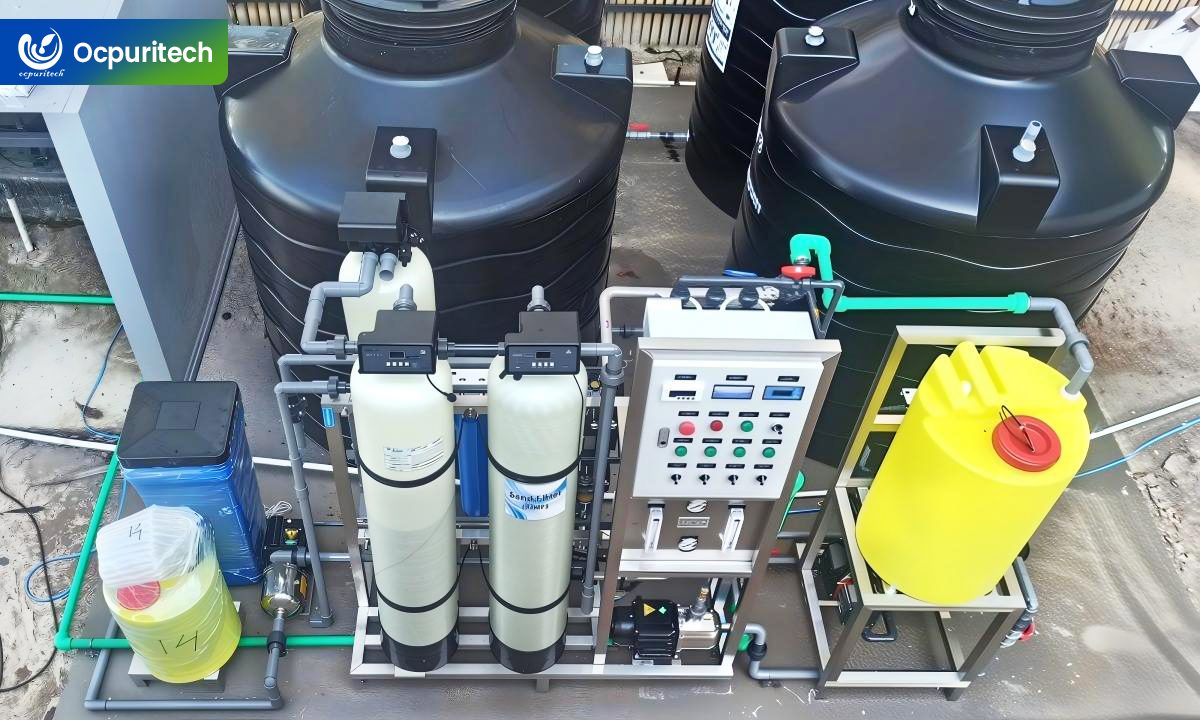
To prevent downtime, reduce operating costs, and extend membrane life, a successful project requires a deep understanding of its core components:
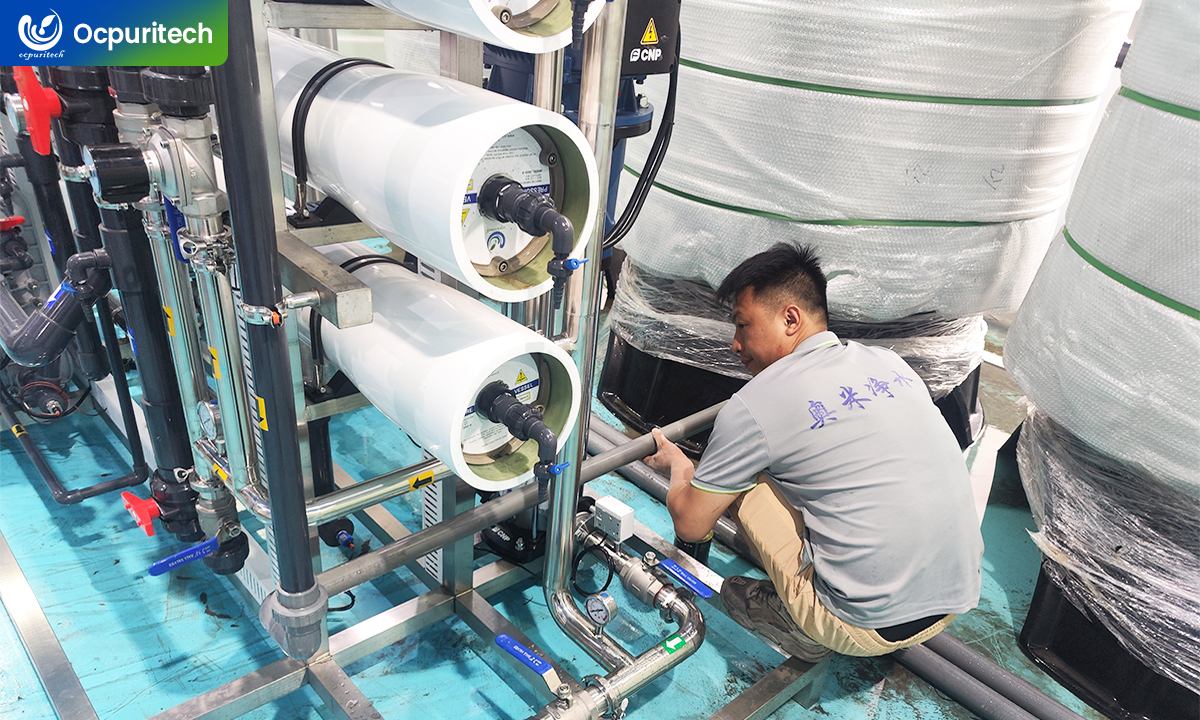
Core Technical Features of a Brackish Water Reverse Osmosis System
| Component |
Functionality |
Technical Detail |
| Pre-Treatment Units |
Removes suspended solids and organics |
Prevents fouling and extends membrane life |
| High-Pressure Pump |
Pushes water through membranes |
Maintains operating pressure of 200-400 psi |
| RO Membrane |
Separates dissolved salts and impurities |
Handles TDS up to 10,000 ppm |
| Membrane Housing |
Holds the membrane safe |
Withstands high pressure and prevents leaks |
| Control Panel |
Monitors system performance |
Provides automation monitoring |
Each component must be matched to your raw water quality, daily water demand, and recovery rate to ensure stable operation—even when water quality fluctuates seasonally.
How Does a Brackish Water Reverse Osmosis Work?
Understanding how RO technology works is key to understanding reverse osmosis brackish water treatment. RO is a process that uses a pressure difference to move water through a semipermeable membrane to achieve water purification and desalination.
Here is how the treatment system components work together to purify brackish water:
Pretreatment: Raw brackish water passes through the booster pump and pre-treatment tanks to filter out large impurities.
Pressurization: A chemical dosing system injects anti-scalants before the high-pressure pump forces the water through a cartridge filter housing into the membrane pressure vessels.
Membrane Separation: When the pressurized feed water passes through the semipermeable RO membrane, part of the pure water passes through, while the organic matter and dissolved salts are blocked on the other side.
Stream Output: This process successfully separates the water into two streams: high-purity product water and concentrated brine wastewater.
Why Pretreatment Is More Important Than Expensive RO Membranes?
Many clients make the mistake of buying the highest-end RO membranes while ignoring pre-treatment. From my observations on multiple industrial projects, membrane fouling is almost always due to inadequate pre-treatment, not membrane quality.
When suspended solids, hardness minerals, organics, or colloids are not properly removed before reaching the membrane, even the best RO elements will struggle to perform efficiently. That is why I always place more emphasis on pretreatment design than membrane brand selection.
A properly designed pretreatment system helps reduce membrane fouling, extend cleaning intervals, lower operating costs, and significantly increase membrane service life.
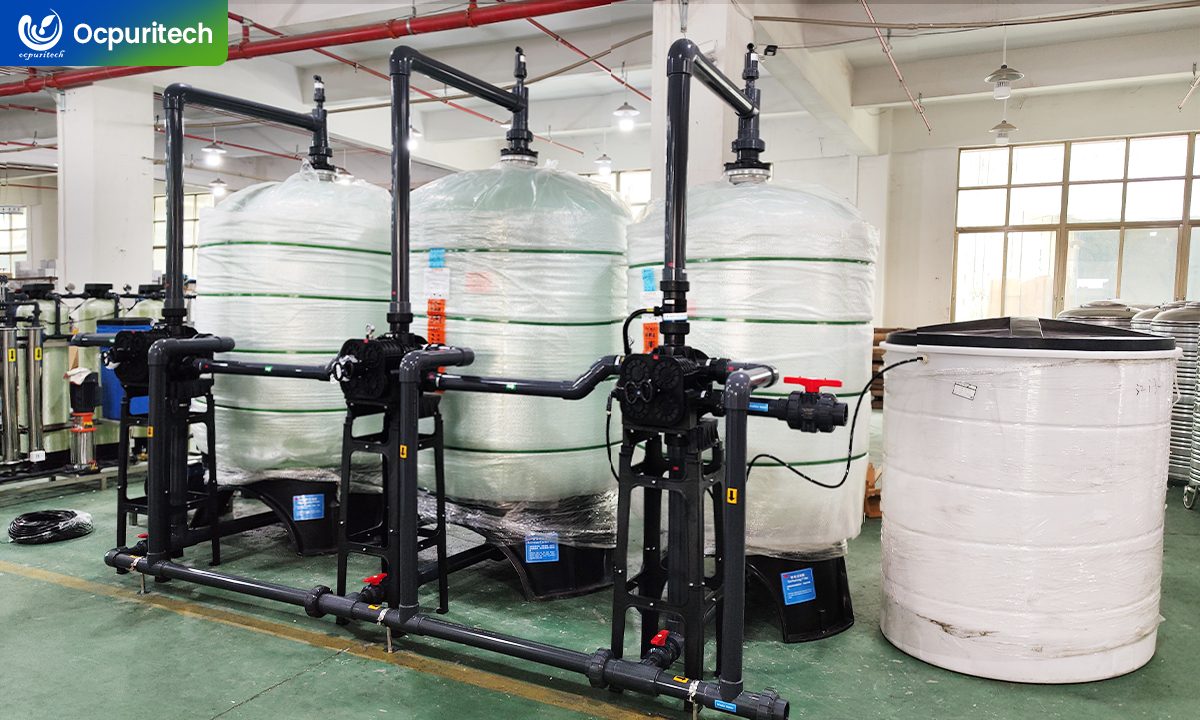
Common Pre-Treatment Methods
If your water source has seasonal changes, a customized pretreatment design is a must. A good dosing strategy and auto-flushing system will reduce your daily work. This keeps the system running well and drops your maintenance costs.
| Pretreatment Step |
Purpose |
Benefit |
| Sand Filter |
Removes large particles and turbidity |
Protects membrane from physical damage |
| Activated Carbon Filter |
Eliminates chlorine and organics |
Protects membrane surface and taste |
| Precision Filtration |
Captures fine suspended particles |
Final protection before RO |
| Membrane Cleaning System |
Removes fouling, scaling |
Enhanced performance & longevity |
| Chemical Dosing System |
Controls scale and hardness |
Prevents chemical fouling |
In my projects, customized dosing strategies and auto-flushing systems have consistently reduced operator workload while maintaining membrane performance over years.
How to Select the Right Brackish Water RO Equipment for Your Project?
Choosing the wrong equipment leads to bad water and high costs. Based on my experience, here’s how to pick the right brackish water RO system:
When helping customers select a brackish water reverse osmosis systems, I rarely start with production capacity alone.
The first thing I evaluate is the raw water analysis, especially TDS, hardness, silica, iron, and SDI levels. These parameters determine membrane selection, operating pressure, and pretreatment requirements.
Next, I review the required water production and target recovery rate. While higher recovery may appear attractive on paper, an aggressive recovery design can increase scaling risks and maintenance costs.
Finally, I look at supplier capabilities. Reliable technical support, spare parts availability, automation features, and engineering experience often have a greater impact on long-term performance than the initial equipment price.
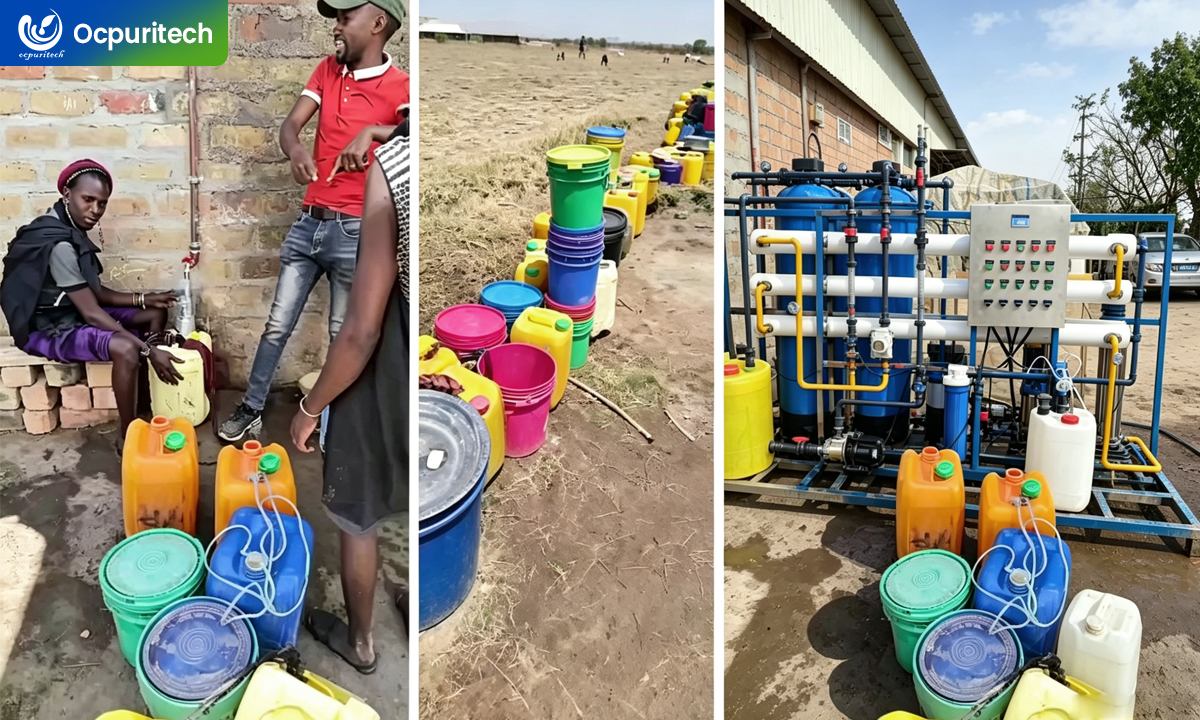
Key Rules for BWRO System Selection
| Selection Factor |
What to Check |
Impact on Your Business |
| Raw Water TDS |
Measure salt concentration |
Determines pump and membrane requirements |
| Water Flux |
Daily water demand |
Ensures sufficient water supply |
| Supplier Experience |
Years in industry & projects |
Reliable system design |
| After-Sales Service |
Availability of replacement parts |
Reduces downtime and operational risk |
Tip: For industrial and commercial users, a system customized to your exact water conditions is always better than the most expensive off-the-shelf solution.
Applications and Long-Term Benefits of BWRO Systems
BWRO systems are best for industrial and commercial use in areas with salty or unstable water. From my experience, they are also highly effective for brackish groundwater treatment, supporting farm irrigation and residential water supply.
As a long-term investment, this system lowers your water risk, controls operating costs, and ensures your production never stops. In all these cases, proper pretreatment and daily operational management are the keys to sustained success.
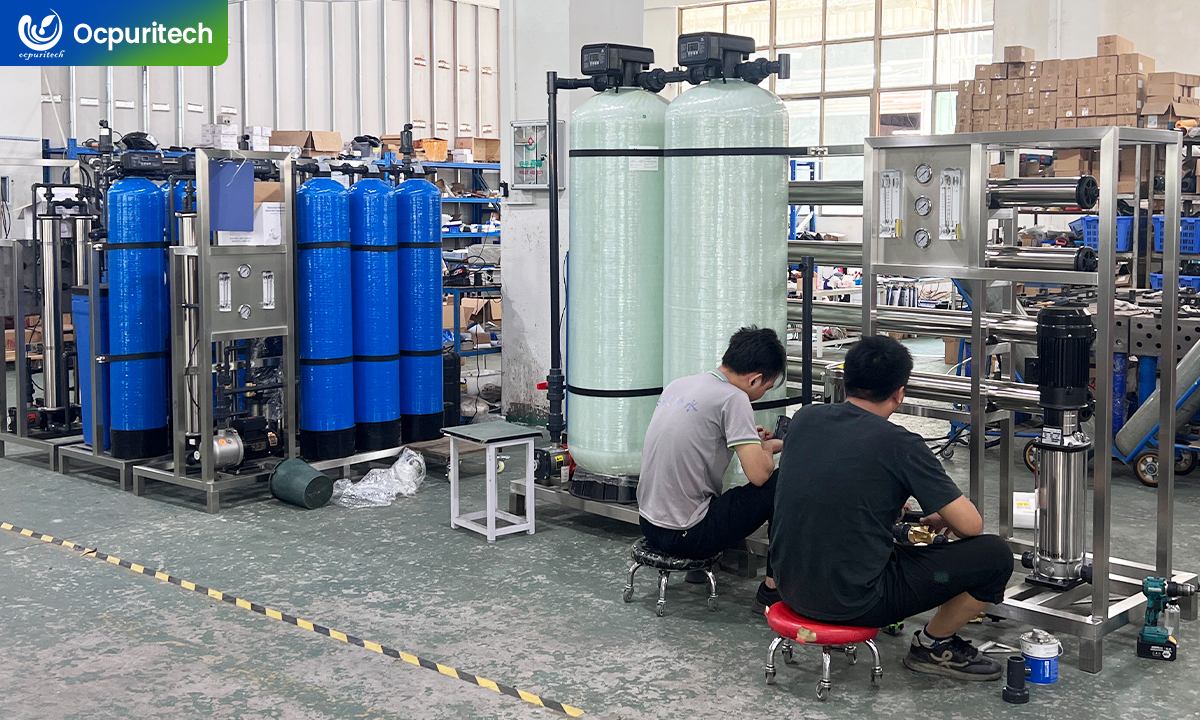
A Smart Long-Term Investment
In the long run, I believe that buying a good brackish water system is more than just getting a water filter. It is a long-term investment that protects production reliability. At the same time, it reduces the risk of poor water quality damaging your products. Lower operating costs are another major benefit for industrial and commercial users.
My experience tells me that understanding your water, optimizing the front treatment, and controlling maintenance costs are the true secrets.
| Application Area |
Typical Use |
Key Benefit of BWRO |
| Industrial Plants |
Boiler feed, cooling water |
Prevents scale, protects machines |
| Commercial Business |
Bottled water and hotels |
Provides clean, consistent water |
| Agriculture |
Irrigation, livestock |
Supports plant growth and animal health |
| Residential |
Residential and home water supply |
Makes well water safe for daily use |
From my experience, understanding your water quality is the first step toward a successful brackish water equipment project. The best-performing systems are rarely the most expensive—they are the systems designed around actual water conditions, recovery targets, and long-term operating requirements.
Conclusion
From my 15 years in industrial water treatment, I can confidently say: the key to a successful brackish water reverse osmosis system is a custom design, effective pre-treatment, and a reliable supplier.
A properly designed BWRO system from Ocpuritech reduces costs, protects your equipment, and provides consistent, high-quality water for industrial, commercial, agricultural, and residential applications. Choosing the right system is not just about efficiency—it’s a long-term investment in your operational stability.
If you want to secure reliable, cost-effective water treatment for your project, contact us today to discuss a tailored BWRO solution.