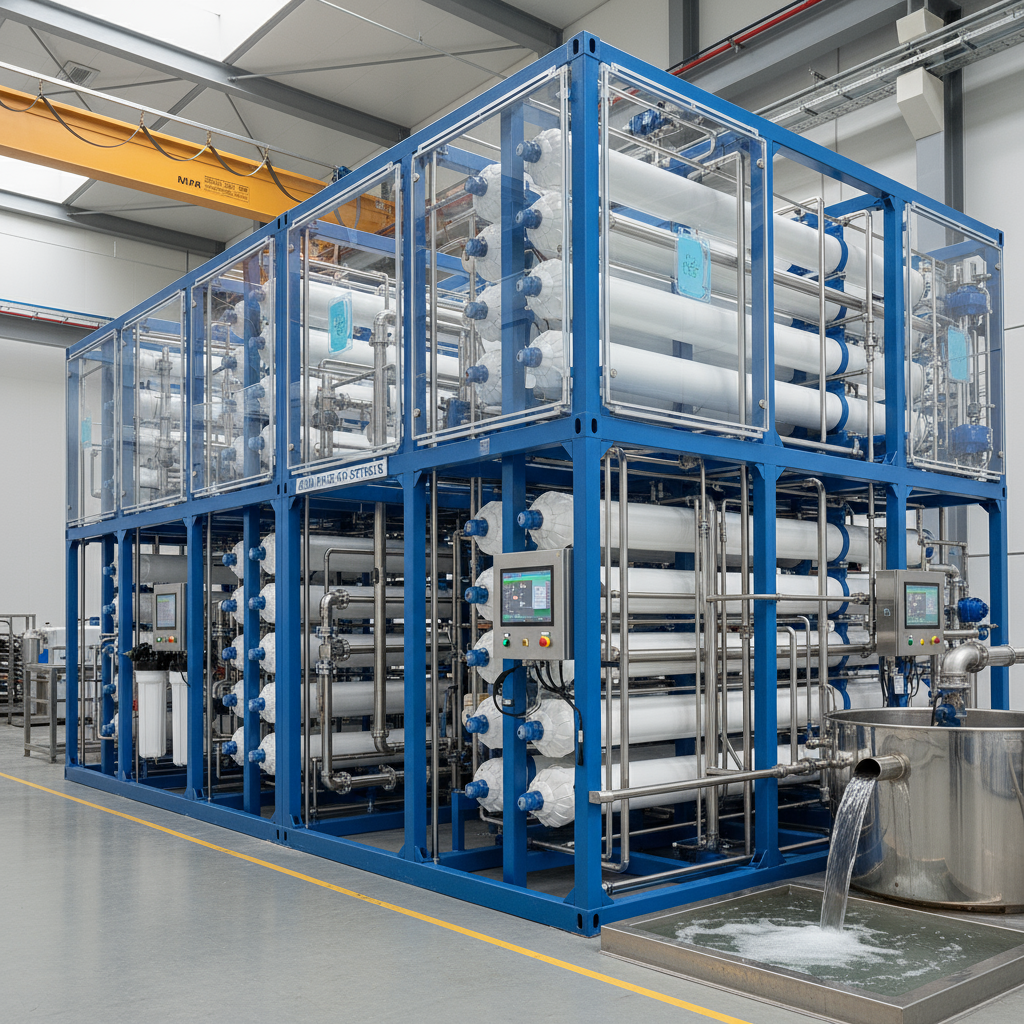
In the rapidly evolving landscape of water treatment, osmosis reverse water purification systems stand out as pivotal technologies serving industrial and commercial sectors globally. These systems underpin processes where water quality is essential—ranging from manufacturing to municipal utilities—ensuring purified water that meets stringent standards. This article offers an in-depth technical overview of core system components, modular equipment options, manufacturing expertise, and diverse application scenarios to guide professionals selecting and deploying these solutions.
Core Technology Modules and Equipment Specifications
1. Reverse Osmosis (RO) Membrane Systems
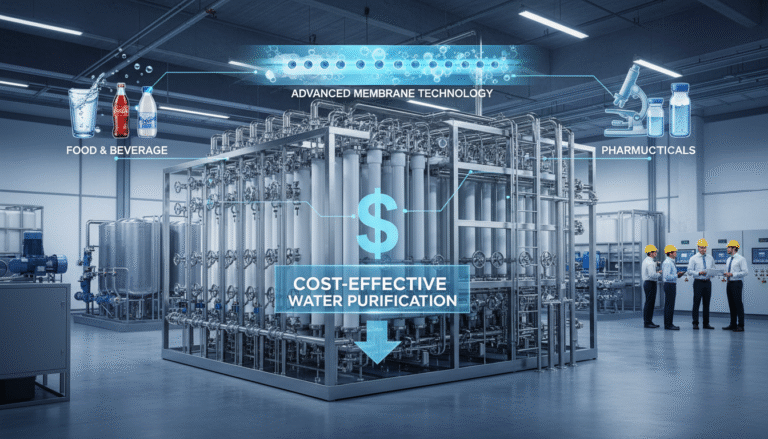
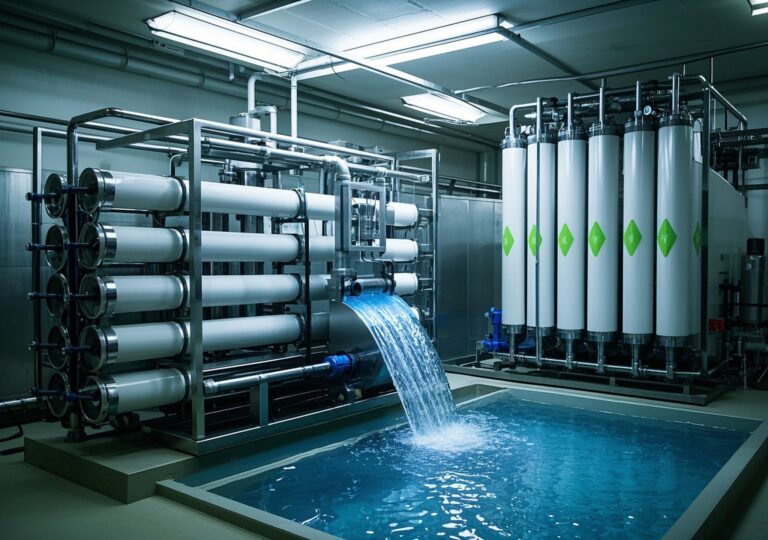
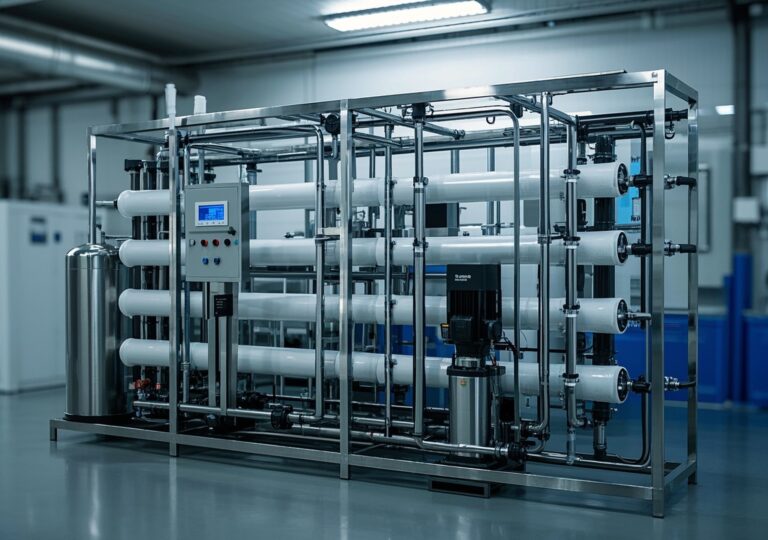
At the heart of osmosis reverse water purification lies the RO membrane, a semipermeable barrier that effectively removes dissolved salts, organic compounds, and particulates. Modern systems boast removal efficiencies exceeding 99% for total dissolved solids (TDS), making them indispensable for hard water and brackish sources.
- Technical Parameters: Operating pressure typically ranges from 4 to 20 bar depending on feedwater salinity; membranes are available in cellulose acetate or thin-film composite configurations.
- Capacity Tiers:
- Small-scale units: 500–3,000 gallons per day (GPD) – ideal for laboratories, small manufacturing units.
- Mid-scale units: 10,000–50,000 GPD – suitable for commercial facilities and mid-tier industrial setups.
- Large-scale units: upwards of 100,000 GPD – designed for municipal treatment plants and heavy industry.
- Application Examples: Food and beverage production, pharmaceutical ingredient preparation, semiconductor manufacturing water supply.
- Performance Advantages: High salt rejection, low energy consumption due to optimized membrane surface area, ease of modular expansion.
2. Filtration and Softening Systems
Pre-RO treatment is crucial for preserving membrane longevity and maintaining system efficacy. Filtration units remove suspended solids and turbidity, while softening systems reduce hardness ions (e.g., calcium and magnesium) through ion exchange or chemical dosing.
- Technical Parameters: Multi-media filters achieving turbidity <1 NTU; softeners reducing hardness below 1 ppm.
- Capacity Range: Corresponding to RO system scale, from 1 m3/h for small packages to 100+ m3/h for industrial systems.
- Industry Applications: Boiler feedwater preparation, cooling towers, pre-treatment in textile dyeing.
- System Benefits: Extended membrane lifespan, reduced scaling, improved water taste and color.
3. Containerized and Modular Systems
To address rapid deployment needs and remote site operations, containerized osmosis reverse water purification systems provide plug-and-play capabilities.
- Description: Fully integrated RO plants housed within standard shipping containers, equipped with all necessary pumps, membranes, instrumentation, and control systems.
- Capacity Spectrum: Ranging from 5 m3/day units designed for emergency drinking water supply, up to 500 m3/day units serving isolated communities or offshore facilities.
- Use Cases: Disaster relief operations, military forward operating bases, remote island desalination, and space mission potable water treatment.
- Advantages: Mobility, rapid commissioning, self-contained systems minimize installation complexity.
4. Cleaning and Disinfection Units
Maintaining RO system hygiene requires effective cleaning and sterilization, commonly achieved through automated cleaning-in-place (CIP) systems and ultraviolet (UV) sterilizers.
- Parameters: CIP cycles tailored to foulant type; UV sterilizers operating at 254 nm wavelength for microbial inactivation.
- Application: Prevent biofouling and scaling, ensure compliance with drinking water microbiological standards.
- Impact: Enhanced reliability, prolonged membrane operational cycles, reduced maintenance downtime.
Manufacturing Expertise and Quality Assurance
Leading manufacturers of osmosis reverse water purification systems share decades of sector-specific experience, extrapolating customer feedback into continual design improvements and robust quality controls. Such producers typically comply with ISO 9001 and NSF/ANSI certifications, ensuring materials and components assert longevity and regulatory compliance. Their R&D investments drive innovative membrane materials, intelligent process monitoring, and energy-saving components.
Diverse Application Scenarios
Seawater Desalination
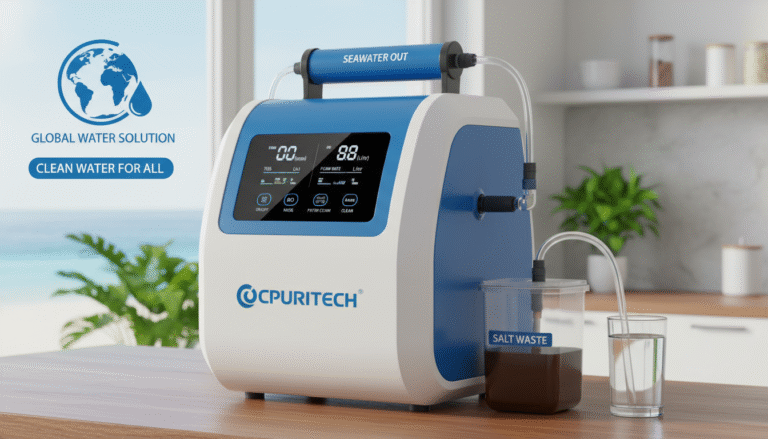
Industrial-scale RO systems are proven for cost-effective seawater desalination, powering urban water supply grids and industrial parks in arid regions. The multi-stage membrane arrays reject the high salinity load, producing potable water meeting regulatory thresholds.
Portable Drinking Water Solutions
Compact, containerized units provide safe drinking water following natural disasters or in undeveloped regions lacking infrastructure. In one project I oversaw, deploying a 20 m3/day containerized system improved local health outcomes by reducing waterborne diseases by 40% within six months.
Specialized Remote Operations
In settings such as offshore oil platforms and research stations, where water resupply is economically challenging, self-contained RO systems ensure continuous clean water. From experience, integrating UV sterilization alongside RO prevents microbial contamination in high-humidity environments.
Summary
Osmosis reverse water purification systems encompass a broad spectrum of modular technologies tailored to varied industrial and commercial demands. Their superior removal efficiency, coupled with scalable designs—from small laboratory units to large containerized plants—ensures adaptable deployment. Insights from industry-leading manufacturers and practical deployment cases underscore their reliability and versatility. As global water quality standards tighten and sustainability gains momentum, these systems are vital to future-proofing water access across sectors.
Referenced Authoritative Sources:
- Grand View Research, Water Treatment Systems Industry Growth
- ResearchAndMarkets.com, Global Water Purifier Market Report (2022 to 2027)