Delivering reliable water treatment in remote and infrastructure-limited areas has always been challenging for industrial projects. From our experience working with industrial water treatment projects, the biggest advantage of containerized RO systems is not simply their compact structure.
Traditional reverse osmosis (RO) systems often require extensive construction efforts, including building equipment houses, laying out pipelines, and executing civil works. This means longer project timelines and higher complexity, particularly in locations like islands, mining zones, or rural areas.
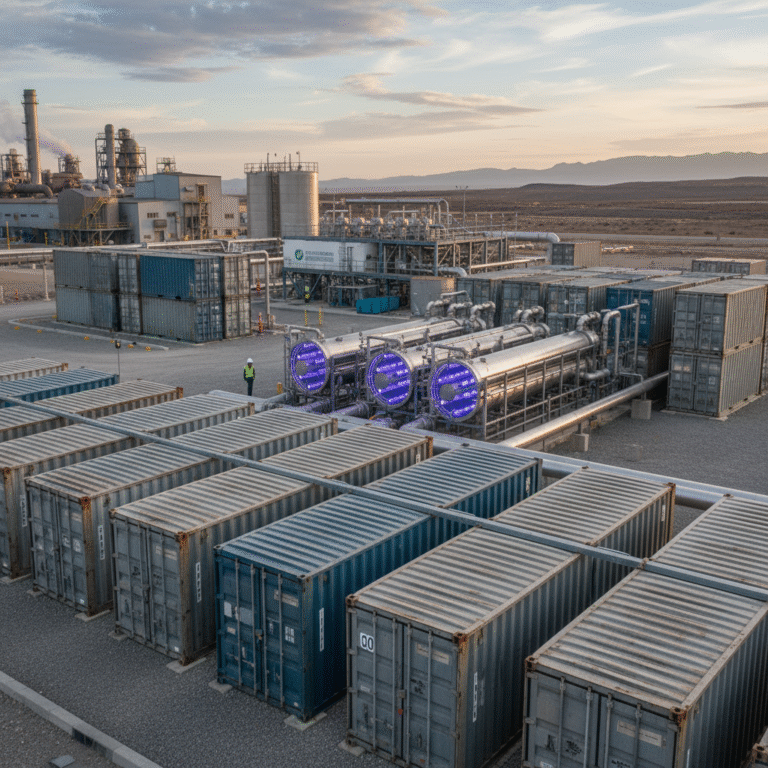
Containerized reverse osmosis (RO) systems are innovative solutions that turn complex water treatment projects into modular, transportable, and easy-to-install systems. These systems significantly reduce setup times and construction needs, making them ideal for remote or urgent water treatment applications.
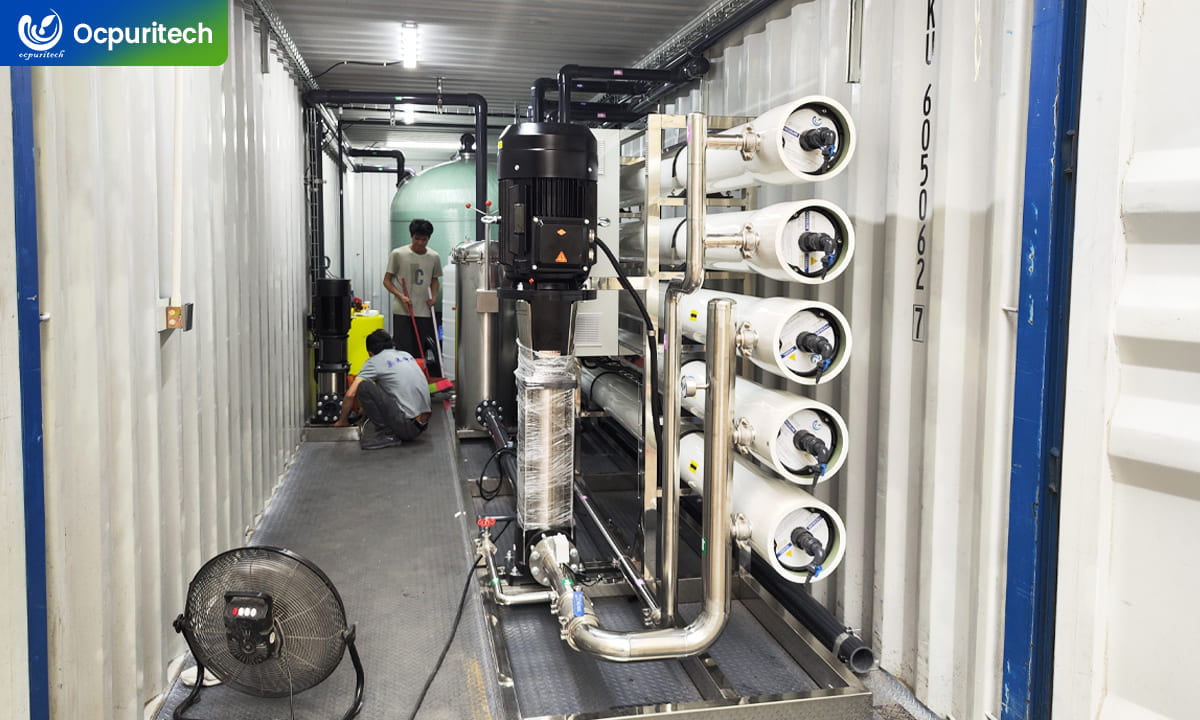
What sets these systems apart is their ability to address unique challenges, such as rapid deployment and adaptability to varying site conditions. Let’s dive into their key applications and advantages.
What Is a Containerized Reverse Osmosis System?
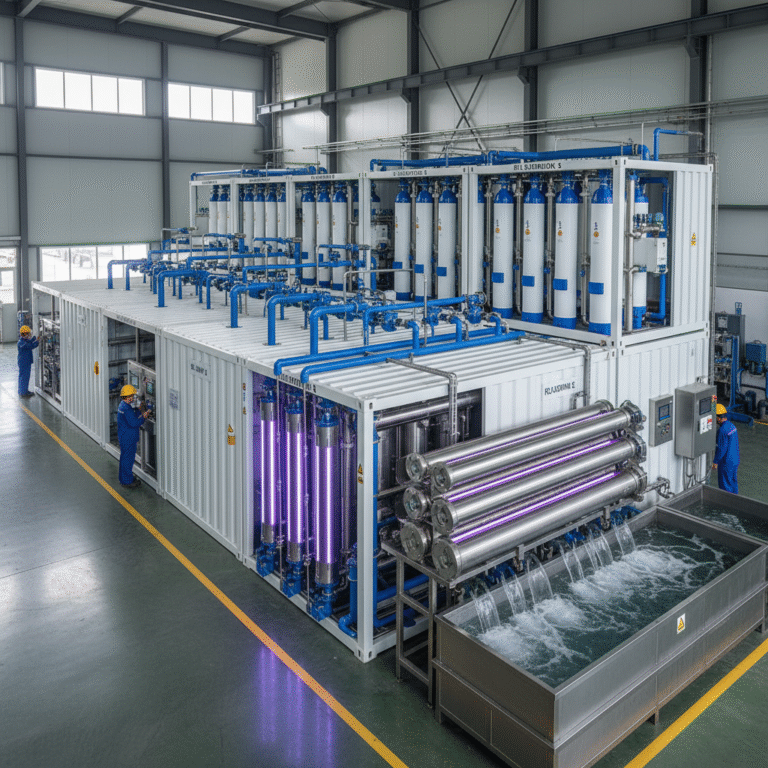
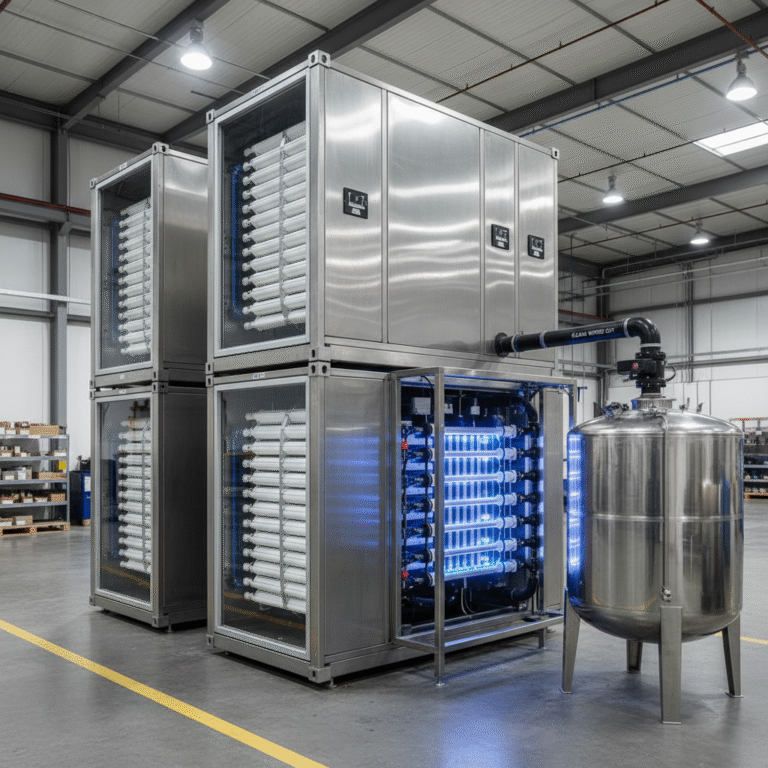
A containerized RO system is a fully integrated water purification plant — pretreatment, high-pressure pumps, reverse osmosis membranes, instrumentation, and controls — assembled and factory-tested inside a standard ISO shipping container (typically 10 ft, 20 ft, or 40 ft). The unit ships as a single, self-contained module. It arrives factory-wet-tested and requires only three connections to begin producing clean water: a water inlet, a power supply, and a discharge line.
That distinction matters: a containerized reverse osmosis unit is not simply an RO skid placed inside a steel box. The real engineering value lies in how the complete system is designed and integrated. From pretreatment selection to membrane configuration and control system design, every component needs to work together based on the raw water characteristics, production requirements, and operating environment. This ensures the containerized RO system can achieve stable performance after deployment, even in remote and challenging locations.
Key Components Inside a Containerized RO Unit
| Subsystem |
Purpose |
| Pretreatment / multimedia filters |
Removes suspended solids, turbidity, and sediment from feed water |
| Cartridge filtration |
Final particulate barrier protecting RO membranes |
| High-pressure pump |
Drives feed water across RO membranes at operating pressure |
| Reverse osmosis membrane |
Rejects dissolved salts, heavy metals, bacteria, and organic contaminants |
| Instrumentation & PLC control panel |
Automated operation, alarm management, and remote monitoring |
| Chemical dosing system |
Antiscalant, pH adjustment, and disinfection dosing |
| CIP cleaning system |
Extends membrane lifespan, reducing replacement costs |
| Recovery optimization devices |
Improve water recovery and reduce unnecessary water loss |
For industrial users, this approach reduces dependency on onsite construction capabilities and allows water treatment capacity to be deployed much faster.
Containerized System vs Traditional RO Plant: Which Solution Is Better?
When selecting a reverse osmosis water treatment solution, many industrial customers compare containerized RO systems with traditional site-built RO plants.
The right choice depends on project requirements, including installation conditions, water demand, future expansion plans, and operating environment.
| Comparison Factor |
Containerized RO System |
Traditional RO Plant |
| Installation Time |
Fast deployment with factory integration and testing completed before delivery |
Longer project cycle due to civil construction and onsite installation |
| Construction Requirements |
Minimal building work required |
Requires dedicated equipment rooms and infrastructure |
| Mobility |
Can be transported and relocated when project conditions change |
Generally designed for permanent installation |
| Quality Control |
Factory assembly improves consistency and reduces installation risks |
Quality depends heavily on onsite construction management |
| Suitable Applications |
Remote areas, temporary projects, industrial sites, emergency water supply |
Large permanent municipal or industrial facilities |
| Expansion Flexibility |
Additional container units can be added easily |
Expansion usually requires more construction work |
| Initial Preparation |
Simple site preparation and utility connections |
Extensive engineering and construction preparation |
From a project management perspective, containerized RO systems provide greater flexibility and faster implementation, especially when infrastructure conditions are limited.
However, traditional RO plants remain a suitable option for large-scale facilities where permanent infrastructure already exists.
The goal is not to replace one technology with another, but to select the system configuration that best matches the actual project requirements.
How Does a Containerized Reverse Osmosis System Work?
A containerized reverse osmosis system follows the same fundamental purification principle as a conventional RO plant, but the difference lies in its integrated modular design.
The entire treatment process is engineered inside a protected container environment, allowing the system to operate independently with minimal onsite infrastructure.
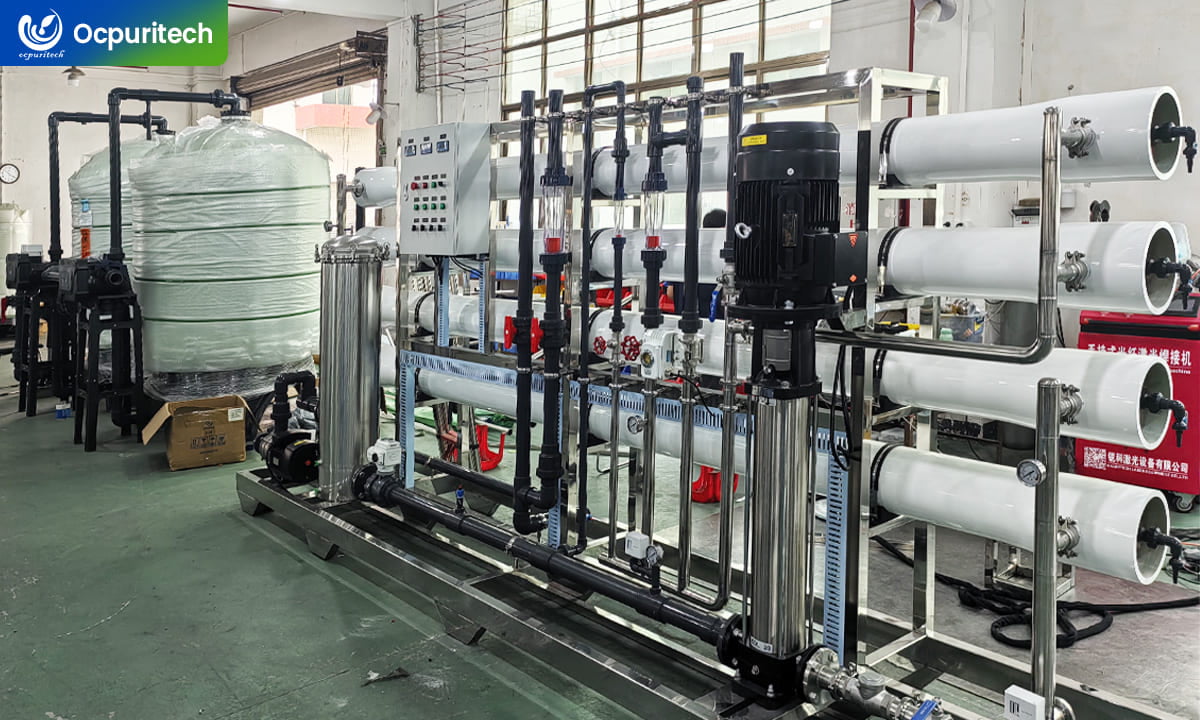
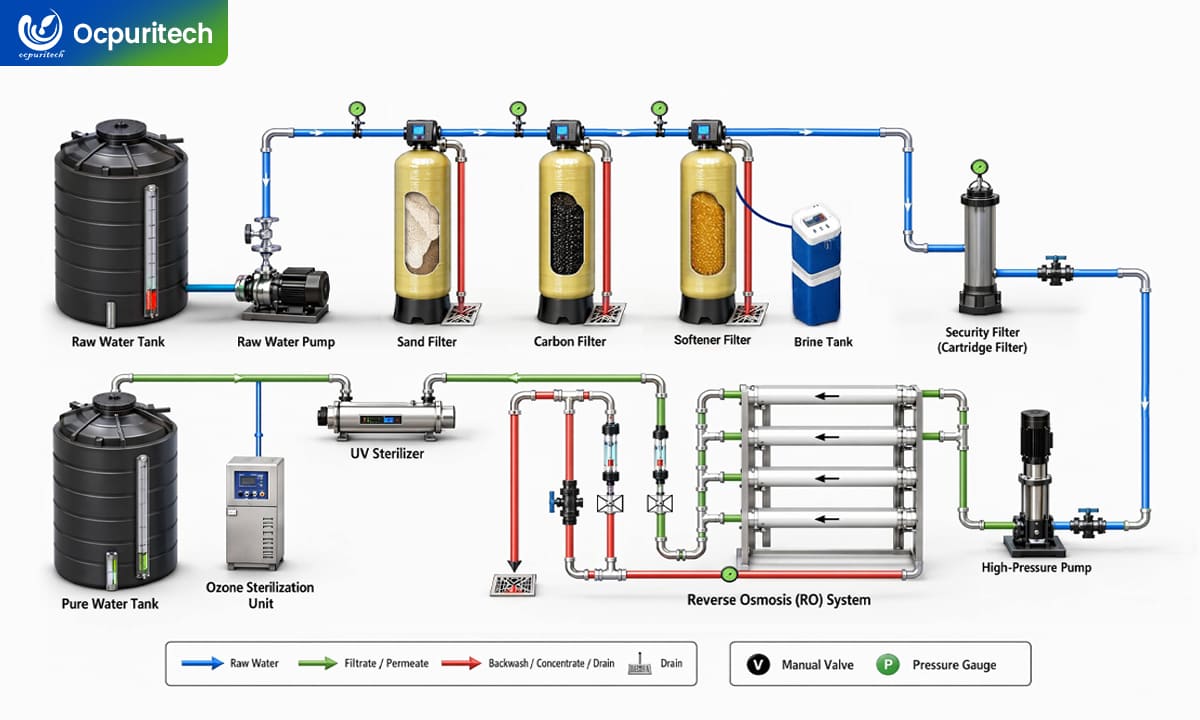
A typical industrial containerized RO system includes several treatment stages:
Stage 1: Raw Water Pretreatment
Pretreatment is one of the most important parts of any reverse osmosis system because membrane performance directly depends on feed water quality. In our experience, many RO system performance issues are not caused by the membrane itself, but by insufficient pretreatment design.
Depending on the raw water source, the pretreatment system may include:
- ■ Multimedia filtration for suspended solids removal
- ■ Activated carbon filtration for organic reduction and chlorine removal
- ■ Ultrafiltration (UF) systems for high turbidity applications
- ■ Chemical dosing systems for pH adjustment and scale control
- ■ Cartridge filtration for final protection before RO membranes
A well-designed pretreatment system extends membrane lifespan. It also reduces maintenance frequency and improves overall system reliability.
Stage 2: High-Pressure Reverse Osmosis Process
After pretreatment, the feed water enters the high-pressure RO system. The high-pressure pump elevates water pressure beyond natural osmotic pressure, allowing water molecules to pass through a semipermeable membrane while retaining dissolved salts (with a desalination rate of 99.0–99.7%), heavy metals, bacteria, and other organic pollutants.
The result is purified water suitable for industrial processes, drinking water supply, or other applications depending on the treatment requirements.
For seawater applications, containerized seawater reverse osmosis systems are commonly equipped with high-rejection membranes and energy recovery devices to reduce power consumption.
Stage 3. Automatic Control and Monitoring
Modern containerized RO systemsoperate automatically with reduced operator intervention. Integrated PLC control systems can monitor and manage:
- Feed water pressure and RO operating pressure
- Flow rates of feed water, permeate, and concentrate
- Feed water and product water conductivity
- High-pressure pump operation
- Automatic membrane flushing cycles
- Tank level control
- System alarms and protection functions
Instead of requiring constant manual supervision, the system can maintain stable operation while reducing operational complexity.
Containerized RO System Specifications: Key Parameters to Define
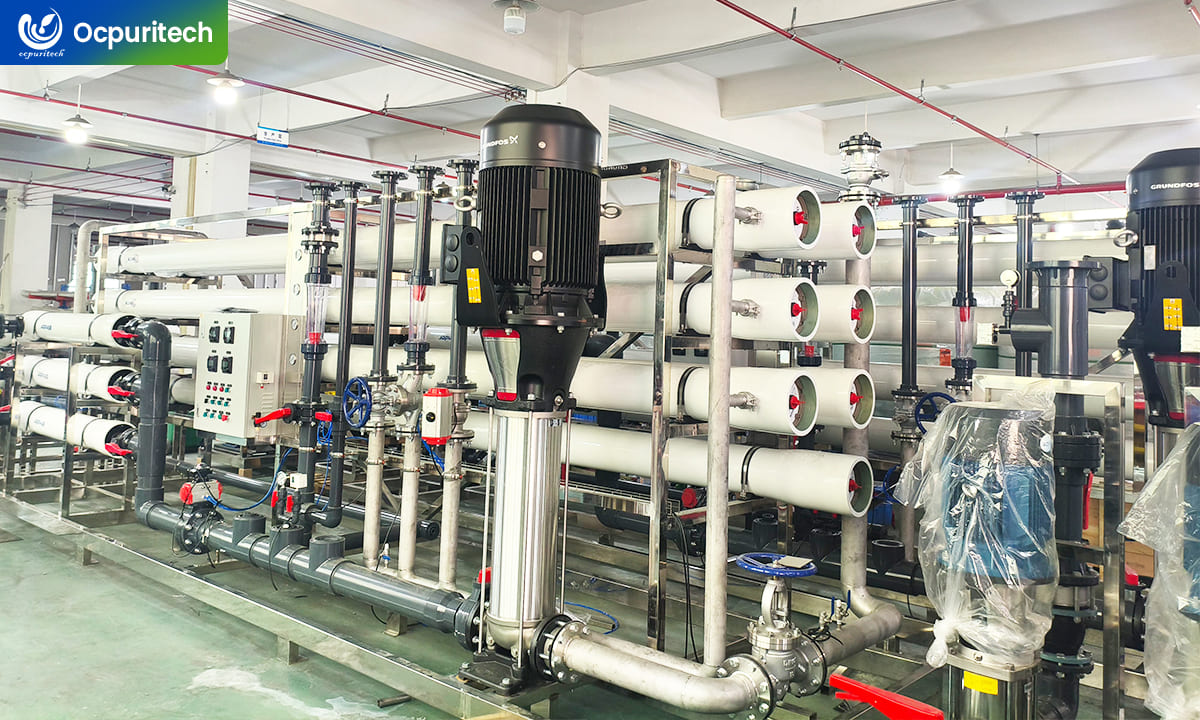
When specifying or requesting quotations for a containerized reverse osmosis system, the following parameters are essential to define clearly:
| Parameter |
Typical Range / Options |
| Container size |
10 ft / 20 ft / 40 ft ISO standard |
| Feed water type |
Groundwater / brackish / seawater / surface water / wastewater effluent |
| Feed water |
From lab or field test (critical for membrane selection) |
| TDS Product water capacity |
m³/day or m³/h at design conditions |
| Product water quality |
Target TDS, conductivity, or specific ion limits |
| Recovery rate |
Typically 50–85% for brackish; 35–50% for seawater |
| Power supply |
Grid / diesel generator / solar hybrid; available voltage and frequency |
| Operating environment |
Ambient temperature range, humidity, altitude, UV exposure, seismic zone |
| Control & monitoring |
Local PLC panel / remote SCADA / data logging requirements |
| Certifications |
NSF/ANSI 61, CE, WRAS, or applicable standards for the destination market |
Providing complete specification inputs at the outset of the procurement process is the single most effective step buyers can take to receive accurate proposals and avoid costly change orders during delivery.
Main Applications of Containerized Reverse Osmosis RO Systems
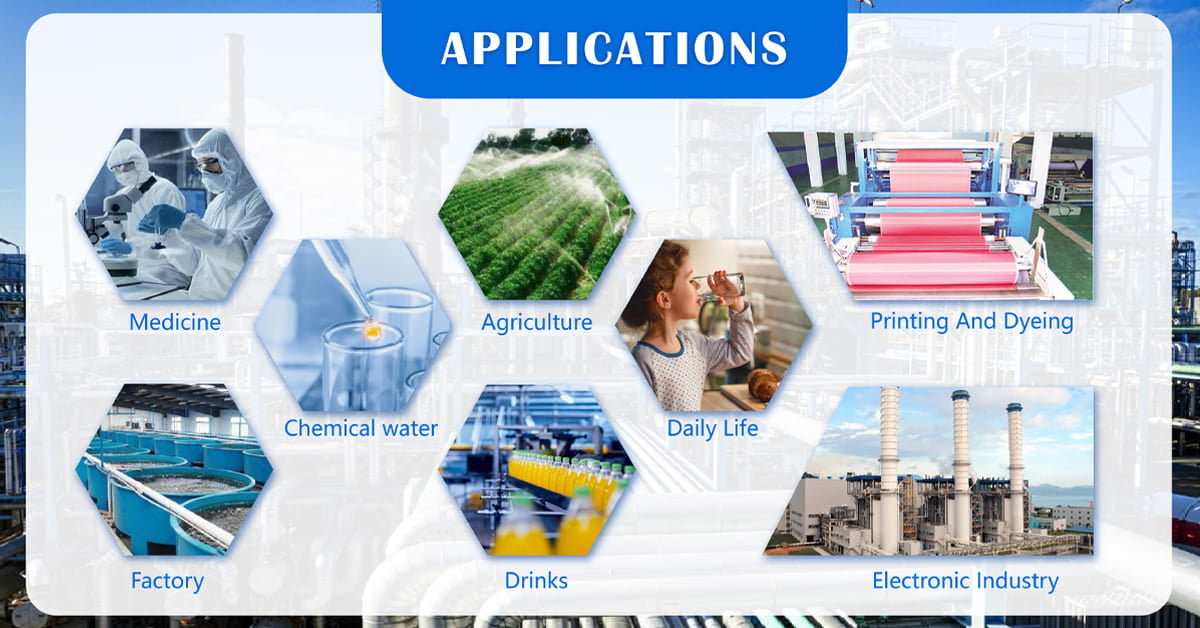
Containerized reverse osmosis systems are not a universal replacement for large fixed water treatment plants. In many cases, they work as mobile water treatment plants that can be rapidly deployed to locations where permanent infrastructure is unavailable. Their engineering and economic advantages are sharpest in specific project profiles:
Mining & Resource Extraction Operations Water Supply
Mining, oil and gas, and industrial processing projects are often located far from urban water networks. Its mobility allows companies to deploy water treatment equipment wherever operations require.
Brackish or Seawater Desalination Projects
Coastal areas and islands often face freshwater shortages despite having abundant seawater resources. Compared with large fixed desalination plants, modular container systems can be deployed faster and adapted to smaller-scale water demand.
Rural & Community Drinking Water Project
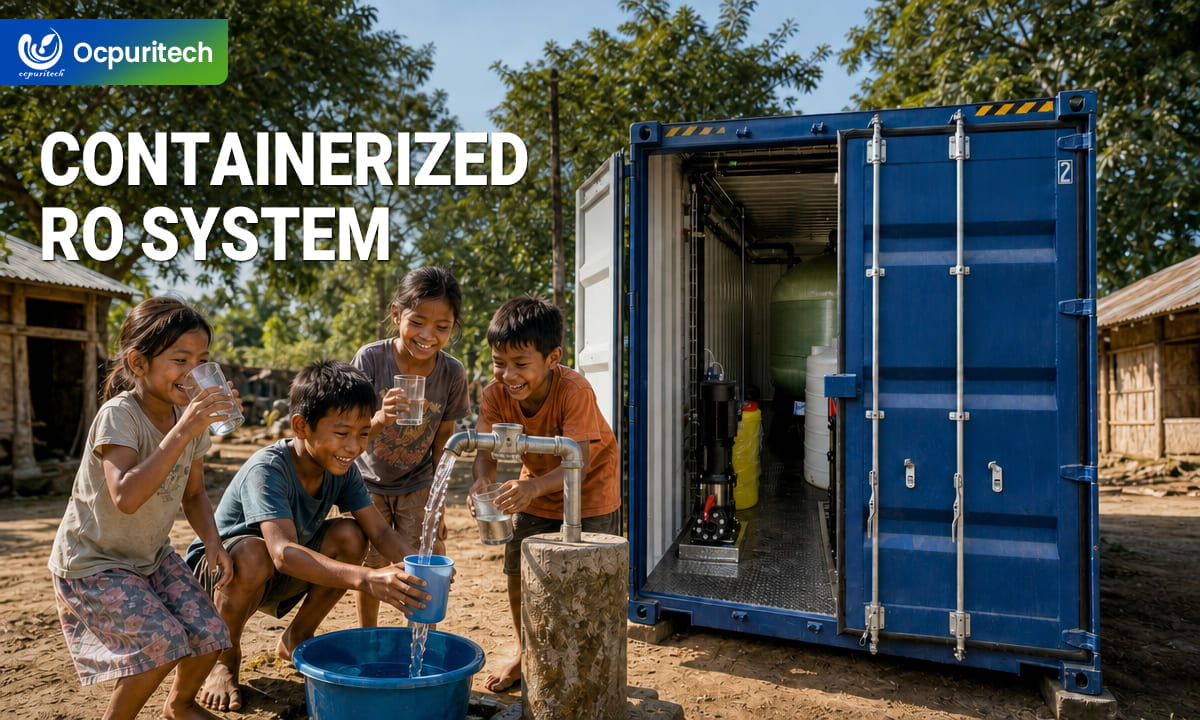
Many rural communities lack reliable access to safe drinking water due to limited infrastructure. This makes them suitable for schools, villages, and public facilities located in remote areas.
Industrial Process Water Production
This makes them particularly suitable for factories, temporary industrial projects, and facilities located in areas where existing water infrastructure cannot meet operational requirements.
Case Study: 10 Ton/Hour Containerized RO System for a South African School
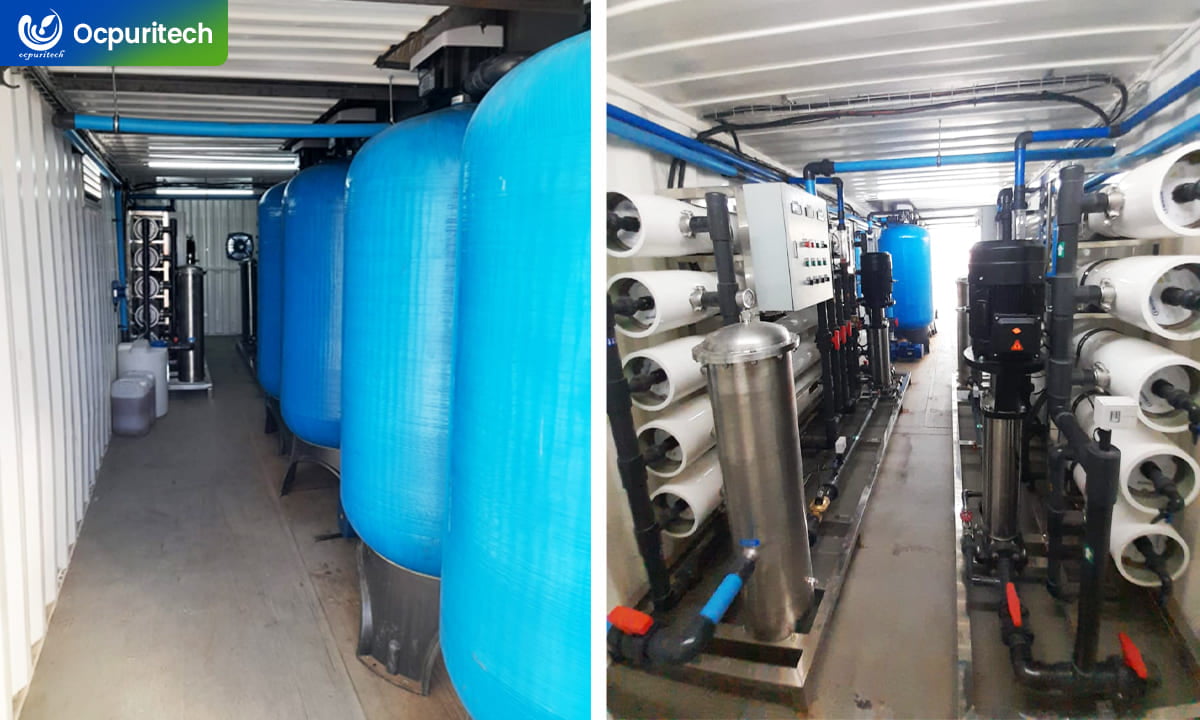
A practical example of our containerized RO technology is a drinking water project we completed for a remote school in South Africa. The groundwater source had a TDS below 2,000 ppm. The project delivered a reliable, safe drinking water supply — resolving a long-standing water security challenge.
Why a Conventional RO Plant Was Not an Option
The local challenge was not simply water shortage. The bigger issue was the lack of suitable water treatment infrastructure. The school faced several difficulties:
- ■ Limited existing water treatment facilities
- ■ Groundwater quality below drinking water standards
- ■ Weak local infrastructure with little room for large-scale construction
- ■ Urgent need for safe daily drinking water
A conventional RO plant would have required equipment buildings, piping systems, and complex onsite installation. None of these were feasible at this location.
Engineering a Complete System Inside One Container
To address these challenges, we provided a 10 ton per hour containerized reverse osmosis system designed specifically for the project conditions. The complete system was integrated inside a standard container, including:
- ■ Pretreatment equipment: Sand filter, activated carbon filter, and softener
- ■ RO purification units: 8040 RO membranes × 10 pcs
- ■ Control system: Electrical box control panel
- ■ Electrical: 380V, 50Hz, 1-phase
From Factory Test to Full Operation in Days
Before shipping, we assembled, tested, and commissioned the system at the factory. Onsite, the team needed only basic water and electrical connections. The system entered operation quickly.
It was not only a smaller water treatment system. The real value is providing a complete engineering solution that reduced construction requirements, shortened deployment time, and improved reliability in a challenging environment.
Why Choose Ocpuritech as Your Containerized RO System Manufacturer?
Ocpuritech focuses on designing and manufacturing customized containerized water treatment systems for industrial and commercial applications. Choosing a containerized RO system supplier is not only about purchasing equipment.
We understand that every project has different requirements. A successful containerized RO solution must consider not only water production capacity but also local conditions, energy availability, environmental challenges, and future operating requirements.
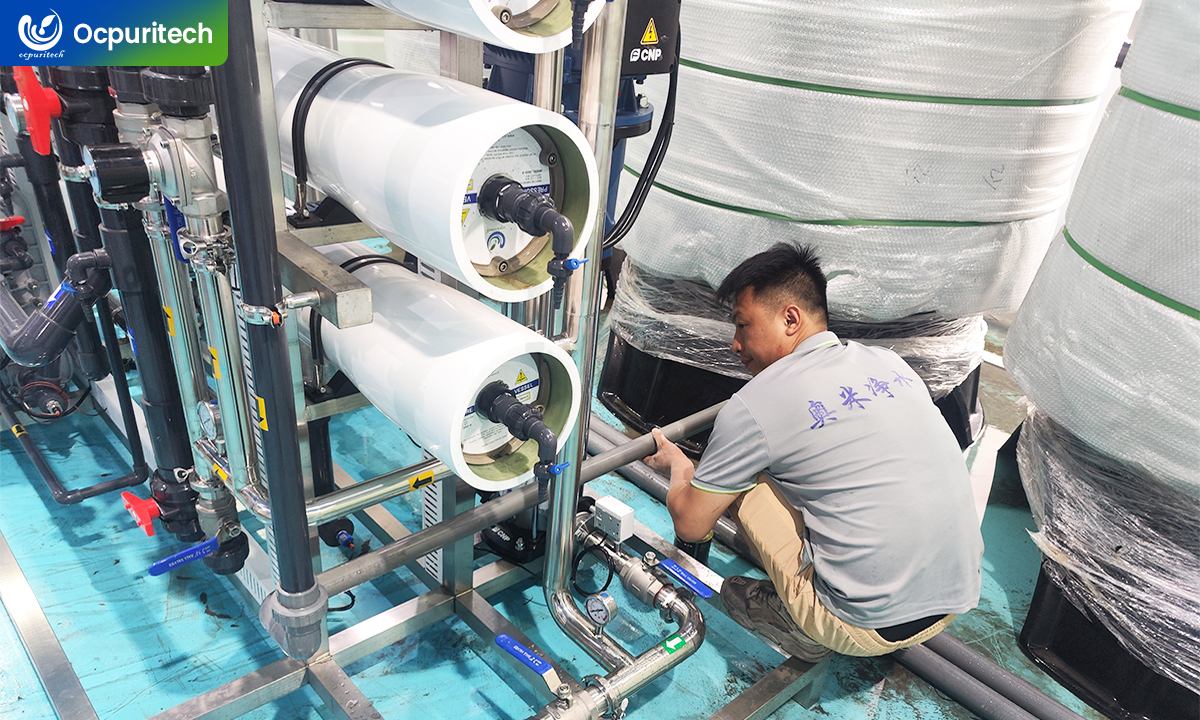
Our containerized RO systems are engineered with:
- ■ Modular design for flexible deployment
- ■ Factory assembly and testing before shipment
- ■ Industrial-grade components
- ■ Automated control systems
- ■ Customized pretreatment solutions
- ■ Protection for harsh operating environments
From remote drinking water projects to industrial water supply applications, we work with customers to develop complete solutions rather than simply providing standalone equipment.
Our experience with projects such as the South African 10 ton/hour containerized RO system demonstrates the importance of combining manufacturing capability with engineering expertise.
The goal is not only to deliver a water treatment unit, but to help customers achieve reliable long-term water production with lower project risk.
FAQ
How long does it take to install a containerized RO system on-site?
With an experienced team, basic site preparation (leveling and utility connection) and system commissioning typically take 1–5 days for standard configurations. Every unit undergoes comprehensive testing prior to dispatch.
What is the operating life of a containerized RO system?
A properly maintained containerized RO water treatment system can operate for 15 to 20 years. Consumables (RO membranes, filter media, pump seals) require periodic replacement, depending on feed water quality and operating conditions.
Can containerized RO systems run on solar power?
Yes. Many remotely deployed containerized RO systems are configured for solar-hybrid operation, combining photovoltaic generation, battery storage, and a diesel backup generator to minimize fuel consumption.
How is a containerized RO system maintained in a remote location?
Good system design minimizes the maintenance burden in remote deployments by incorporating automated operation with alarm management (reducing reliance on constant personnel) and facilitating regular consumable replacements to extend equipment service life.
Can a containerized RO system be relocated after installation?
Yes. Relocation capability is one of the defining advantages of containerized systems over fixed-plant alternatives. A containerized RO unit can be drained, disconnected, lifted by crane or forklift, loaded onto standard transport, and reinstalled at a new location.
Conclusion
Ocpuritech designs and manufactures containerized RO systems for industrial, commercial, and remote water treatment projects.
Whether you need a containerized seawater desalination system, industrial RO plant, mobile water treatment plant, or customized modular RO system, our engineering team can help design a solution based on your water source, capacity requirements, and operating environment.
Not sure where to start? pTell us your water source type and daily capacity requirement — our engineers will recommend a system configuration within 24 hours.